
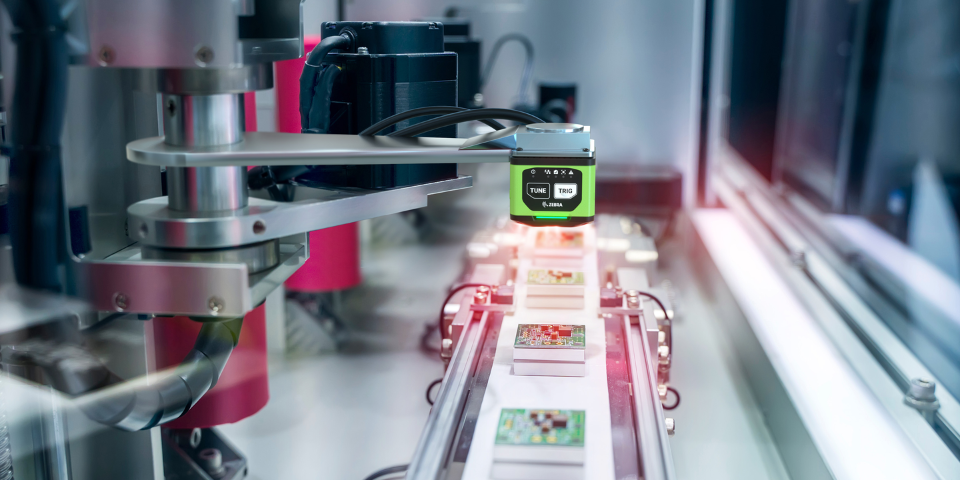
The rapid growth of electric vehicles (EVs) has put unprecedented demands on battery manufacturing, especially in ensuring the safety and reliability of battery cells. One critical aspect is the integrity of welds within battery cells, as even minor defects can lead to performance loss, safety hazards, or costly recalls. To address these challenges, manufacturers are increasingly turning to battery cell weld inspection with AI, leveraging advanced computer vision and machine learning to automate and enhance quality control.
Traditional manual inspection methods are often slow, subjective, and prone to human error. In contrast, AI-powered systems offer consistent, high-speed analysis of welds, enabling manufacturers to detect subtle defects that might otherwise go unnoticed. This shift not only improves product safety but also supports the scalability required for the booming EV market.
For organizations seeking to keep their AI models accurate and effective over time, exploring retraining strategies for ai inspection can be invaluable. Regularly updating and refining AI systems ensures ongoing reliability in battery cell quality checks.
Why Weld Quality Matters in EV Batteries
Battery cells are the heart of every electric vehicle, and their performance depends heavily on the quality of internal connections. Welds join critical components such as tabs, electrodes, and busbars, forming the pathways for electrical current. Poor welds can result in increased resistance, overheating, or even catastrophic failure, posing risks to both the vehicle and its occupants.
The complexity of modern battery designs, combined with the need for lightweight and compact assemblies, makes weld inspection a non-negotiable step in production. As EV adoption accelerates, so does the need for reliable, scalable inspection solutions that can keep pace with high-throughput manufacturing lines.
How AI Transforms Battery Cell Weld Inspection
Integrating battery cell weld inspection with ai into manufacturing lines brings several advantages over conventional approaches. AI-driven vision systems use deep learning algorithms to analyze high-resolution images of welds, identifying anomalies such as cracks, voids, misalignments, and insufficient bonding.
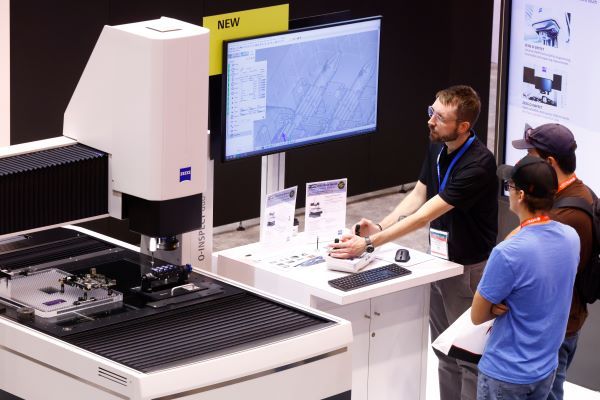
Key benefits of AI-powered weld inspection include:
- Speed and Scalability: Automated systems can inspect thousands of welds per hour, far surpassing manual inspection rates.
- Consistency: AI models apply the same criteria to every weld, reducing variability and subjectivity.
- Early Defect Detection: By catching defects early, manufacturers can prevent faulty cells from reaching assembly, reducing waste and recall risk.
- Data-Driven Insights: Inspection data can be analyzed to identify process trends and root causes of defects, enabling continuous improvement.
Core Technologies Behind AI Weld Inspection
Modern AI inspection systems for battery welds combine several technological components:
- High-Resolution Imaging: Cameras capture detailed images of each weld, often using multiple angles or lighting conditions to reveal hidden flaws.
- Deep Learning Algorithms: Neural networks are trained on large datasets of weld images, learning to distinguish between acceptable and defective welds.
- Edge Computing: Processing is often performed directly on the production line, minimizing latency and enabling real-time feedback.
- Integration with Manufacturing Execution Systems (MES): Results are logged and tracked, supporting traceability and compliance.
For manufacturers facing challenges in sourcing sufficient training data, strategies for overcoming data scarcity in inspection can help ensure robust AI model performance even with limited defect samples.
Challenges and Solutions in Deploying AI for Weld Inspection
While the benefits are clear, implementing battery cell weld inspection with ai is not without its hurdles. Some common challenges include:
- Data Quality and Quantity: Training effective AI models requires large, well-labeled datasets that represent all possible defect types and normal variations.
- Model Drift: Over time, changes in materials, equipment, or processes can reduce AI accuracy. Ongoing retraining and validation are essential.
- Integration Complexity: Retrofitting AI systems into existing production lines may require adjustments to hardware, software, and workflows.
- False Positives/Negatives: Balancing sensitivity and specificity is crucial to avoid unnecessary rework or missed defects.
To address these issues, manufacturers are adopting AI-driven quality control solutions in manufacturing that offer flexible deployment, user-friendly interfaces, and ongoing support for model optimization.
Enhancing Safety and Compliance in EV Manufacturing
The adoption of AI-based weld inspection directly impacts EV safety and regulatory compliance. Automated systems can provide detailed inspection records for every cell, supporting traceability and demonstrating adherence to industry standards. This is particularly important as global regulations around battery safety become more stringent.
By ensuring that only cells with flawless welds proceed to assembly, manufacturers reduce the risk of battery fires, thermal runaway, and other safety incidents. This not only protects end users but also safeguards brand reputation and minimizes costly recalls.

Future Trends: AI Evolution in Battery Manufacturing
As AI technology matures, its role in battery cell inspection will continue to expand. Emerging techniques such as vision transformers for industrial use promise even greater accuracy and adaptability, enabling systems to handle complex defect patterns and new battery designs.
Additionally, the integration of AI inspection data with broader manufacturing analytics will facilitate predictive maintenance, process optimization, and closed-loop quality control. These advancements will help manufacturers stay ahead of evolving safety standards and market demands.
For those interested in how AI is transforming other critical infrastructure, the application of nuclear power plant ai monitoring demonstrates the versatility and impact of these technologies across industries.
FAQ: Battery Cell Weld Inspection and AI
How does AI-based weld inspection differ from traditional methods?
AI-based systems use machine learning models to analyze images of welds, providing objective, high-speed, and consistent evaluations. Traditional methods often rely on manual visual checks, which can be slower and more subjective.
What types of defects can AI detect in battery welds?
AI inspection can identify a wide range of issues, including cracks, voids, incomplete fusion, misalignment, and surface contamination. The system can be trained to recognize both common and rare defect types, improving overall detection rates.
Is it difficult to implement AI inspection in existing battery production lines?
While integration requires careful planning, modern AI inspection solutions are designed to retrofit into existing lines with minimal disruption. Key considerations include camera placement, data connectivity, and ensuring the AI model is trained on representative samples from the specific production environment.
How can manufacturers ensure their AI models remain accurate over time?
Regular retraining with new data, ongoing validation, and monitoring for model drift are essential. Leveraging retraining strategies for ai inspection helps maintain high accuracy as production conditions evolve.
Conclusion
The integration of battery cell weld inspection with ai is reshaping quality assurance in EV battery manufacturing. By automating the detection of weld defects, AI-driven systems enhance safety, support regulatory compliance, and enable manufacturers to meet the demands of a rapidly growing market. As technology advances, these solutions will become even more powerful, supporting the next generation of safe, reliable electric vehicles.