

Manufacturing is undergoing a transformation as digital technologies reshape how quality is managed on the shop floor. Connected factory quality systems are at the heart of this change, enabling real-time monitoring, data-driven decision-making, and seamless integration across production lines. These advanced solutions help manufacturers respond quickly to issues, reduce waste, and maintain high standards, all while supporting continuous improvement initiatives.
By leveraging automation, IoT sensors, and cloud-based analytics, modern quality management platforms deliver actionable insights and tighter process control. This article explores how these systems work, their core benefits, and the key features that set them apart from traditional approaches. We’ll also highlight practical steps for implementation and answer common questions about digital quality management.
For manufacturers seeking to maximize efficiency, integrating OEE monitoring and quality control into their digital infrastructure is a proven strategy. These tools not only track performance but also help pinpoint areas for improvement, making them essential for any smart factory initiative.
What Are Connected Factory Quality Systems?
At their core, these platforms are comprehensive solutions that link machines, sensors, and software to monitor and manage quality across the entire production process. Unlike isolated inspection tools or manual record-keeping, connected systems provide a unified view of quality data, enabling teams to detect issues early and respond proactively.
Key components typically include:
- IoT-enabled devices that collect real-time data on product dimensions, temperature, pressure, and other critical parameters.
- Centralized software for aggregating, analyzing, and visualizing quality metrics from multiple sources.
- Automated alerts and workflows that notify operators or trigger corrective actions when deviations are detected.
- Integration with MES, ERP, and other enterprise systems for end-to-end traceability and reporting.
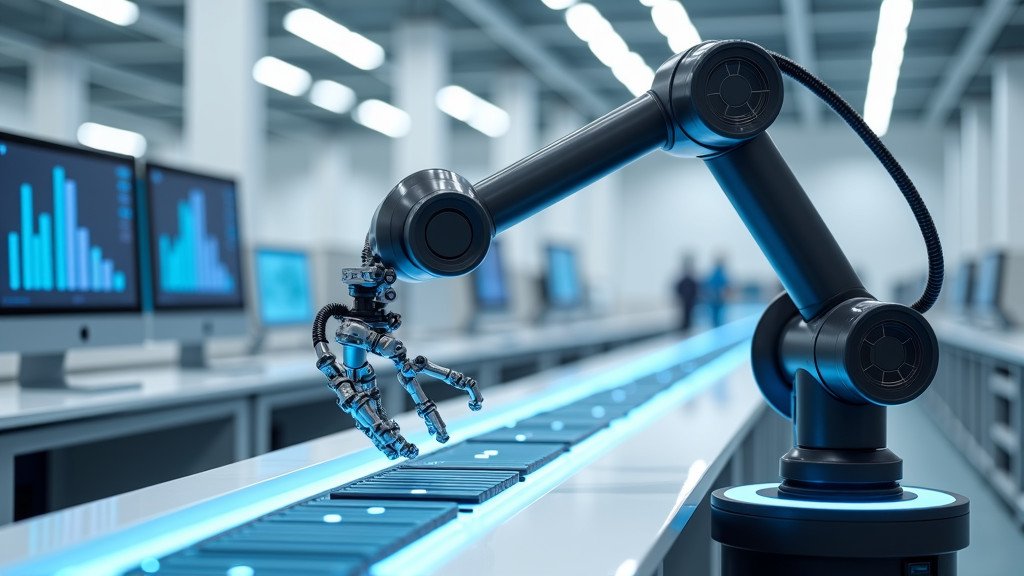
By connecting every stage of production, these systems ensure that quality is monitored continuously, not just at the end of the line. This approach supports a culture of accountability and enables rapid response to potential problems.
Key Benefits of Digital Quality Management
Adopting a connected approach to quality management delivers several tangible advantages for manufacturers:
- Real-time visibility: Operators and managers can monitor performance metrics as they happen, reducing the risk of defects and unplanned downtime.
- Faster root-cause analysis: With all quality data in one place, teams can quickly identify trends and trace issues back to their source.
- Reduced manual effort: Automated data collection and reporting eliminate the need for paper records and manual inspections, freeing up staff for higher-value tasks.
- Continuous improvement: Historical data supports ongoing process optimization, helping manufacturers achieve higher yields and lower costs.
- Regulatory compliance: Digital records make it easier to demonstrate compliance with industry standards and customer requirements.
For those focused on minimizing downtime, strategies outlined in downtime reduction through quality monitoring can be seamlessly integrated with connected quality systems, further boosting productivity.
Core Features of Smart Quality Platforms
Modern quality management platforms offer a range of features designed to support the needs of today’s manufacturers. Some of the most impactful include:
- Automated inspections: Cameras and sensors perform in-line checks, flagging defects instantly and reducing reliance on manual inspection.
- Customizable dashboards: Visualize key metrics, such as defect rates, process capability, and yield, in real time.
- Advanced analytics: Machine learning algorithms can predict quality issues before they occur, enabling preventive action.
- Mobile access: Operators and managers can view alerts and reports from any device, supporting a more agile workforce.
- Seamless integration: Connect with existing manufacturing systems for a unified data environment.
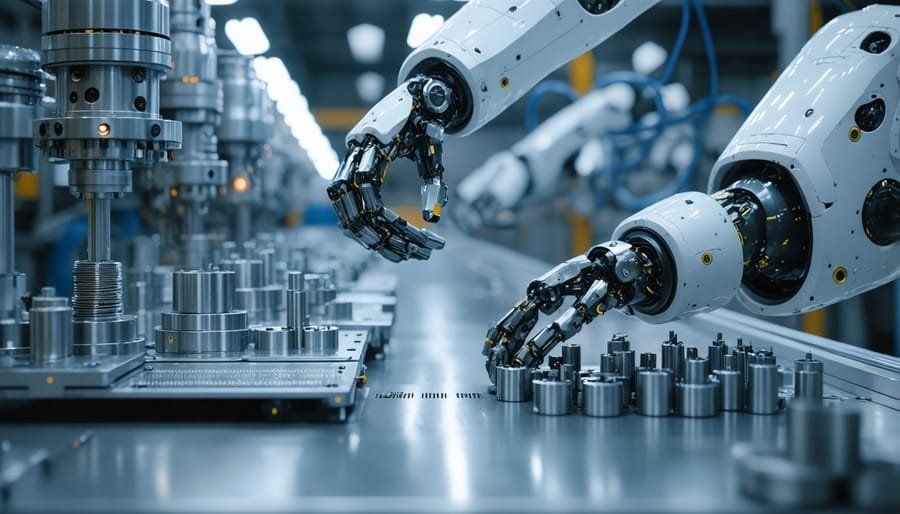
For plants with complex operations, leveraging quality KPI tracking systems can help measure and benchmark performance, supporting data-driven improvement initiatives.
Integrating Quality Systems with Shop Floor Operations
Successful implementation of digital quality management requires more than just technology. It involves aligning people, processes, and systems to ensure that quality data is used effectively at every level of the organization.
Key steps for integration include:
- Assess current processes: Map out existing quality control workflows and identify areas where automation or connectivity can add value.
- Engage stakeholders: Involve operators, engineers, and IT teams early in the process to ensure buy-in and smooth adoption.
- Start small, scale fast: Pilot the system on a single line or process, gather feedback, and expand to other areas as confidence grows.
- Train staff: Provide hands-on training to ensure everyone understands how to use the new tools and interpret the data.
- Monitor and refine: Use insights from the system to drive continuous improvement, adjusting processes as needed to maximize benefits.
For industries with batch production, integrating batch quality monitoring systems ensures consistency and traceability from raw materials to finished goods.
Continuous Monitoring and Predictive Quality
One of the most powerful aspects of connected quality management is the ability to move from reactive to proactive control. By implementing continuous monitoring solutions, manufacturers can detect subtle shifts in process parameters before they lead to defects or downtime.
Predictive analytics, powered by machine learning, can forecast potential quality issues based on historical trends and real-time data. This enables maintenance and quality teams to intervene early, reducing scrap and improving overall equipment effectiveness.
Additionally, integrating these insights with packaging line quality monitoring helps prevent shipping errors and ensures that only products meeting specifications reach customers.
Challenges and Best Practices
While the benefits are clear, implementing a connected quality platform is not without challenges. Common hurdles include:
- Data integration: Bringing together data from legacy equipment and new IoT devices can require custom interfaces and careful planning.
- Change management: Shifting from manual to automated processes may face resistance from staff accustomed to traditional methods.
- Cybersecurity: Connecting shop floor systems to the cloud increases the need for robust security protocols.
Best practices for overcoming these challenges include:
- Choosing scalable, open-architecture platforms that support integration with a wide range of devices and systems.
- Investing in staff training and change management to build a culture of digital quality.
- Working closely with IT and cybersecurity teams to safeguard sensitive production data.
FAQ: Connected Quality Management in Manufacturing
How do connected quality systems improve production efficiency?
By automating data collection and providing real-time feedback, these platforms enable faster detection and correction of quality issues. This reduces scrap, minimizes rework, and helps maintain consistent output, all of which contribute to higher efficiency.
Can these systems be integrated with existing manufacturing equipment?
Yes, most modern platforms are designed to work with both new and legacy equipment. Through the use of IoT gateways, adapters, and open APIs, manufacturers can connect a wide range of machines and sensors to their quality management software.
What role does data analytics play in digital quality management?
Analytics tools process large volumes of quality data to identify trends, predict potential issues, and recommend corrective actions. This supports a proactive approach to quality control and enables continuous improvement across the shop floor.
Are connected quality systems suitable for small and medium manufacturers?
Absolutely. Many solutions are modular and scalable, allowing smaller operations to start with core features and expand as their needs grow. The benefits of improved visibility and reduced manual effort apply to organizations of all sizes.
How do these systems support regulatory compliance?
Digital records and automated traceability make it easier to demonstrate compliance with industry standards and customer requirements. Audit trails, electronic signatures, and secure data storage help ensure that all quality processes are documented and verifiable.