
Modern manufacturing faces constant pressure to increase throughput, reduce waste, and maintain consistent product quality. Continuous production monitoring systems have become essential tools for achieving these goals. By providing real-time visibility into every stage of the production process, these solutions help manufacturers identify inefficiencies, prevent costly downtime, and respond quickly to emerging issues.
As industries move toward digital transformation, the adoption of advanced monitoring technologies is accelerating. These systems collect, analyze, and visualize data from machines, sensors, and other sources, enabling data-driven decision-making. For those seeking to maximize operational efficiency, understanding the core components, benefits, and implementation strategies of continuous monitoring is crucial.
For manufacturers interested in exploring the latest advancements in quality oversight, our overview of next generation quality monitoring systems provides additional insights into how integrated solutions can transform factory operations.
Understanding Real-Time Production Oversight
Continuous production monitoring systems refer to integrated platforms that track and analyze production metrics as they happen. Unlike traditional batch reporting, these systems offer immediate feedback on key performance indicators (KPIs) such as output rates, machine health, energy consumption, and product quality.
The core of these systems typically includes:
- Data acquisition hardware (sensors, PLCs, IoT devices)
- Centralized software for data aggregation and visualization
- Automated alerts and reporting tools
- Integration with manufacturing execution systems (MES) and enterprise resource planning (ERP)
This continuous flow of information empowers plant managers and operators to make timely adjustments, reducing the risk of defects, bottlenecks, and unplanned stoppages.
Key Benefits of Automated Monitoring in Manufacturing
Implementing a robust monitoring solution brings a wide range of advantages to industrial operations. Some of the most impactful benefits include:
- Increased Efficiency: Real-time data enables quick identification and correction of process deviations, minimizing waste and maximizing throughput.
- Reduced Downtime: Predictive analytics and automated alerts help maintenance teams address potential failures before they lead to costly stoppages.
- Enhanced Quality Control: Continuous oversight ensures that quality standards are maintained, reducing the risk of defective products reaching customers.
- Data-Driven Decision Making: Historical and live data support better planning, resource allocation, and process optimization.
- Regulatory Compliance: Automated record-keeping simplifies audits and helps meet industry standards for traceability and reporting.
For a deeper look at how monitoring can directly impact plant performance, see our analysis of OEE monitoring and quality control strategies.
Core Features of Modern Production Monitoring Platforms
Today’s continuous production monitoring systems are far more than simple data loggers. They offer a suite of advanced features designed to support high-efficiency manufacturing, including:
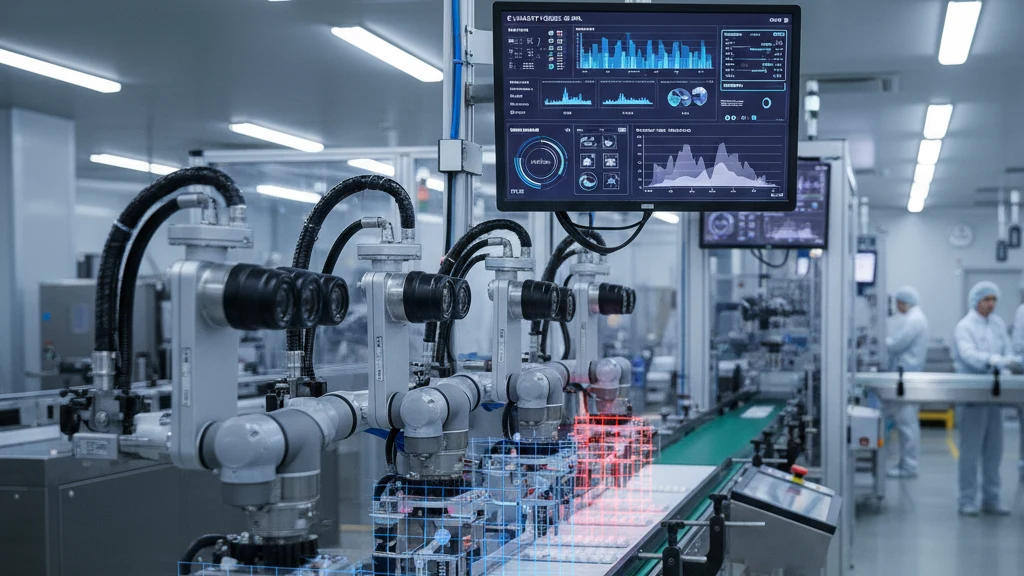
- Customizable Dashboards: Visualize KPIs, trends, and alerts tailored to specific roles or departments.
- Automated Reporting: Generate and distribute detailed reports on production performance, downtime, and quality metrics.
- Integration Capabilities: Seamlessly connect with MES, ERP, and quality management systems for unified data flows.
- Predictive Maintenance: Use machine learning algorithms to forecast equipment failures and schedule proactive interventions.
- Mobile Accessibility: Access real-time data and alerts from any device, supporting remote management and rapid response.
How to Implement a Production Monitoring Solution
Deploying a monitoring platform requires careful planning and collaboration across departments. Here are the main steps to ensure a smooth rollout:
- Define Objectives: Identify the key goals—such as reducing downtime, improving yield, or enhancing traceability—that the system should address.
- Assess Existing Infrastructure: Evaluate current equipment, network capabilities, and data sources to determine integration requirements.
- Select the Right Technology: Choose hardware and software that align with your production environment and scalability needs.
- Plan for Integration: Ensure compatibility with existing MES, ERP, and quality systems to avoid data silos.
- Train Staff: Provide comprehensive training to operators, engineers, and managers on system use and data interpretation.
- Monitor and Optimize: Continuously review system performance and refine processes based on actionable insights.
Manufacturers looking to minimize process disruptions and maximize return on investment should also consider strategies for downtime reduction through quality monitoring.
Common Challenges and Best Practices
While the benefits of automated monitoring are clear, organizations may encounter several challenges during implementation:
- Data Overload: Collecting too much data without clear objectives can overwhelm teams and obscure actionable insights.
- Integration Complexity: Connecting legacy equipment and disparate software platforms can require custom solutions and expert support.
- Change Management: Gaining buy-in from staff and adjusting workflows to leverage new data streams is essential for success.
- Cybersecurity: Protecting sensitive production data from unauthorized access is a growing concern as connectivity increases.
Best practices for overcoming these obstacles include starting with pilot projects, focusing on high-impact KPIs, and fostering a culture of continuous improvement. Leveraging variance detection in manufacturing can also help teams quickly spot anomalies and maintain process stability.
Industry Applications and Use Cases
Continuous production monitoring systems are used across a wide range of industries, each with unique requirements:
- Automotive: Track assembly line performance, detect defects early, and ensure compliance with strict quality standards.
- Pharmaceuticals: Monitor batch consistency, environmental conditions, and equipment status to meet regulatory demands.
- Food & Beverage: Ensure product safety, traceability, and minimize waste in fast-moving production environments.
- Electronics: Oversee high-precision assembly and testing processes to maintain product reliability.
For more on how monitoring supports strategic decision-making, manufacturers should review the most important manufacturing performance indicators to track.
Maximizing ROI with Data-Driven Manufacturing
The true value of real-time monitoring lies in its ability to turn raw data into actionable intelligence. By continuously tracking production metrics, organizations can:
- Identify and eliminate bottlenecks
- Optimize resource allocation
- Reduce scrap and rework
- Improve delivery times and customer satisfaction
According to industry experts, companies that invest in these solutions often see measurable improvements in efficiency and profitability. For a comprehensive overview of the advantages, see this resource on the benefits of real-time production monitoring.
Frequently Asked Questions
What types of data do continuous monitoring platforms collect?
These systems typically gather information on machine status, production counts, cycle times, downtime events, quality metrics, and environmental conditions. Advanced platforms may also capture energy usage, operator inputs, and maintenance activities for a holistic view of operations.
How do these systems help reduce unplanned downtime?
By continuously monitoring equipment health and performance, the system can detect early warning signs of failure—such as abnormal vibration, temperature spikes, or cycle time deviations. Automated alerts enable maintenance teams to address issues before they escalate into major breakdowns.
Can monitoring solutions be integrated with existing factory systems?
Most modern platforms are designed with integration in mind, supporting standard protocols and APIs for seamless connection to MES, ERP, and quality management systems. This ensures unified data flows and avoids the creation of information silos.