

Crack detection in materials is a critical aspect of modern engineering, manufacturing, and infrastructure management. Identifying cracks early helps prevent catastrophic failures, reduces maintenance costs, and ensures the safety and longevity of structures and components. As industries strive for higher quality and reliability, implementing robust inspection methods has become more important than ever.
From bridges and pipelines to aircraft and electronics, undetected cracks can lead to unexpected breakdowns, safety hazards, and significant financial losses. By integrating advanced monitoring and inspection strategies, organizations can proactively address these risks. For manufacturers looking to enhance their quality assurance, exploring OEE monitoring and quality control can complement crack detection efforts and boost overall plant efficiency.
Why Early Identification of Cracks Matters
The presence of cracks, even microscopic ones, can significantly compromise the integrity of materials. Over time, these imperfections may propagate, leading to larger fractures or complete structural failure. Early crack detection in materials enables timely repairs, extends service life, and minimizes the risk of accidents.
Industries such as aerospace, automotive, construction, and energy rely on regular inspections to comply with safety standards and regulations. For example, a small crack in an aircraft wing or a bridge support can have disastrous consequences if left unchecked. By leveraging systematic detection techniques, organizations can ensure compliance and protect both assets and lives.
Common Methods for Detecting Material Cracks
There are several established techniques for identifying cracks in various materials. The choice of method depends on the type of material, the size and location of the crack, and the required sensitivity. Some of the most widely used approaches include:
- Visual Inspection: The simplest method, involving trained inspectors examining surfaces for visible signs of damage. While cost-effective, it may miss subsurface or very fine cracks.
- Ultrasonic Testing (UT): Uses high-frequency sound waves to detect internal flaws. UT is effective for metals, composites, and thick materials, providing precise information about crack depth and orientation.
- Magnetic Particle Inspection (MPI): Suitable for ferromagnetic materials, this method applies a magnetic field and iron particles to reveal surface and near-surface cracks.
- Dye Penetrant Inspection (DPI): A liquid dye is applied to the surface, seeping into cracks and making them visible under ultraviolet light. DPI is ideal for detecting surface-breaking defects in non-porous materials.
- Eddy Current Testing: Employs electromagnetic induction to identify surface and near-surface cracks in conductive materials, commonly used in aerospace and automotive industries.
- X-ray and Computed Tomography (CT): Advanced imaging methods that reveal internal cracks and voids, especially in complex assemblies and critical components.

Integrating Crack Detection with Quality Monitoring Systems
Modern manufacturing environments benefit from integrating crack detection in materials with broader quality monitoring and automation systems. Real-time data collection, automated inspection, and analytics can streamline the identification process and reduce human error.
For instance, automated vision systems equipped with machine learning algorithms can scan products on the production line and flag anomalies instantly. These systems are particularly valuable in high-throughput industries where manual inspection is impractical. Combining crack detection with quality KPI tracking systems allows organizations to measure and improve their processes continuously.
Additionally, integrating detection tools with downtime reduction through quality monitoring strategies can minimize production interruptions and enhance overall efficiency.
Benefits of Automated and Continuous Monitoring
Automated and continuous monitoring solutions offer several advantages over periodic manual inspections:
- Increased Accuracy: Automated systems can detect smaller and more subtle cracks that might be missed by the human eye.
- Higher Throughput: Continuous monitoring enables real-time detection, reducing delays and bottlenecks in production.
- Data-Driven Decisions: Advanced analytics provide actionable insights, supporting predictive maintenance and process optimization.
- Regulatory Compliance: Automated documentation and traceability help meet industry standards and audit requirements.
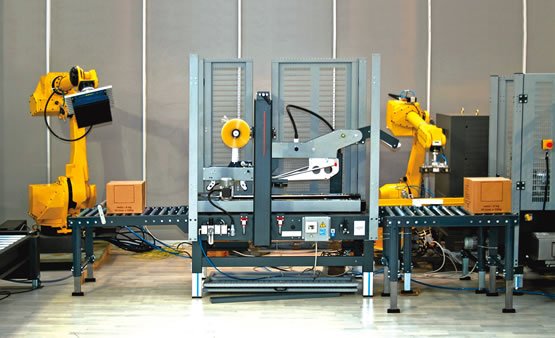
For organizations seeking to implement these solutions, understanding the value of packaging line quality monitoring can also be beneficial, especially in sectors where product integrity during shipping is crucial.
Challenges and Limitations in Crack Detection
Despite technological progress, several challenges persist in the field of crack identification:
- Material Diversity: Different materials (metals, composites, ceramics) require specialized inspection techniques, complicating standardization.
- Access Constraints: Some components are difficult to access or inspect without disassembly, increasing inspection time and cost.
- False Positives/Negatives: Automated systems may occasionally misinterpret surface features, leading to unnecessary interventions or missed defects.
- Training and Expertise: Skilled personnel are essential for interpreting results and maintaining inspection equipment.
To address these challenges, many organizations are turning to continuous monitoring solutions for industrial quality assurance that combine multiple detection methods and leverage advanced analytics.
Emerging Trends and Future Directions
The future of crack detection in materials is closely tied to advancements in automation, artificial intelligence, and sensor technology. Key trends include:
- Machine Learning: AI-powered systems can learn from vast datasets, improving detection accuracy and reducing false alarms over time.
- Remote Sensing: Drones and robotic platforms enable inspections in hazardous or hard-to-reach environments, such as wind turbines and pipelines.
- Internet of Things (IoT): Networked sensors provide continuous, real-time monitoring and alert maintenance teams to emerging issues.
- Integration with Smart Manufacturing: Combining detection data with other quality control metrics supports holistic process optimization and predictive maintenance.
As these technologies mature, the ability to detect and address cracks before they become critical will only improve, helping industries maintain safety, efficiency, and competitiveness.
FAQ: Crack Detection and Structural Integrity
What are the most reliable methods for detecting cracks in metals?
Ultrasonic testing and magnetic particle inspection are among the most reliable methods for identifying cracks in metallic components. Ultrasonic testing is particularly effective for detecting internal flaws, while magnetic particle inspection excels at revealing surface and near-surface cracks in ferromagnetic materials.
How does automated crack detection improve manufacturing quality?
Automated systems increase inspection speed and accuracy, reduce human error, and provide real-time data for process optimization. By integrating crack detection with broader quality monitoring solutions, manufacturers can quickly identify defects, minimize downtime, and ensure consistent product quality.
Can crack detection be applied to non-metallic materials?
Yes, several techniques—such as dye penetrant inspection, ultrasonic testing, and X-ray imaging—are suitable for non-metallic materials like composites, ceramics, and plastics. The choice of method depends on the material properties and the nature of the cracks being targeted.
Conclusion
Effective crack detection in materials is essential for preventing structural failures and ensuring the safety and reliability of products and infrastructure. By adopting a combination of traditional and advanced inspection methods, integrating automated monitoring, and leveraging data-driven insights, organizations can proactively manage risks and maintain high standards of quality. As technology evolves, the future promises even more robust and efficient solutions for safeguarding critical assets.