
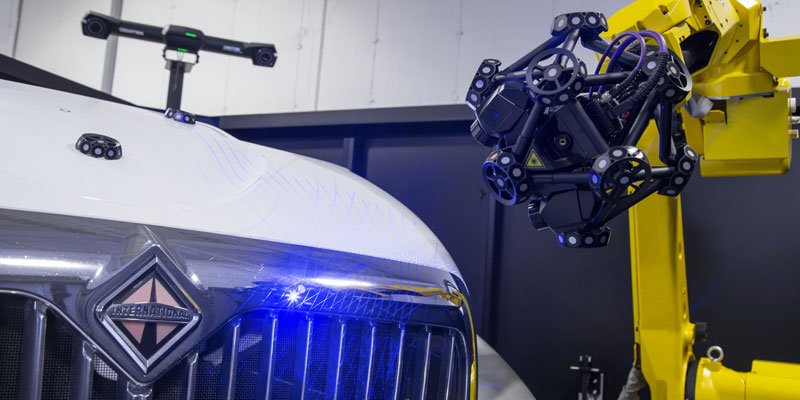
Manufacturing is undergoing a profound transformation as factories embrace data driven quality control systems to enhance efficiency, reduce waste, and ensure consistent product standards. By leveraging real-time data, advanced analytics, and automation, modern facilities can detect issues earlier, respond faster, and continuously improve their processes. This approach is reshaping how quality is monitored and managed across industries, from automotive to electronics and beyond.
As the complexity of manufacturing grows, so does the need for smarter, more adaptive quality assurance. Instead of relying solely on manual inspections or periodic checks, today’s plants are integrating digital tools that provide actionable insights at every stage of production. These systems not only identify defects but also help prevent them by uncovering root causes and enabling predictive interventions.
For organizations aiming to optimize their operations, exploring OEE monitoring and quality control strategies can provide a solid foundation for boosting plant efficiency and minimizing downtime.
How Data-Driven Approaches Transform Quality Assurance
Traditional quality control often relied on sampling, manual checks, and after-the-fact analysis. In contrast, data driven quality control systems harness digital sensors, machine vision, and connected devices to collect vast amounts of information in real time. This data is then processed using algorithms and analytics platforms to spot trends, anomalies, and potential issues before they escalate.
Some of the most significant benefits of these modern systems include:
- Early defect detection: Automated inspection tools can identify deviations from specifications instantly, reducing the risk of defective products reaching customers.
- Continuous improvement: By analyzing historical and live data, manufacturers can uncover patterns, optimize processes, and implement corrective actions proactively.
- Reduced waste and rework: Early intervention minimizes scrap and costly rework, directly impacting the bottom line.
- Enhanced traceability: Digital records make it easier to track quality metrics, comply with regulations, and respond to audits or recalls.

Core Components of Smart Quality Monitoring Solutions
Modern quality assurance platforms are built on a foundation of interconnected technologies. The following components are central to effective data driven quality control systems:
- Sensors and IoT devices: These collect data on temperature, pressure, dimensions, surface finish, and other critical parameters throughout the production line.
- Machine vision systems: Cameras and image processing software automatically inspect products for defects, misalignments, or inconsistencies at high speeds.
- Data analytics platforms: Cloud-based or on-premises solutions aggregate and analyze information, providing dashboards and alerts for operators and managers.
- Automated feedback loops: When issues are detected, the system can trigger immediate adjustments to machinery or processes, reducing human intervention and error.
Integrating these elements creates a closed-loop environment where quality is monitored and managed continuously, not just at the end of the line.
Real-Time Monitoring and Continuous Improvement
One of the defining features of today’s quality control landscape is the shift toward real-time data monitoring. Instead of waiting for post-production reports, teams can now access live dashboards that highlight deviations, bottlenecks, or emerging trends. This enables faster decision-making and supports a culture of ongoing improvement.
For example, implementing quality KPI tracking systems allows organizations to measure and respond to key performance indicators as they happen, rather than after the fact. This proactive approach helps maintain high standards and reduces the likelihood of costly recalls or customer complaints.
Additionally, leveraging continuous monitoring technologies ensures that every stage of production is scrutinized, and any drift from optimal parameters is addressed immediately.

Key Benefits for Manufacturing Operations
Adopting advanced quality management tools brings measurable advantages to factories of all sizes. Some of the most impactful outcomes include:
- Higher product consistency: Automated inspections reduce variability and ensure every item meets specifications.
- Faster response to issues: Real-time alerts allow operators to intervene before minor problems become major disruptions.
- Lower operational costs: Reducing waste, rework, and downtime leads to significant cost savings over time.
- Improved compliance: Digital documentation simplifies regulatory reporting and audit preparation.
- Increased customer satisfaction: Consistently high-quality products build trust and loyalty among clients.
For manufacturers seeking to further minimize disruptions, exploring downtime reduction through quality monitoring can be a valuable next step in their digital transformation journey.
Challenges and Considerations When Implementing Data-Driven Quality Control
While the advantages are clear, transitioning to a fully digital quality assurance model does come with challenges. Some common hurdles include:
- Integration complexity: Connecting legacy equipment with new sensors and software can require significant planning and investment.
- Data management: Handling large volumes of information demands robust storage, security, and analysis capabilities.
- Change management: Employees may need training to adapt to new workflows and technologies.
- Initial costs: Upfront expenses for hardware, software, and integration can be substantial, though long-term savings often offset these investments.
To maximize the return on investment, it’s crucial to start with a clear strategy, pilot projects, and a focus on the most critical pain points. Engaging stakeholders from across the organization ensures smoother adoption and better outcomes.
Best Practices for Maximizing Value from Digital Quality Systems
To fully realize the potential of data driven quality control systems, consider the following best practices:
- Define clear objectives: Identify the most important quality metrics and set measurable goals for improvement.
- Start small and scale: Pilot new technologies on a single line or product before expanding plant-wide.
- Invest in training: Equip staff with the skills needed to interpret data and act on insights.
- Ensure interoperability: Choose platforms that can integrate with existing systems and grow with your needs.
- Review and refine: Regularly assess performance, gather feedback, and update processes to drive continuous improvement.
By following these guidelines, manufacturers can build resilient, future-ready operations that consistently deliver high-quality results.
FAQ: Data-Driven Quality Control in Modern Manufacturing
What are the main differences between traditional and data-driven quality control?
Traditional quality assurance relies heavily on manual inspections and periodic sampling, which can miss subtle defects or process drift. In contrast, digital systems use sensors and analytics to monitor every product in real time, enabling earlier detection of issues and more consistent quality outcomes.
How do machine vision and AI contribute to smarter quality control?
Machine vision systems use cameras and software to inspect products at high speed, identifying defects that may be invisible to the human eye. When combined with AI, these tools can learn from historical data, recognize complex patterns, and suggest process improvements automatically.
What steps should a factory take to begin implementing data-driven quality control?
Start by identifying key pain points or areas with frequent quality issues. Pilot a digital solution—such as automated inspection or KPI tracking—on a small scale, measure the results, and gradually expand. Training staff and ensuring system compatibility are also essential for a smooth rollout.
For more insights on maintaining consistent output, see our guide to batch quality monitoring systems and explore how packaging line quality monitoring can help prevent shipping errors and improve customer satisfaction.