
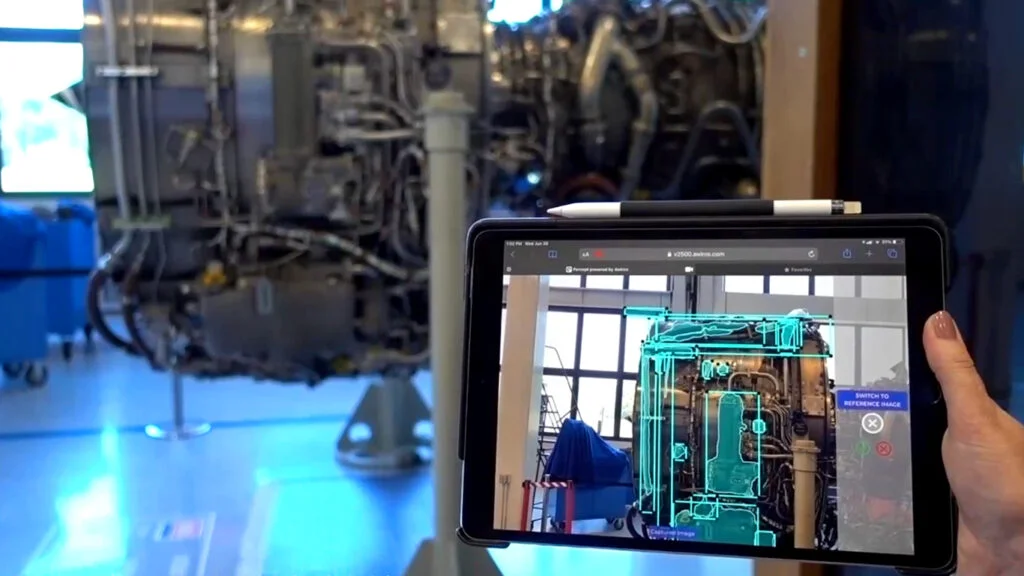
Manufacturing environments demand the highest standards of safety and quality. One of the most persistent challenges is the presence of foreign objects—unintended materials or items that can compromise product integrity, damage equipment, or even endanger workers. As production lines become faster and more complex, traditional inspection methods often struggle to keep up. This is where detecting foreign objects with AI is transforming the landscape, offering a smarter, more reliable approach to safeguarding products and processes.
Artificial intelligence, especially when combined with advanced vision systems, enables manufacturers to identify and remove contaminants or misplaced items in real time. These intelligent systems not only reduce human error but also help maintain compliance with strict industry standards. For organizations looking to enhance their quality control, integrating AI-powered detection is quickly becoming a necessity.
For those interested in related advancements, exploring augmented reality in quality audits can provide additional insights into how digital tools are reshaping inspection and compliance.
How AI Identifies Foreign Objects in Manufacturing
Modern production lines generate vast amounts of visual and sensor data. AI-driven systems leverage this data to spot anomalies that might go unnoticed by human inspectors. These solutions typically use deep learning models trained on thousands of images of both acceptable products and known contaminants. Over time, the system becomes highly adept at distinguishing between normal and abnormal items, even in challenging environments with variable lighting or complex backgrounds.
Key steps in the process include:
- Image Acquisition: High-resolution cameras or sensors capture images of products as they move along the line.
- Preprocessing: Raw images are cleaned and standardized to ensure consistent analysis.
- Object Detection: AI algorithms scan for shapes, colors, or textures that deviate from expected patterns.
- Classification: Detected anomalies are classified as foreign objects or acceptable variations.
- Alert and Action: If a contaminant is found, the system can trigger alarms, halt production, or activate removal mechanisms.

These capabilities make AI-based foreign object detection a powerful asset for industries ranging from food processing to electronics assembly.
Benefits of AI-Driven Detection for Production Safety
Integrating artificial intelligence into inspection processes brings a host of advantages. First and foremost, it significantly improves detection accuracy. Unlike manual checks, which can be inconsistent and fatiguing, AI systems maintain high performance around the clock. This leads to fewer defective products reaching customers and reduces the risk of costly recalls.
Other notable benefits include:
- Speed: AI-powered systems can analyze images in milliseconds, keeping pace with high-speed production lines.
- Consistency: Automated inspection eliminates variability caused by human factors.
- Scalability: Once trained, AI models can be deployed across multiple lines or facilities with minimal adjustment.
- Data-Driven Insights: Continuous monitoring generates valuable data for process improvement and root cause analysis.
For manufacturers seeking to stay competitive, these improvements translate to higher yields, lower costs, and enhanced brand reputation.
Challenges and Considerations in Implementing AI Inspection
While the advantages are clear, deploying AI for foreign object detection is not without challenges. One of the main hurdles is the need for high-quality, representative training data. If the AI model is not exposed to a wide range of possible contaminants and normal variations, its performance may suffer in real-world conditions.
Other considerations include:
- Integration: Ensuring that AI systems work seamlessly with existing production equipment and IT infrastructure.
- Maintenance: Regular updates and retraining are necessary to adapt to changes in products or processes. For more on this, see retraining strategies for AI inspection.
- False Positives/Negatives: Balancing sensitivity and specificity to avoid unnecessary stoppages or missed contaminants.
- Cost: Initial investment in hardware, software, and expertise can be significant, though long-term savings often justify the expense.
Manufacturers must weigh these factors carefully and plan for ongoing support to maximize the value of their AI inspection systems.
Industry Applications and Real-World Examples
The use of AI for foreign object detection is growing rapidly across multiple sectors. In the food industry, for example, AI vision systems can spot plastic, metal, or organic contaminants in packaged goods. In automotive manufacturing, they help ensure that no stray bolts or tools are left inside assemblies. Electronics producers use AI to detect solder splashes or misplaced components that could cause failures down the line.
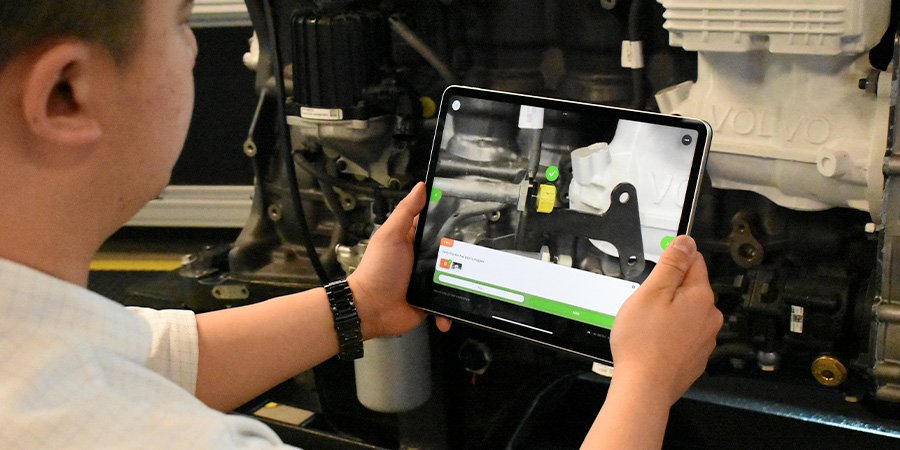
These solutions are often paired with other digital tools, such as wearable AI for manual inspection support, to create a comprehensive quality assurance ecosystem. As technology advances, expect to see even more sophisticated applications, including the use of vision transformers for industrial use that can handle increasingly complex inspection tasks.
Best Practices for Adopting AI-Based Foreign Object Detection
To ensure a successful transition to AI-powered inspection, manufacturers should follow several best practices:
- Start with a Pilot: Test AI detection on a single line or product to evaluate performance and identify integration challenges.
- Gather Quality Data: Invest in collecting diverse, high-quality images of both normal and abnormal conditions for training.
- Collaborate with Experts: Work with AI specialists and domain experts to design, deploy, and maintain the system.
- Monitor and Improve: Continuously monitor system performance and update models as needed to address new threats or changes in production.
- Educate Staff: Train operators and quality teams to understand the capabilities and limitations of AI inspection.
By following these steps, organizations can maximize the benefits of detecting foreign objects with AI and create safer, more efficient production environments.
Future Trends in AI-Driven Inspection
The future of quality assurance is increasingly digital. Advances in machine learning, sensor technology, and edge computing are making AI inspection systems faster, more accurate, and more affordable. One emerging trend is the use of augmented reality overlays to help workers visualize inspection results in real time, further bridging the gap between human expertise and machine intelligence.
Additionally, ongoing research into hyperparameter tuning for inspection models promises to unlock even greater performance from AI systems. As these technologies mature, manufacturers will be able to detect even the smallest or most unusual contaminants, setting new standards for safety and quality.
For a broader perspective on the benefits of AI in quality assurance, see this in-depth overview of AI’s impact on quality assurance.
Frequently Asked Questions
How accurate are AI systems at detecting foreign objects?
AI-powered inspection systems can achieve very high accuracy, often surpassing traditional manual methods. Their performance depends on the quality of training data, the complexity of the production environment, and ongoing system maintenance. With proper setup, these systems can reliably identify even small or subtle contaminants.
What types of foreign objects can AI detect?
AI systems can be trained to detect a wide range of contaminants, including plastics, metals, glass, organic matter, and even misplaced tools or parts. The key is providing the system with enough representative examples during training to recognize each type of threat.
Is it difficult to integrate AI inspection with existing production lines?
Integration complexity varies depending on the production setup and the chosen AI solution. Many modern systems are designed for compatibility with standard industrial equipment and can be retrofitted with minimal disruption. Collaboration with experienced vendors and IT teams helps ensure a smooth implementation.