
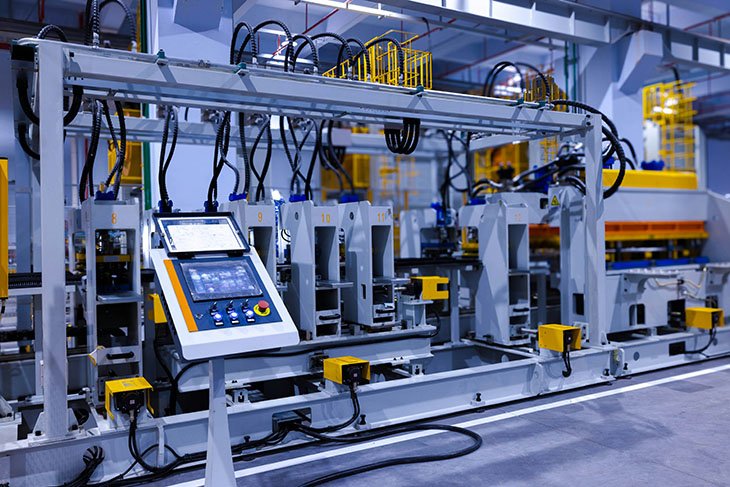
Edge computing in quality control is rapidly transforming how manufacturers detect defects, optimize processes, and ensure product consistency. By moving data processing closer to production lines, companies can identify issues in real time and react faster than ever before. This guide explores how these technologies are reshaping quality assurance, the benefits they bring, and practical considerations for implementation.
As factories become more automated and data-driven, the need for instant, reliable inspection grows. Traditional cloud-based systems often introduce delays due to data transfer and centralized processing. In contrast, edge solutions analyze data directly on the factory floor, enabling immediate feedback and minimizing costly downtime. For those interested in broader advancements, next generation quality monitoring systems offer further insights into the future of manufacturing oversight.
How Edge Technology Accelerates Defect Detection
At its core, edge computing refers to processing data at or near the source of data generation, rather than sending everything to a remote server. In the context of quality control, this means that inspection cameras, sensors, and AI algorithms are deployed directly on the production line. These systems can instantly analyze images or sensor readings, flagging defective products before they continue down the line.
The speed advantage is significant. By eliminating the round-trip to the cloud, manufacturers can reduce latency from seconds to milliseconds. This enables real-time rejection of faulty items, adjustment of machine parameters, and prevention of defective batches. The result is not only higher product quality but also reduced waste and improved operational efficiency.
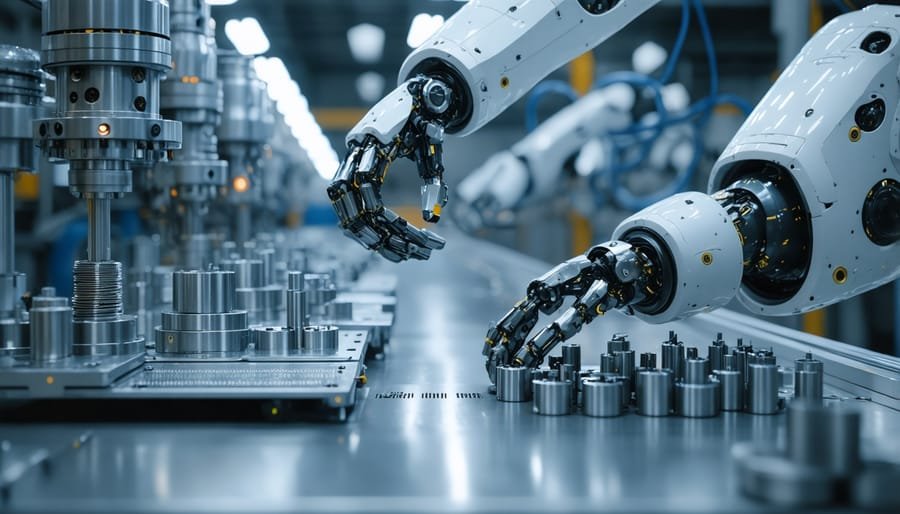
Key Benefits of Edge Computing for Quality Assurance
Adopting edge-based inspection systems offers several distinct advantages for manufacturers:
- Real-time decision making: Immediate analysis allows for on-the-spot rejection of defective parts, reducing the risk of faulty products reaching customers.
- Reduced network dependency: Since most processing happens locally, production is less affected by network outages or bandwidth limitations.
- Enhanced data privacy: Sensitive production data can be processed and stored on-site, minimizing exposure to external threats.
- Lower operational costs: By catching defects earlier, companies can reduce scrap, rework, and warranty claims.
- Scalability: Edge solutions can be deployed incrementally, making it easier to upgrade existing lines without major overhauls.
These benefits align closely with the goals of modern manufacturing, where efficiency, flexibility, and quality are paramount. For those tracking performance, integrating edge-based inspection with manufacturing performance indicators can provide a comprehensive view of plant health.
Integrating Edge Solutions with Existing Quality Systems
Many factories already use a variety of quality control tools, from manual inspections to automated vision systems. Integrating edge computing into these environments requires careful planning. The most successful implementations typically follow these steps:
- Assessment: Identify critical control points where rapid defect detection will have the most impact.
- Hardware selection: Choose edge devices (such as industrial PCs, smart cameras, or embedded AI modules) that can withstand factory conditions.
- Software deployment: Install AI models or rule-based algorithms tailored to specific inspection tasks.
- Connectivity: Ensure seamless communication between edge devices, central databases, and plant management systems.
- Continuous improvement: Use feedback from edge analytics to refine inspection criteria and adapt to new defect types.
For a deeper dive into how these integrations can boost efficiency, see the discussion on OEE monitoring and quality control.

Challenges and Considerations in Edge-Based Inspection
While the advantages are clear, deploying edge computing for inspection is not without challenges. Manufacturers must address several factors to ensure success:
- Hardware reliability: Edge devices must operate continuously in harsh industrial environments. Dust, vibration, and temperature fluctuations can impact performance.
- Model accuracy: AI-based inspection relies on well-trained models. Poorly calibrated algorithms may miss subtle defects or generate false positives.
- Maintenance: Regular updates and monitoring are needed to keep edge systems performing optimally.
- Integration complexity: Connecting new edge solutions with legacy equipment and software can be complex and may require custom interfaces.
Despite these hurdles, the long-term gains in efficiency and quality often justify the investment. Manufacturers can also leverage edge analytics to support quality KPI tracking systems, providing actionable insights for continuous improvement.
Real-World Applications and Industry Examples
Edge-powered quality control is being adopted across a range of industries. In automotive manufacturing, smart cameras equipped with AI can instantly detect paint defects or misaligned components. In food processing, edge sensors monitor color, texture, and packaging integrity, ensuring only compliant products reach consumers. Electronics assembly lines use edge analytics to catch soldering errors or missing parts before final testing.
These applications demonstrate the versatility of edge solutions. By tailoring inspection algorithms to specific production needs, manufacturers can achieve both speed and precision. For more on proactive management, real-time monitoring for proactive quality management provides valuable context on the broader benefits of immediate data analysis.
Best Practices for Implementing Edge Computing in Inspection
To maximize the value of edge-based quality control, manufacturers should consider the following best practices:
- Start with pilot projects: Test edge solutions on a single line or process before scaling up.
- Collaborate with IT and OT teams: Ensure alignment between information technology and operational technology for smooth integration.
- Prioritize cybersecurity: Protect edge devices from unauthorized access and data breaches.
- Monitor performance: Use dashboards and alerts to track inspection accuracy, device health, and system uptime.
- Invest in training: Equip staff with the skills needed to operate, maintain, and troubleshoot edge systems.
Following these guidelines can help organizations avoid common pitfalls and realize the full potential of edge-powered inspection.
FAQ: Edge Computing and Fast Defect Detection in Manufacturing
How does edge computing improve defect detection speed?
By processing inspection data locally, edge systems eliminate the delays associated with sending information to remote servers. This enables instant identification and rejection of defective products, reducing the risk of faulty items progressing through the production line.
Can edge-based quality control systems be integrated with existing factory equipment?
Yes, most edge solutions are designed to work alongside legacy systems. Integration may require additional interfaces or middleware, but it allows manufacturers to upgrade inspection capabilities without replacing all existing equipment.
What are the main challenges when deploying edge inspection systems?
Key challenges include ensuring hardware reliability in industrial environments, maintaining high model accuracy, managing ongoing maintenance, and integrating new technologies with older production systems. Addressing these factors is essential for successful implementation.
How does edge analytics support continuous improvement?
Edge analytics provides immediate feedback on production quality, enabling rapid adjustments to processes and early detection of emerging issues. This data-driven approach supports ongoing optimization and helps maintain high standards over time.
Conclusion
The adoption of edge computing in quality control is enabling manufacturers to catch defects faster, reduce waste, and maintain higher standards of product consistency. By processing data at the source, these systems deliver real-time insights and empower teams to act immediately. As technology continues to evolve, integrating edge solutions with broader quality and performance strategies will become increasingly important for staying competitive in modern manufacturing.