
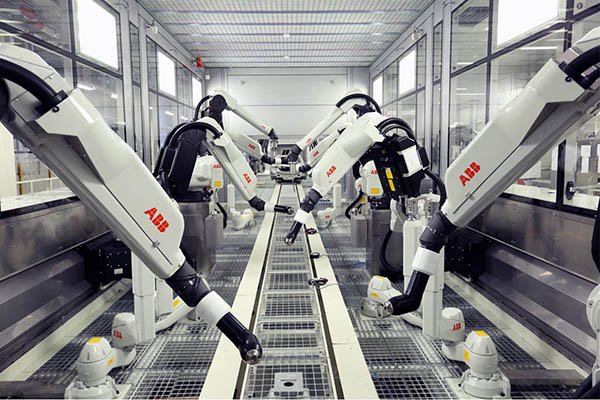
Ensuring the safety and quality of food products is a non-negotiable priority for manufacturers, processors, and distributors worldwide. Food industry quality monitoring systems have become essential tools in achieving this goal, helping organizations comply with regulations, maintain consumer trust, and minimize costly recalls. These solutions combine real-time data collection, automated analysis, and actionable insights to keep every stage of the supply chain under control.
Modern quality monitoring is no longer limited to periodic manual checks. Instead, it relies on a combination of sensors, software, and analytics to provide continuous oversight. By integrating these systems, food businesses can identify issues early, reduce waste, and maintain consistent product standards. For those seeking to optimize plant operations, exploring OEE monitoring and quality control can further boost efficiency alongside safety.
Why Quality Monitoring Is Critical in Food Production
The consequences of lapses in quality control can be severe, ranging from public health risks to damaged reputations and financial losses. Regulatory bodies such as the FDA and international standards like ISO 22000 demand strict adherence to food safety protocols. Automated quality monitoring systems help companies meet these requirements by providing:
- Continuous oversight of critical control points
- Immediate alerts for deviations from set parameters
- Comprehensive data logs for audits and traceability
- Reduced human error through automation
By leveraging these technologies, businesses can move from reactive to proactive quality management, addressing potential hazards before they escalate.
Key Components of Modern Food Quality Monitoring Solutions
Today’s food industry quality monitoring systems are built from a combination of hardware and software elements, each playing a vital role in safeguarding product integrity. The most effective setups typically include:
- Sensors and IoT devices for real-time measurement of temperature, humidity, pH, and other critical factors
- Automated vision systems for detecting physical defects or contamination
- Centralized software platforms for data aggregation and analysis
- Cloud connectivity for remote access and reporting

These components work together to provide a holistic view of production processes, enabling teams to spot anomalies and intervene quickly.
Benefits of Implementing Quality Monitoring in Food Operations
Adopting advanced monitoring tools brings a range of advantages beyond basic compliance. Some of the most impactful benefits include:
- Enhanced product consistency through standardized processes and automated checks
- Faster response to potential safety threats, minimizing the risk of recalls
- Improved operational efficiency by reducing downtime and manual interventions
- Greater transparency for customers and regulators
- Data-driven decision making for continuous improvement
For example, integrating quality KPI tracking systems allows managers to measure and optimize key performance indicators, driving both safety and productivity.
How Automated Systems Support Total Food Safety
Automation is at the heart of modern food safety strategies. By deploying quality monitoring systems that operate around the clock, businesses can ensure that every batch meets strict standards. Automated systems can:
- Detect and reject contaminated or non-conforming products in real time
- Monitor environmental conditions to prevent spoilage
- Generate detailed reports for regulatory compliance
- Integrate with traceability solutions for end-to-end oversight
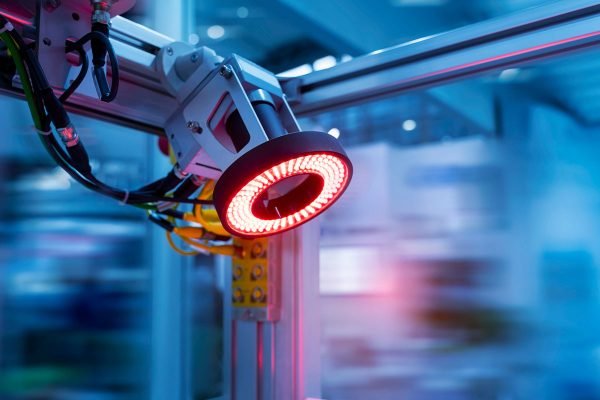
Vision systems, for example, can rapidly inspect packaging lines, catching labeling errors or foreign objects before products leave the facility. For more on preventing shipping mistakes, see this resource on packaging line quality monitoring.
Integrating Quality Monitoring with Broader Manufacturing Goals
A robust food industry quality monitoring system should not operate in isolation. When integrated with other manufacturing technologies, such as MES (Manufacturing Execution Systems) or ERP (Enterprise Resource Planning), quality data can inform broader business decisions. This integration supports:
- Better production scheduling based on real-time quality feedback
- Reduced waste by identifying process inefficiencies
- Improved supplier management through traceable data
Companies focused on downtime reduction through quality monitoring can leverage these insights to keep lines running smoothly and avoid costly interruptions.
Challenges and Best Practices for Successful Implementation
While the benefits are clear, deploying a comprehensive monitoring solution comes with challenges. Common obstacles include:
- Integrating new systems with legacy equipment
- Ensuring data accuracy and reliability
- Training staff to interpret and act on monitoring data
- Managing data security and privacy
To overcome these hurdles, food businesses should:
- Choose scalable, modular solutions that fit existing infrastructure
- Invest in staff training and change management
- Establish clear protocols for responding to alerts
- Regularly audit system performance and update as needed
Staying informed about the importance of real-time quality control in your supply chain can help organizations keep pace with evolving industry standards and consumer expectations.
FAQ: Food Quality Monitoring in Practice
What are the main types of quality monitoring systems used in food manufacturing?
The most common types include sensor-based systems for environmental monitoring, vision inspection for detecting defects or contaminants, and software platforms for data analysis and reporting. These can be combined for comprehensive oversight.
How do automated monitoring systems help prevent food recalls?
By providing real-time alerts and continuous data logging, automated systems allow manufacturers to catch deviations early, isolate affected batches, and take corrective action before products reach consumers, significantly reducing recall risks.
Can quality monitoring solutions be customized for different food products?
Yes, modern systems are highly adaptable. Parameters such as temperature, humidity, and inspection criteria can be tailored to suit the specific needs of different products, whether dairy, meat, baked goods, or beverages.
Conclusion
The adoption of advanced food industry quality monitoring systems is transforming how food businesses manage safety and compliance. By leveraging automation, real-time data, and integrated analytics, organizations can protect consumers, enhance operational efficiency, and maintain a competitive edge. As technology continues to evolve, staying proactive and informed will be key to achieving total safety in food production.