
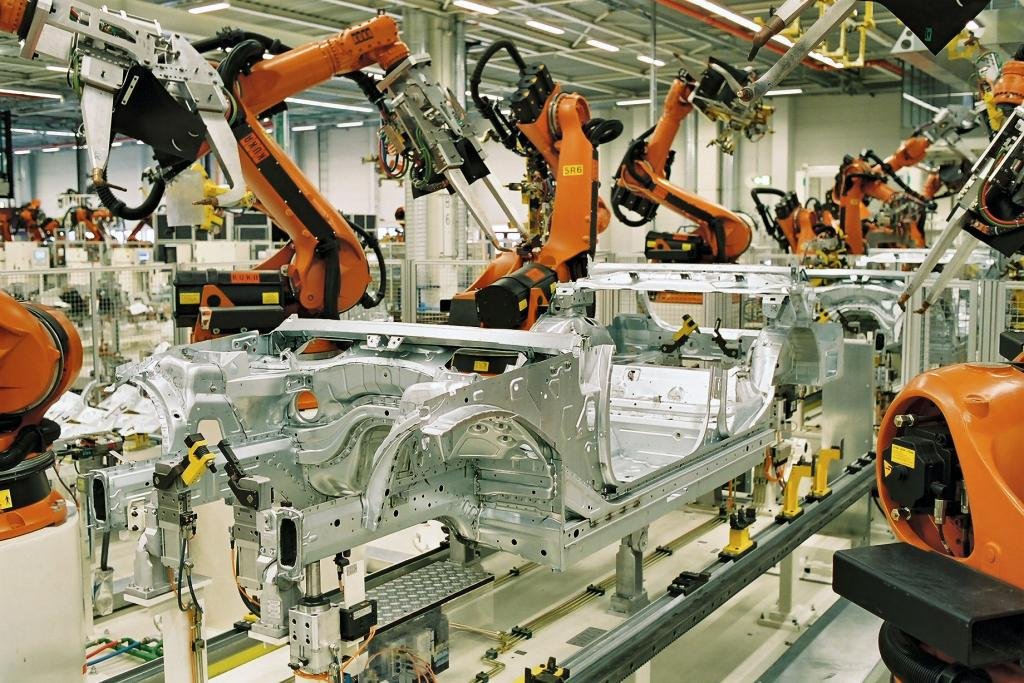
Efficiently organizing manufacturing lines is a fundamental challenge for operations managers and engineers. Achieving optimal throughput, minimizing bottlenecks, and ensuring consistent product quality all depend on a well-balanced production process. Understanding how to balance production lines is essential for maximizing output while controlling costs and maintaining flexibility in response to demand changes.
In this guide, we’ll explore practical steps, proven techniques, and key considerations for distributing workloads evenly across workstations. By applying these principles, manufacturers can reduce idle time, improve resource utilization, and enhance overall productivity. For those interested in the latest digital tools supporting inspection and process optimization, exploring advancements like augmented reality in quality audits can provide additional value.
Understanding the Importance of Line Balancing
Production line balancing refers to the process of assigning tasks to workstations so that each has a similar amount of work. The primary goal is to ensure that no station is overburdened or underutilized, which can lead to delays, increased costs, and reduced output. When lines are not balanced, bottlenecks occur, causing some operators or machines to wait while others are overloaded.
Effective balancing also supports lean manufacturing by eliminating waste, reducing work-in-progress inventory, and improving workflow. This is particularly important in industries with high-volume, repetitive tasks, but the principles apply to both manual and automated environments.
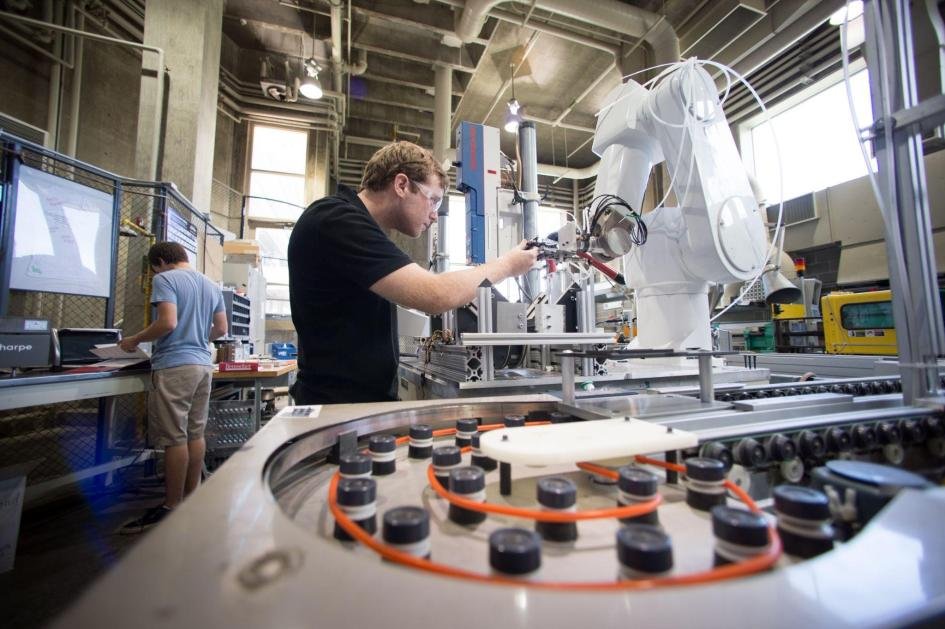
Key Steps in Achieving Efficient Production Line Balancing
To successfully distribute workload and maximize efficiency, follow these core steps:
- Analyze the Workflow: Break down the entire production process into individual tasks and determine the sequence in which they must be performed. Document the time required for each task.
- Calculate Takt Time: Takt time is the rate at which products need to be completed to meet customer demand. It’s calculated by dividing available production time by the required output. This metric guides how much work each station should handle.
- Assign Tasks to Workstations: Distribute tasks among workstations so that the total time at each is as close as possible to the takt time. This minimizes idle time and prevents bottlenecks.
- Balance for Flexibility: Consider variations in demand and potential disruptions. Design the line so it can adapt to changes, such as by cross-training workers or using modular equipment.
- Monitor and Adjust: Continuously observe the line’s performance. Use data to identify imbalances and make adjustments as needed to maintain optimal flow.
Common Methods for Balancing Manufacturing Lines
Several methods and tools can help achieve a balanced workflow in production environments. Here are some of the most widely used:
- Heuristic Approaches: These involve rules of thumb, such as assigning the longest tasks first or grouping tasks with similar times. While not always optimal, they are quick and practical for many settings.
- Mathematical Models: Algorithms and optimization techniques, such as the Kilbridge and Wester method or Ranked Positional Weight, can provide more precise solutions, especially for complex lines.
- Simulation Software: Digital tools allow managers to model different line configurations and test scenarios before implementing changes in the real world. This reduces risk and helps identify the best approach.
- Lean Manufacturing Tools: Techniques like value stream mapping and Kaizen events can uncover inefficiencies and guide improvement efforts.
For organizations seeking to integrate advanced technology, leveraging solutions such as wearable AI for manual inspection support can further enhance productivity and quality control.
Challenges and Solutions in Line Balancing
While the benefits of balancing are clear, several challenges can arise during implementation:
- Task Time Variability: Differences in operator skill or machine performance can cause fluctuations. Address this by standardizing work procedures and providing training.
- Product Mix Changes: If the line must handle different products, flexibility is key. Modular workstations and cross-trained staff can help adapt to changes quickly.
- Equipment Downtime: Unexpected breakdowns disrupt flow. Preventive maintenance and quick-change setups can reduce downtime’s impact.
- Human Factors: Fatigue, motivation, and ergonomics affect performance. Design stations for comfort and safety, and rotate tasks to keep workers engaged.
Addressing these challenges requires a combination of technical solutions, process improvements, and attention to workforce needs.
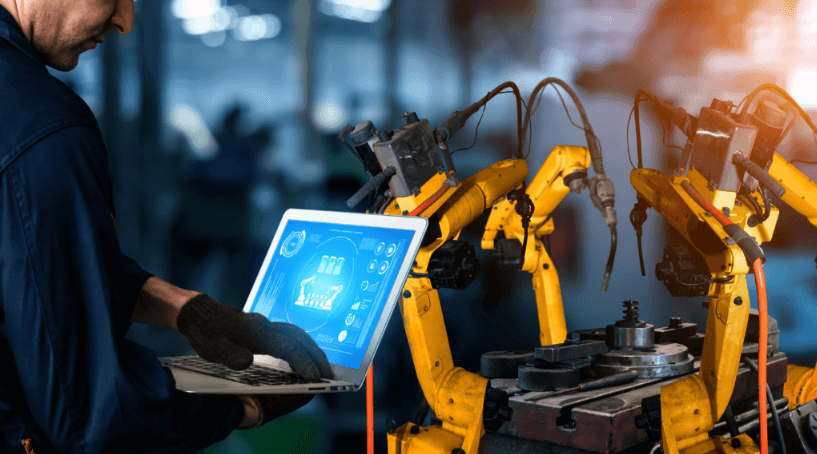
Best Practices for Sustaining Line Efficiency
Maintaining a balanced line is an ongoing process, not a one-time event. Here are some best practices to ensure lasting results:
- Continuous Improvement: Regularly review performance metrics and seek input from operators. Small, incremental changes often yield significant gains over time.
- Embrace Technology: Use real-time data collection and analysis tools to monitor line performance and quickly identify issues.
- Standardize Work: Clearly documented procedures help ensure consistency and make it easier to train new staff or adjust to changes.
- Engage the Workforce: Involve employees in problem-solving and improvement initiatives. Their firsthand knowledge can uncover hidden inefficiencies.
- Benchmark and Learn: Compare performance with industry standards and learn from peers. Resources like guides on improving productivity and efficiency in manufacturing offer valuable insights and case studies.
Integrating Advanced Solutions for Modern Production Lines
Modern manufacturing increasingly relies on digital tools and automation to optimize operations. Integrating technologies such as AI-driven inspection systems, IoT sensors, and data analytics can further enhance line balancing efforts. For example, using vision transformers for industrial use enables real-time monitoring of product quality and process flow, allowing for immediate adjustments and continuous improvement.
Additionally, strategies like hyperparameter tuning for inspection models and retraining strategies for AI inspection help keep automated systems accurate and responsive to changing production conditions.
Frequently Asked Questions
What is the main goal of balancing a production line?
The primary objective is to distribute tasks evenly across all workstations, minimizing idle time and bottlenecks. This leads to higher throughput, better resource utilization, and improved product quality.
How do you determine the optimal number of workstations?
Calculate the takt time based on customer demand and available production time. Then, divide the total task time by the takt time to estimate the minimum number of stations needed. Adjust as necessary to accommodate practical constraints and ensure smooth workflow.
Can line balancing be applied to both manual and automated processes?
Yes, the principles of balancing apply to any sequential process, whether tasks are performed by people, machines, or a combination. The key is to analyze the workflow, assign tasks appropriately, and continuously monitor performance for improvement opportunities.
Conclusion
Mastering how to balance production lines is essential for any manufacturer aiming to achieve maximum output and operational efficiency. By systematically analyzing workflows, applying proven balancing methods, and embracing continuous improvement, organizations can overcome common challenges and sustain high performance. Integrating advanced technologies and engaging the workforce further strengthens these efforts, ensuring that production lines remain agile and competitive in a rapidly evolving industry.