

In today’s competitive manufacturing landscape, maximizing plant efficiency and boosting productivity are essential for staying ahead. Whether you operate a large-scale facility or a smaller production site, even incremental improvements can lead to significant gains in output, cost savings, and quality. This guide explores proven strategies, technologies, and best practices to help you streamline operations, reduce waste, and make the most of your resources.
As digital transformation accelerates, manufacturers are increasingly turning to data-driven approaches and automation. However, foundational elements such as workforce training, process optimization, and robust quality control remain just as important. For those interested in leveraging advanced technologies, understanding vision transformers for industrial use can provide valuable insights into next-generation inspection and automation tools.
Key Factors That Influence Operational Performance
Before implementing changes, it’s important to understand the core factors that impact a facility’s output and resource utilization. These include:
- Process design and workflow: Inefficient layouts or outdated processes can create bottlenecks and slowdowns.
- Equipment reliability: Frequent breakdowns or poorly maintained machinery disrupt schedules and reduce throughput.
- Workforce skills and engagement: Well-trained, motivated employees are more productive and proactive in identifying issues.
- Quality management: High defect rates lead to rework, scrap, and dissatisfied customers.
- Data visibility: Real-time monitoring and analytics enable faster, better-informed decisions.
Best Practices for Boosting Plant Efficiency
Improving operational efficiency is a continuous process. The following best practices can help manufacturers make measurable progress:
1. Streamline Processes and Eliminate Waste
Adopting lean manufacturing principles is one of the most effective ways to remove inefficiencies. Start by mapping out your current workflows to identify unnecessary steps, redundancies, or sources of waste (such as excess inventory, waiting times, or overproduction). Tools like value stream mapping and 5S can help visualize and organize your processes for maximum clarity.
In addition, consider implementing continuous improvement programs such as Kaizen events or Six Sigma projects. These initiatives empower employees to suggest and test small, incremental changes that add up over time.
2. Invest in Equipment Maintenance and Upgrades
Unplanned downtime is a major barrier to high productivity. Establishing a proactive maintenance schedule—rather than relying solely on reactive repairs—can extend equipment life and prevent costly breakdowns. Predictive maintenance, powered by sensors and data analytics, enables teams to address issues before they escalate.

Upgrading to more modern, energy-efficient machinery can also yield significant savings and performance improvements. When evaluating new equipment, consider not only upfront costs but also long-term reliability, ease of integration, and support for automation.
3. Leverage Data and Digital Tools for Smarter Decisions
Digital transformation is reshaping manufacturing. By collecting and analyzing data from machines, sensors, and production lines, managers can gain real-time insights into performance, identify trends, and respond quickly to emerging issues. Manufacturing Execution Systems (MES) and Industrial Internet of Things (IIoT) platforms are increasingly accessible, even for mid-sized plants.
For those interested in advanced inspection and traceability, exploring topics like traceability in AI-driven manufacturing can reveal how digital records improve both quality and compliance.
Empowering Your Workforce for Greater Productivity
Technology alone cannot drive sustainable improvements. Engaged, well-trained employees are essential for maintaining high standards and adapting to change.
- Ongoing training: Regular upskilling ensures staff are proficient with new equipment, safety protocols, and best practices.
- Clear communication: Open channels for feedback and suggestions foster a culture of continuous improvement.
- Recognition and incentives: Rewarding high performers and teams that meet efficiency goals can motivate others to follow suit.
In addition, cross-training employees to handle multiple roles increases flexibility and helps cover absences or surges in demand.
Quality Control and Inspection: Reducing Defects and Rework
High defect rates not only waste resources but also damage customer trust. Implementing robust quality control systems—such as automated inspection, statistical process control, and root cause analysis—can catch issues early and prevent them from recurring.
For organizations adopting artificial intelligence in inspection, understanding retraining strategies for AI inspection is crucial to keep models accurate and effective as conditions evolve.
Harnessing Automation and Industry 4.0 Technologies
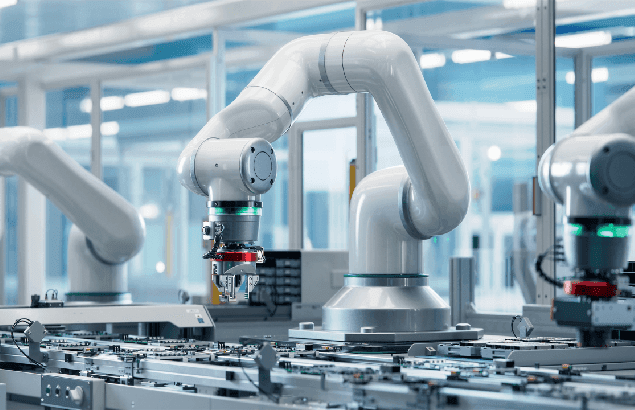
Automation is a powerful lever for increasing output and consistency. From robotic arms to automated guided vehicles (AGVs), these technologies can handle repetitive or hazardous tasks, freeing up skilled workers for higher-value activities.
Industry 4.0 solutions—such as connected devices, cloud analytics, and machine learning—enable predictive maintenance, real-time quality monitoring, and adaptive scheduling. By integrating these tools, plants can respond more quickly to changes in demand or supply chain disruptions.
For a deeper dive into practical strategies, the article 10 strategies to improve production efficiency offers additional actionable tips for manufacturers seeking to modernize their operations.
Continuous Improvement: Monitoring, Measuring, and Adapting
Sustained gains in productivity require ongoing measurement and adjustment. Establish clear Key Performance Indicators (KPIs) such as Overall Equipment Effectiveness (OEE), cycle times, and defect rates. Regularly review these metrics with your team to identify areas for further improvement.
Encourage a mindset where every employee looks for ways to optimize their work. Celebrate small wins and share lessons learned from both successes and setbacks. Over time, this culture of continuous improvement will help your facility stay agile and competitive.
FAQ
What are the most effective ways to increase efficiency in a manufacturing plant?
The most effective approaches include streamlining workflows, adopting lean manufacturing principles, investing in preventive maintenance, leveraging real-time data, and empowering employees through ongoing training. Automation and digital tools can further enhance performance when integrated thoughtfully.
How can digital transformation help improve productivity in industrial facilities?
Digital transformation enables real-time monitoring, predictive maintenance, and data-driven decision-making. By connecting machines and systems, manufacturers can quickly identify bottlenecks, reduce downtime, and optimize resource allocation for better output and quality.
Why is workforce training important for operational performance?
Well-trained employees are more efficient, adaptable, and capable of identifying and solving problems. Regular training ensures staff can safely operate new equipment, follow best practices, and contribute to a culture of continuous improvement.
How does quality control impact plant efficiency?
Effective quality control reduces defects, rework, and waste. By catching issues early and addressing root causes, manufacturers can maintain high output levels and avoid costly disruptions or customer complaints.