
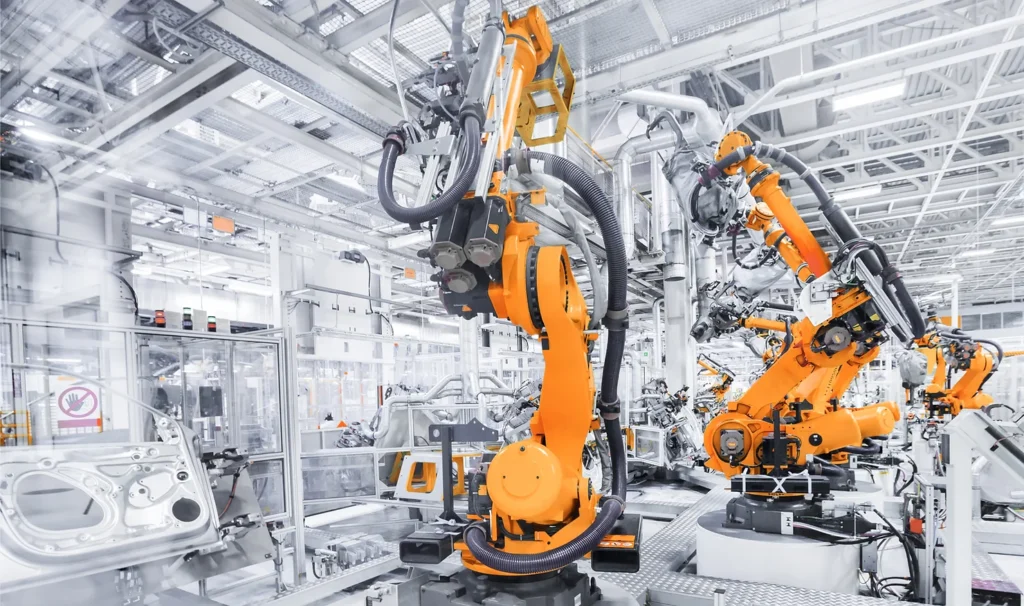
Reducing cycle time is a core objective for manufacturers aiming to boost productivity, minimize costs, and stay competitive. Cycle time refers to the total elapsed time from the beginning to the end of a process, including both processing and waiting periods. By focusing on how to reduce cycle time in production, organizations can deliver products faster, improve quality, and respond more quickly to market demands.
Optimizing production workflows is not just about speed; it’s about eliminating inefficiencies, bottlenecks, and unnecessary steps. This guide explores practical strategies, proven tools, and actionable insights to help you streamline your operations. For those interested in leveraging advanced technologies, exploring topics like augmented reality in quality audits can provide additional perspectives on process improvement.
Understanding Cycle Time and Its Impact
Cycle time is a critical metric in manufacturing and service industries. It measures the duration required to complete a single unit or batch, from the initial input to the finished output. Shorter cycle times mean faster delivery, lower inventory costs, and increased capacity. However, reducing cycle time in production requires a systematic approach that balances speed with quality and resource utilization.
Key benefits of minimizing cycle time include:
- Faster response to customer orders
- Lower work-in-progress (WIP) inventory
- Reduced operational costs
- Higher throughput and equipment utilization
- Improved on-time delivery rates
Identifying Bottlenecks and Waste
The first step in any cycle time reduction initiative is to identify where delays and inefficiencies occur. Bottlenecks are points in the process where work piles up, causing slowdowns. Waste can take many forms, such as excess motion, waiting, overproduction, or defects.
To pinpoint these issues, consider:
- Mapping the entire production process using flowcharts or value stream mapping
- Measuring actual versus ideal process times
- Observing where materials or information accumulate
- Gathering feedback from operators and supervisors
Once bottlenecks and sources of waste are clear, targeted improvements can be planned and executed.
Strategies for Shortening Production Cycles
There are several proven approaches to decrease cycle time in manufacturing environments. The most effective strategies often combine process redesign, technology adoption, and workforce engagement.
1. Streamline Workflows and Standardize Processes
Standardization eliminates variability and reduces errors. By documenting best practices and training staff accordingly, organizations can ensure consistent, repeatable results. Streamlining workflows—removing unnecessary steps and simplifying handoffs—directly cuts down on wasted time.
2. Implement Lean Manufacturing Principles
Lean methodologies focus on eliminating non-value-added activities. Techniques such as 5S, Kanban, and continuous improvement (Kaizen) help teams identify and remove inefficiencies. Lean tools can be particularly effective for those seeking how to reduce cycle time in production without major capital investment.
3. Invest in Automation and Digitalization
Automating repetitive or labor-intensive tasks can dramatically reduce process times and improve accuracy. Digital tools, such as Manufacturing Execution Systems (MES), provide real-time visibility and control over production. For advanced applications, exploring wearable ai for manual inspection support can further enhance efficiency and data collection.
4. Optimize Production Planning and Scheduling
Effective planning ensures that resources, materials, and labor are available when needed. Advanced scheduling tools can help balance workloads, minimize idle time, and avoid conflicts. For more insights, consider reading about ways to improve the efficiency of production planning and control.
5. Foster a Culture of Continuous Improvement
Empowering employees to suggest and implement improvements creates a proactive environment. Regular review meetings, open communication, and recognition of contributions all support ongoing cycle time reduction.
Measuring and Sustaining Improvements
After implementing changes, it’s essential to track results and ensure gains are maintained. Key performance indicators (KPIs) such as average cycle time, throughput, and defect rates should be monitored regularly. Visual management tools and dashboards can help teams stay focused on goals and quickly spot deviations.
Sustaining improvements requires discipline and commitment. Standard operating procedures should be updated, and staff should receive ongoing training. Periodic audits and benchmarking against industry standards can help maintain momentum.
Leveraging Technology for Advanced Optimization
Modern production environments benefit from a range of digital solutions. Artificial intelligence, machine learning, and data analytics can uncover hidden patterns and suggest further optimizations. Technologies like vision transformers for industrial use enable faster, more accurate inspections, while hyperparameter tuning for inspection models ensures that AI-driven quality checks remain efficient.
Regularly updating and retraining AI models, as discussed in retraining strategies for ai inspection, can help maintain high performance as production conditions evolve.
Common Challenges and How to Overcome Them
While the benefits of reducing cycle time are clear, organizations often face obstacles such as resistance to change, legacy equipment, or data silos. Addressing these challenges requires clear communication, leadership support, and a willingness to invest in both people and technology.
- Resistance to Change: Involve employees early, explain the benefits, and provide training.
- Outdated Equipment: Prioritize upgrades that deliver the highest impact on cycle time.
- Data Silos: Integrate systems to enable seamless information flow and real-time decision-making.
By proactively managing these issues, companies can unlock the full potential of their cycle time reduction efforts.
FAQ
What is the difference between cycle time and lead time?
Cycle time measures the duration to complete a single unit or batch within the production process, while lead time includes the entire period from order placement to delivery, encompassing both production and non-production activities.
How often should cycle time be reviewed?
Cycle time should be monitored continuously, with formal reviews conducted at least monthly. Frequent tracking allows for quick identification of deviations and timely corrective actions.
Can small manufacturers benefit from cycle time reduction strategies?
Absolutely. Even small-scale operations can see significant improvements by streamlining workflows, adopting lean principles, and leveraging affordable digital tools. The key is to start with simple changes and build on early successes.