
Modern manufacturing environments demand agility, efficiency, and a relentless focus on quality. Kaizen continuous improvement monitoring has become a cornerstone for organizations aiming to stay competitive by fostering a culture of ongoing enhancement. This approach, rooted in Japanese management philosophy, emphasizes small, incremental changes that collectively drive substantial operational gains.
By integrating real-time data, cross-functional collaboration, and proactive quality management, manufacturers can address inefficiencies before they escalate. This guide explores how monitoring systems inspired by Kaizen principles can transform plant operations, reduce waste, and support sustainable growth. For those interested in related strategies, our article on downtime reduction through quality monitoring offers additional insights into minimizing production interruptions.

The Foundations of Kaizen in Industrial Settings
Kaizen, meaning “change for the better,” is more than a methodology—it’s a mindset that permeates every level of a modern plant. At its core, Kaizen encourages all employees to identify and act on opportunities for improvement, no matter how small. This philosophy, when combined with robust monitoring systems, enables organizations to:
- Detect process deviations early
- Empower teams to take corrective action
- Promote transparency and accountability
- Drive measurable results through continuous feedback loops
In today’s digital era, leveraging technology for Kaizen continuous improvement monitoring bridges the gap between traditional best practices and the demands of Industry 4.0.

Key Elements of Effective Improvement Tracking
Implementing a successful monitoring program involves more than installing sensors and dashboards. The following components are essential for maximizing the impact of continuous improvement initiatives:
1. Real-Time Data Collection
Modern plants rely on automated systems to capture data from production lines, equipment, and quality checkpoints. This real-time visibility enables teams to respond quickly to anomalies, reducing scrap and rework. Integrating OEE monitoring and quality control systems further enhances the ability to track efficiency and identify bottlenecks.
2. Standardized Metrics and KPIs
Consistency is crucial when measuring progress. By defining clear Key Performance Indicators (KPIs) such as defect rates, cycle times, and downtime, organizations can benchmark performance and set realistic improvement targets. Tools like quality KPI tracking systems make it easier to visualize trends and prioritize actions.
3. Employee Engagement and Training
Continuous improvement thrives when employees are empowered to participate. Regular training sessions, open communication channels, and recognition of contributions foster a sense of ownership. Engaged teams are more likely to identify root causes and propose practical solutions.
Leveraging Technology for Continuous Improvement
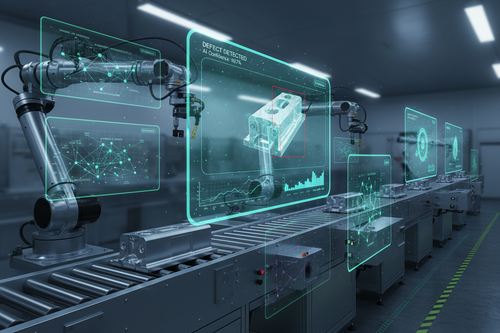
Digital transformation has expanded the possibilities for Kaizen continuous improvement monitoring. Advanced analytics, machine learning, and cloud-based platforms provide deeper insights and predictive capabilities. Here are some ways technology is reshaping monitoring practices:
- Automated Alerts: Systems can notify operators of deviations in real time, enabling immediate intervention.
- Dashboards and Visualization: Interactive dashboards help teams interpret complex data and share findings across departments.
- Integration with Quality Systems: Linking monitoring tools with batch quality monitoring systems ensures consistency and traceability throughout the production process.
For a deeper dive into proactive quality management, the article real-time monitoring: the key to proactive quality management explores how immediate feedback loops can prevent defects and maintain high standards.
Integrating Kaizen Principles with Quality Monitoring
Successful implementation of continuous improvement monitoring requires aligning Kaizen principles with plant-wide quality initiatives. This integration involves:
- Establishing cross-functional teams to review monitoring data and suggest process enhancements
- Conducting regular Gemba walks (on-site observations) to validate data and gather frontline feedback
- Documenting improvements and sharing best practices across shifts and departments
On packaging lines, for example, packaging line quality monitoring can help prevent shipping errors and ensure customer satisfaction. By embedding Kaizen thinking into every monitoring activity, organizations create a cycle of learning and adaptation.
Overcoming Challenges in Modern Plants
While the benefits of continuous improvement monitoring are clear, modern plants often face obstacles such as data overload, resistance to change, and integration issues. Addressing these challenges requires:
- Clear Communication: Explaining the purpose and benefits of monitoring initiatives to all stakeholders
- Incremental Implementation: Starting with pilot projects and scaling up based on results
- Continuous Support: Providing ongoing training and resources to sustain momentum
By focusing on these areas, organizations can ensure that their monitoring efforts deliver lasting value and drive a culture of continuous improvement.
Measuring the Impact of Continuous Improvement Efforts
To justify investments in monitoring systems, it’s essential to track the tangible outcomes of improvement initiatives. Key metrics to evaluate include:
- Reduction in defect rates and rework
- Lower operational costs through waste minimization
- Improved equipment uptime and productivity
- Enhanced employee engagement and retention
Regularly reviewing these results helps organizations refine their strategies and demonstrate the ROI of Kaizen-driven monitoring programs.
Frequently Asked Questions
What is the main goal of Kaizen-based monitoring in manufacturing?
The primary objective is to foster a culture of ongoing improvement by identifying small, actionable changes that enhance quality, efficiency, and safety across all plant operations.
How does continuous improvement monitoring differ from traditional quality control?
Traditional quality control often focuses on end-of-line inspection, while continuous improvement monitoring emphasizes real-time data collection, proactive intervention, and employee involvement throughout the production process.
What technologies are commonly used to support Kaizen initiatives in modern plants?
Technologies such as IoT sensors, cloud-based analytics platforms, machine learning algorithms, and integrated dashboards are frequently used to capture, analyze, and act on production data in support of Kaizen principles.