
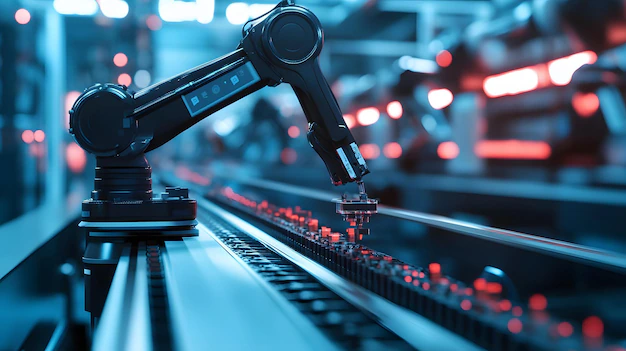
Pattern recognition for quality assurance is rapidly transforming how manufacturers, laboratories, and technology-driven industries ensure product consistency and compliance. By leveraging artificial intelligence (AI) and machine learning, organizations can automate the detection of defects, anomalies, and process deviations with unprecedented speed and accuracy. This approach not only reduces human error but also enables continuous improvement in quality management systems.
As industries face increasing demand for higher standards and traceability, understanding the fundamentals of AI-powered pattern recognition becomes essential. This article explores the core concepts, practical applications, and key considerations for implementing these technologies in real-world quality assurance workflows.
For those interested in maintaining high-performing AI inspection systems over time, consider exploring retraining strategies for ai inspection to keep models sharp and reliable as production environments evolve.
Understanding AI-Driven Pattern Recognition in Quality Management
At its core, pattern recognition for quality assurance refers to the use of algorithms that can identify recurring structures, features, or irregularities within data. In manufacturing, this often means analyzing images, sensor readings, or process logs to spot defects or deviations from standards. AI models, especially those based on deep learning, excel at learning complex patterns from large datasets, enabling them to outperform traditional rule-based systems.
The process typically involves:
- Data collection from cameras, sensors, or other inspection devices
- Preprocessing to enhance or normalize the input
- Feature extraction, where the AI identifies relevant characteristics
- Classification or anomaly detection, determining if a sample meets quality criteria
- Feedback and continuous learning to improve accuracy over time
This approach is especially valuable in environments where manual inspection is time-consuming, inconsistent, or prone to oversight.
Applications of Pattern Recognition in Quality Control
The adoption of AI-based pattern recognition is growing across various sectors. Here are some practical examples where these technologies deliver significant value:
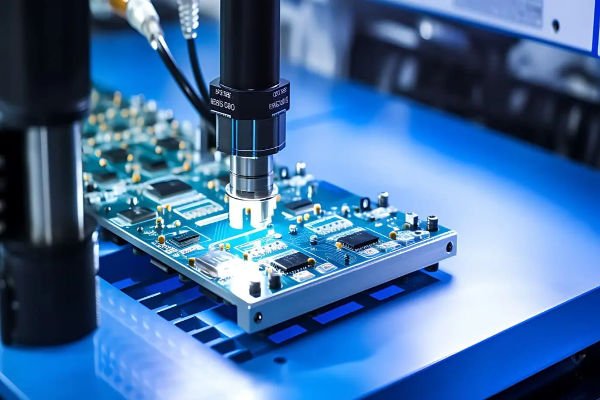
- Visual inspection in electronics manufacturing: Automated systems can detect micro-cracks, soldering defects, or misalignments on printed circuit boards far more reliably than the human eye.
- Surface defect detection in automotive and aerospace: AI models analyze paint, metal, or composite surfaces for scratches, dents, or inclusions, ensuring only flawless components proceed down the line.
- Pharmaceutical packaging and labeling: Pattern recognition algorithms verify correct labeling, fill levels, and seal integrity, reducing the risk of costly recalls.
- Food and beverage inspection: Systems can identify foreign objects, irregular shapes, or color deviations in processed foods, supporting both safety and brand reputation.
For a deeper dive into advanced computer vision techniques, see how vision transformers for industrial use are redefining next-generation inspection.
How AI Enhances Pattern Recognition for Quality Assurance
The integration of AI in pattern recognition brings several advantages over conventional methods:
- Higher accuracy: Deep learning models can learn subtle features and adapt to new defect types, reducing false positives and negatives.
- Scalability: Automated inspection systems can handle high volumes and operate 24/7, supporting increased production without sacrificing quality.
- Real-time feedback: Immediate identification of defects allows for rapid intervention, minimizing waste and rework.
- Continuous improvement: AI systems can be retrained with new data, improving their performance as more examples are collected.
However, successful deployment requires careful attention to data quality, model selection, and ongoing validation. Addressing overcoming data scarcity in inspection is crucial for building robust AI solutions, especially in industries with limited defect samples.
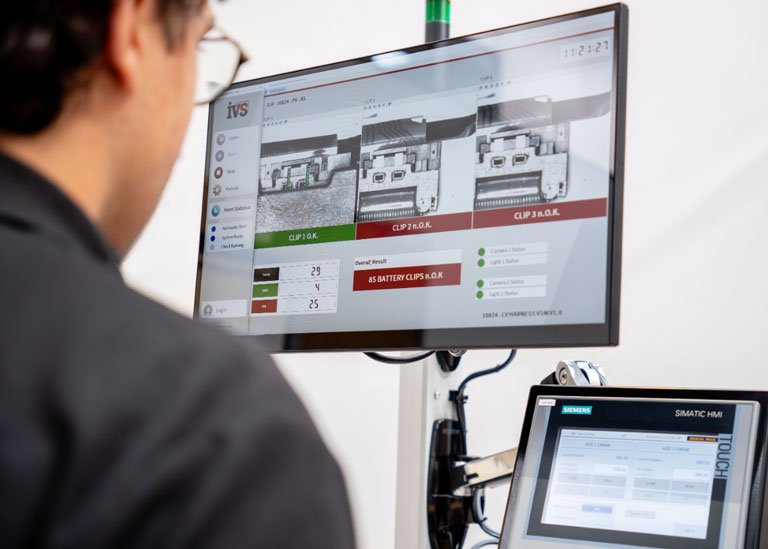
Challenges and Best Practices in Implementing Automated Quality Inspection
While the benefits are clear, organizations face several challenges when introducing AI-powered pattern recognition into quality assurance:
- Data annotation: High-quality labeled data is essential for training accurate models, but manual annotation can be labor-intensive.
- Model drift: Changes in production materials, lighting, or equipment can degrade model performance over time, requiring regular retraining and validation.
- Integration with legacy systems: Connecting AI inspection tools with existing manufacturing execution systems (MES) and quality management software may require custom development.
- Regulatory compliance: Industries such as pharmaceuticals and automotive must ensure that automated inspection meets international standards and traceability requirements. For guidance, review the iso standards for automated inspection essential guide.
To maximize the impact of AI in quality assurance, organizations should:
- Invest in high-quality, diverse training datasets
- Establish clear validation and monitoring protocols
- Plan for ongoing model updates and retraining
- Collaborate with domain experts to interpret results and refine inspection criteria
For a comprehensive overview of traceability and compliance, see the article on traceability in ai-driven manufacturing.
Industry Perspectives and Future Trends
The future of pattern recognition in quality assurance is closely tied to advances in AI research and industrial automation. Emerging trends include:
- Edge AI: Deploying models directly on inspection devices for faster, decentralized decision-making.
- Explainable AI: Developing systems that provide transparent reasoning for defect detection, supporting regulatory compliance and operator trust.
- Integration with IoT: Combining inspection data with other process sensors for holistic quality management and predictive maintenance.
For a technical perspective on the evolution of these systems, the NEC technical journal on AI-based visual inspection offers valuable insights into the latest research and deployment strategies.
Frequently Asked Questions
What types of defects can AI-based pattern recognition detect?
AI-powered inspection systems can identify a wide range of defects, including surface scratches, cracks, missing components, misalignments, incorrect labeling, and contamination. The specific capabilities depend on the training data and the complexity of the AI model used.
How does pattern recognition improve quality assurance compared to manual inspection?
Automated pattern recognition reduces human error, increases inspection speed, and ensures consistent application of quality standards. It enables real-time detection of anomalies and supports continuous improvement through data-driven insights.
What are the main challenges in deploying AI for quality control?
Key challenges include collecting and annotating sufficient training data, managing model drift as production conditions change, integrating with existing systems, and ensuring compliance with industry regulations. Ongoing monitoring and retraining are essential for sustained performance.
Conclusion
Adopting pattern recognition for quality assurance empowers organizations to achieve higher product consistency, reduce waste, and respond quickly to quality issues. As AI technologies continue to evolve, their role in automated inspection and process optimization will only grow. By understanding the basics, investing in robust data practices, and staying informed about industry standards, manufacturers and quality professionals can harness the full potential of AI-driven pattern recognition for long-term success.