
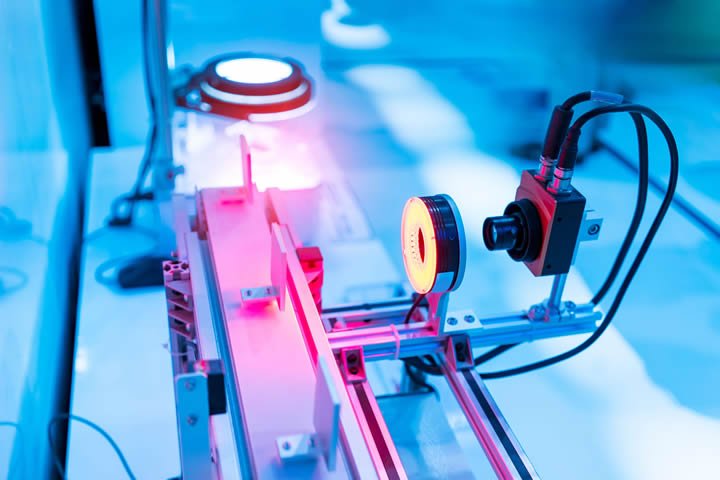
Reducing mistakes in manufacturing is essential for maintaining quality, minimizing waste, and protecting a company’s reputation. As production lines become more complex and customer expectations rise, organizations are seeking production error reduction strategies that deliver measurable results. Rather than relying on outdated methods or guesswork, modern facilities are adopting a blend of technology, process improvement, and workforce engagement to drive down defects and boost efficiency.
This article explores proven techniques for minimizing errors in manufacturing environments. You’ll learn how real-time monitoring, automation, data-driven decision-making, and targeted training can help your operation achieve consistent quality. For those interested in related approaches, our guide on downtime reduction through quality monitoring offers additional insights into maintaining seamless production.
Understanding the Root Causes of Production Errors
Before implementing any improvement plan, it’s crucial to identify why mistakes occur. Common sources of errors include equipment malfunctions, human oversight, inconsistent materials, and unclear procedures. By conducting a thorough root cause analysis, manufacturers can target the most impactful areas for improvement.
- Equipment-related issues: Wear and tear, improper calibration, or outdated machinery can lead to defects.
- Human factors: Inadequate training, fatigue, or unclear instructions often result in avoidable mistakes.
- Material inconsistencies: Variations in raw materials or components can disrupt quality.
- Process variability: Lack of standardization or poorly documented procedures increases the risk of error.
By mapping out these sources, teams can prioritize solutions that address the most frequent or costly problems.
Leveraging Technology for Fewer Mistakes
Modern manufacturing relies heavily on technology to reduce errors and maintain high standards. Automated inspection systems, machine vision, and real-time data collection are transforming how quality is managed on the shop floor.
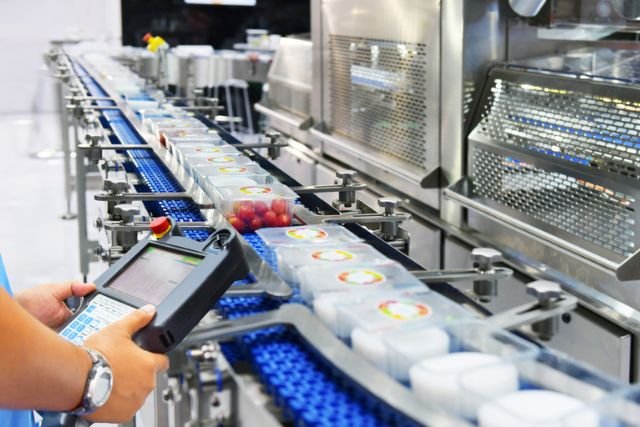
Automated inspection tools can detect defects in real time, allowing operators to correct issues before they escalate. Machine vision systems, for example, can identify surface flaws, incorrect assembly, or missing parts with greater accuracy than manual checks. Integrating these systems into the production line helps ensure that only products meeting specifications move forward.
In addition, OEE monitoring and quality control solutions provide actionable insights into equipment performance and process stability. By tracking metrics such as downtime, speed, and quality, manufacturers can quickly spot trends and intervene before minor issues become major setbacks.
Standardizing Processes and Documentation
Consistency is a cornerstone of effective production error reduction strategies. Standard operating procedures (SOPs) ensure that every worker follows the same steps, reducing variability and the chance of mistakes. Well-documented processes also make it easier to train new employees and maintain compliance with industry standards.
- Develop clear, step-by-step instructions for each task.
- Use visual aids, such as diagrams or photos, to clarify complex steps.
- Regularly review and update documentation to reflect process changes.
Organizations that invest in robust documentation see fewer misunderstandings and a smoother handoff between shifts or teams.
Empowering Employees Through Training and Engagement
A well-trained workforce is one of the most effective defenses against production errors. Ongoing education ensures that employees understand not only how to perform their tasks, but also why each step matters for quality.
Effective training programs should include:
- Hands-on instruction for new equipment or processes
- Refresher courses to reinforce best practices
- Clear communication about quality expectations and error reporting
Beyond formal training, fostering a culture where employees feel empowered to suggest improvements or report issues without fear of blame leads to continuous improvement. Engaged workers are more likely to notice potential problems early and take corrective action.
Real-Time Monitoring and Data-Driven Decision Making
Implementing real-time monitoring systems is a powerful way to catch and correct errors as they happen. Sensors, IoT devices, and software platforms can track key variables—such as temperature, pressure, or assembly speed—and alert operators to deviations from the norm.
For example, quality KPI tracking systems enable managers to set benchmarks and receive instant feedback on performance. This data-driven approach allows for rapid adjustments, reducing the likelihood of defective batches or costly recalls.
For a broader perspective on how real-time quality control impacts the supply chain, see this detailed overview of real-time quality control in supply chains.
Continuous Improvement and Lean Manufacturing Principles
Adopting continuous improvement frameworks, such as Lean or Six Sigma, helps organizations systematically reduce errors over time. These methodologies emphasize eliminating waste, standardizing work, and empowering teams to solve problems at the source.
Key elements include:
- Kaizen: Encouraging small, incremental changes that add up to significant improvements.
- Root cause analysis: Using tools like the “5 Whys” or fishbone diagrams to dig deeper into recurring issues.
- Visual management: Implementing boards or displays that make performance and problems visible to all.
By embedding these principles into daily routines, manufacturers can create a culture of accountability and proactive problem-solving.
Integrating Quality Control Across the Production Line
Quality assurance should not be confined to the final inspection stage. Instead, it needs to be woven throughout the entire manufacturing process. In-line monitoring, batch sampling, and feedback loops between departments ensure that errors are detected and addressed as early as possible.
For example, packaging line quality monitoring systems help prevent shipping errors by verifying labels, weights, and seals before products leave the facility. Similarly, batch quality monitoring systems support consistent output by tracking variables during production runs.
This integrated approach reduces the risk of costly recalls and enhances customer satisfaction.
FAQ: Common Questions About Reducing Errors in Production
What are the most effective ways to minimize production mistakes?
Combining technology, such as automated inspection and real-time monitoring, with standardized processes and ongoing employee training yields the best results. Continuous improvement frameworks also help organizations adapt and refine their strategies over time.
How can data help in reducing manufacturing errors?
Collecting and analyzing production data allows teams to identify trends, predict potential issues, and make informed decisions. Real-time alerts enable quick interventions, while historical data supports long-term process optimization.
Why is employee engagement important in error reduction?
Engaged workers are more likely to follow procedures, report problems, and suggest improvements. A culture that values input from all levels leads to earlier detection of issues and more effective solutions.
Implementing these production error reduction strategies can transform manufacturing operations, leading to higher quality, lower costs, and greater customer trust. By focusing on technology, process discipline, and workforce empowerment, organizations can achieve sustainable improvements and stay competitive in today’s demanding market.