
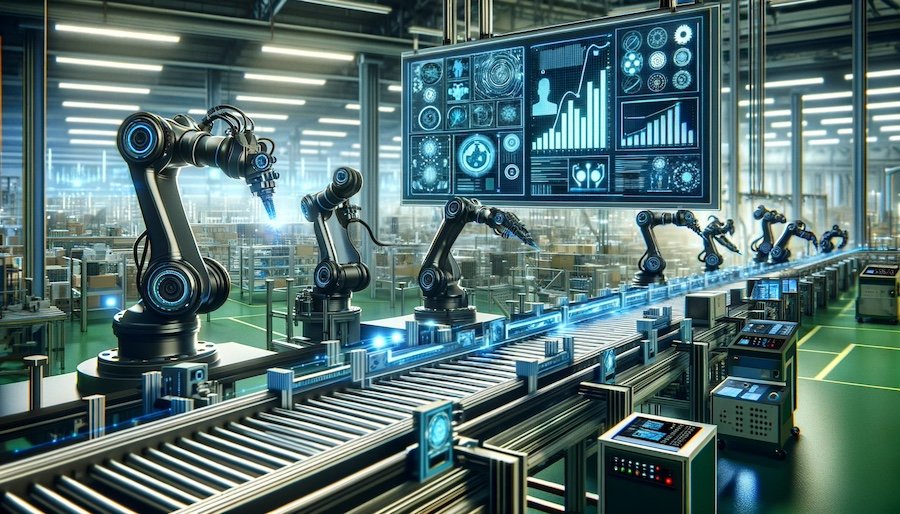
Reducing rework costs with AI vision is rapidly becoming a top priority for manufacturers seeking to improve quality, efficiency, and profitability. As production lines grow more complex and customer expectations rise, traditional inspection methods often fall short—leading to costly errors, product recalls, and wasted resources. By leveraging advanced visual inspection powered by artificial intelligence, organizations can detect defects earlier, minimize manual intervention, and streamline quality assurance processes. This article explores how AI-driven vision systems are transforming manufacturing, the practical steps for implementation, and the measurable impact on operational costs.
Manufacturers looking to stay ahead are increasingly turning to AI-powered inspection for a competitive edge. For those interested in keeping their AI models performing at their best, exploring retraining strategies for AI inspection can be a valuable next step.
Understanding the True Cost of Rework in Manufacturing
Rework refers to the process of correcting defects or non-conformities in products after initial production. While some level of rework is inevitable, excessive rates can significantly erode profit margins. The direct costs include labor, materials, and machine time spent on fixing errors. Indirectly, rework can lead to production delays, missed delivery deadlines, increased scrap, and dissatisfied customers.
Traditional inspection methods, such as manual visual checks or basic machine vision, often fail to catch subtle defects or struggle with high-speed production lines. This results in defective products slipping through or unnecessary rework due to false positives. The cumulative impact is substantial, making it essential for manufacturers to seek more reliable and scalable solutions.
How AI Vision Systems Minimize Rework and Waste
AI-driven vision systems use deep learning algorithms to analyze images of products in real time, identifying defects with a level of accuracy and consistency far beyond human inspectors. These systems can be trained to recognize a wide range of anomalies, from surface scratches to assembly errors, even in challenging lighting or orientation conditions.
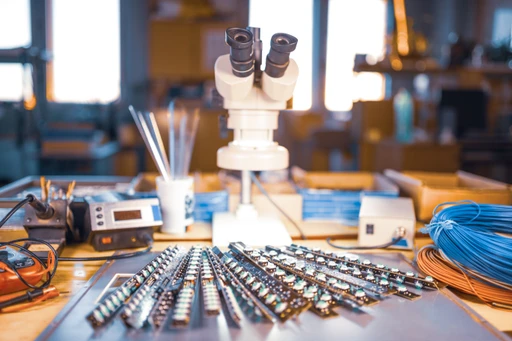
Key advantages of implementing AI vision for reducing rework costs include:
- Consistent, objective inspection—AI models do not suffer from fatigue or subjectivity, ensuring every product is evaluated to the same standard.
- Early defect detection—Problems are caught at the source, preventing defective products from advancing down the line and reducing the volume of rework required.
- Scalability—AI systems can handle high-speed production and adapt to new product variants with minimal retraining.
- Data-driven insights—Inspection data can be analyzed to identify recurring issues, optimize processes, and drive continuous improvement.
For manufacturers facing challenges with limited training data, learning about overcoming data scarcity in inspection can further enhance the effectiveness of AI vision solutions.
Implementing AI Vision for Cost-Effective Quality Control
Transitioning to AI-powered visual inspection involves several key steps. First, organizations must assess their current quality control processes and identify pain points where defects are most likely to occur. Next, selecting the right AI vision platform is crucial—look for solutions that offer robust model training, easy integration with existing equipment, and support for ongoing updates as products evolve.
Successful deployment also depends on capturing high-quality image data, labeling defects accurately, and continuously monitoring system performance. Periodic retraining ensures the AI models remain effective as new defect types or product variations arise. For those interested in the latest advancements, exploring vision transformers for industrial use can provide insights into next-generation inspection technologies.
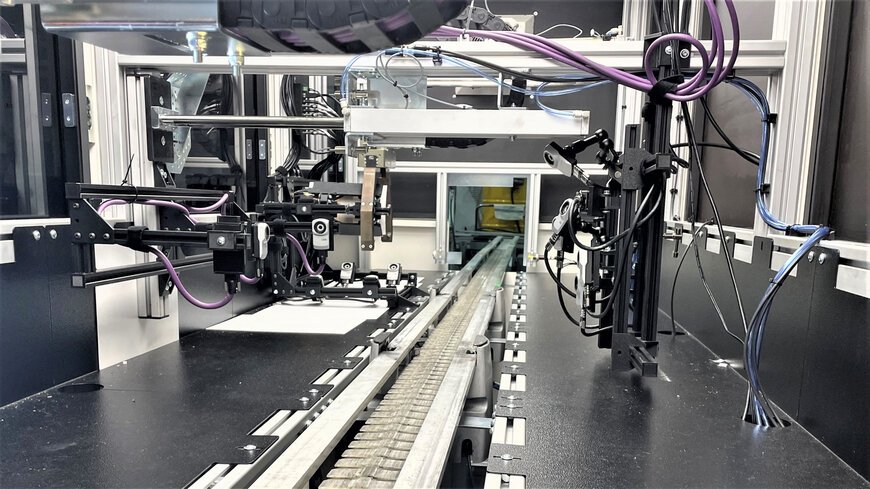
Integration with smart sensors and real-time data collection systems can further enhance the value of AI vision. For example, combining inspection data with smart sensors for real-time quality data enables faster decision-making and more precise root cause analysis.
Real-World Impact: Quantifying Savings and ROI
The financial benefits of adopting AI-based visual inspection are compelling. By reducing the incidence of rework, manufacturers can save on labor, materials, and downtime. Improved first-pass yield means more products meet quality standards on the first attempt, boosting throughput and customer satisfaction.
Case studies have shown that companies implementing AI vision systems often see:
- 30–50% reduction in rework rates
- Significant decrease in scrap and waste
- Faster detection of process deviations
- Improved traceability and compliance
For a deeper dive into how AI is transforming quality assurance, the article transforming quality assurance with artificial intelligence provides additional insights and industry examples.
Moreover, integrating AI vision with traceability systems, as discussed in traceability in ai-driven manufacturing, helps manufacturers track defects back to their source, further reducing the likelihood of recurring issues and supporting continuous improvement initiatives.
Best Practices for Maximizing the Value of AI Vision
To ensure the greatest return on investment, manufacturers should follow these best practices:
- Start with a pilot project—Test AI vision on a single line or product to validate performance and build internal expertise.
- Invest in high-quality data—The accuracy of AI models depends on the quality and diversity of training images.
- Continuously monitor and retrain—Regularly review inspection results and update models as needed to maintain accuracy.
- Engage cross-functional teams—Involve quality, engineering, and IT teams to ensure smooth integration and ongoing support.
- Leverage analytics—Use inspection data to identify trends, optimize processes, and drive proactive improvements.
By following these guidelines, organizations can unlock the full potential of AI vision and achieve lasting reductions in rework costs.
FAQ: AI Vision and Cost Reduction in Manufacturing
How does AI vision differ from traditional machine vision in reducing rework?
AI vision systems use deep learning to recognize complex patterns and subtle defects that traditional rule-based machine vision often misses. This leads to more accurate defect detection, fewer false positives, and a greater reduction in unnecessary rework.
What types of defects can AI vision systems detect?
AI-powered inspection can identify a wide range of issues, including surface scratches, color inconsistencies, assembly errors, missing components, and even micro-cracks. The system can be trained to recognize new defect types as they emerge.
Is AI vision suitable for small and medium-sized manufacturers?
Yes, modern AI vision solutions are scalable and can be tailored to fit the needs and budgets of smaller manufacturers. Cloud-based platforms and modular hardware make it easier than ever to adopt advanced inspection without large upfront investments.
How can manufacturers ensure their AI models remain accurate over time?
Regular monitoring, data collection, and retraining are essential. Manufacturers should periodically review inspection outcomes, add new defect samples to the training set, and update models to adapt to changes in products or processes.
Conclusion
Adopting AI vision for reducing rework costs is a practical, high-impact strategy for manufacturers aiming to improve quality and profitability. By automating defect detection, minimizing manual intervention, and leveraging data-driven insights, organizations can achieve significant savings and a stronger competitive position. As AI technology continues to evolve, those who invest early in intelligent inspection will be best positioned to thrive in an increasingly demanding market.