
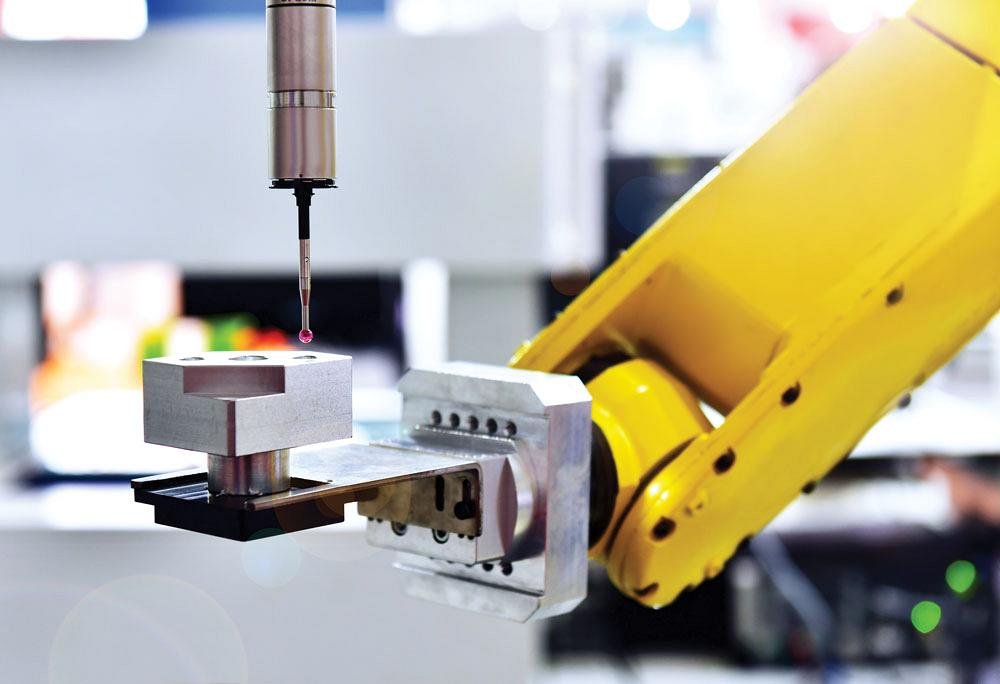
Manufacturers are under constant pressure to improve productivity, reduce waste, and deliver consistent product quality. Six Sigma quality monitoring tools have become essential for factories aiming to achieve these goals. By leveraging data-driven approaches and advanced monitoring systems, organizations can systematically identify inefficiencies and defects, leading to higher yields and more reliable operations.
In this article, we’ll explore the most effective tools and techniques used in Six Sigma-driven environments, how they contribute to better production outcomes, and practical steps for integrating them into your factory processes. For those focused on specific areas like packaging line quality monitoring, these methods can be tailored to address unique challenges and prevent costly errors early in the workflow.
Understanding the Role of Six Sigma in Manufacturing
Six Sigma is a structured methodology that aims to minimize variation and defects in manufacturing processes. By focusing on data collection, analysis, and continuous improvement, factories can achieve near-perfect production standards. The adoption of Six Sigma quality monitoring tools is critical for identifying process weaknesses and driving corrective actions.
At its core, Six Sigma relies on the DMAIC framework—Define, Measure, Analyze, Improve, and Control. Each stage utilizes specific tools to monitor and enhance process performance. These tools not only help in detecting deviations but also provide actionable insights for long-term improvements.
Key Tools for Monitoring Quality in Six Sigma Environments
A variety of monitoring solutions are available for manufacturers seeking to implement Six Sigma principles. Here are some of the most impactful:
- Statistical Process Control (SPC) Charts: These charts track process data over time, making it easy to spot trends, shifts, or outliers that could indicate quality issues.
- Control Plans: A control plan documents the critical process parameters and outlines how they are monitored and controlled to maintain product quality.
- Process Mapping: Visual representations of workflows help teams understand where defects may occur and where monitoring should be intensified.
- Root Cause Analysis Tools: Techniques such as the 5 Whys and Fishbone Diagrams are used to investigate and eliminate sources of variation.
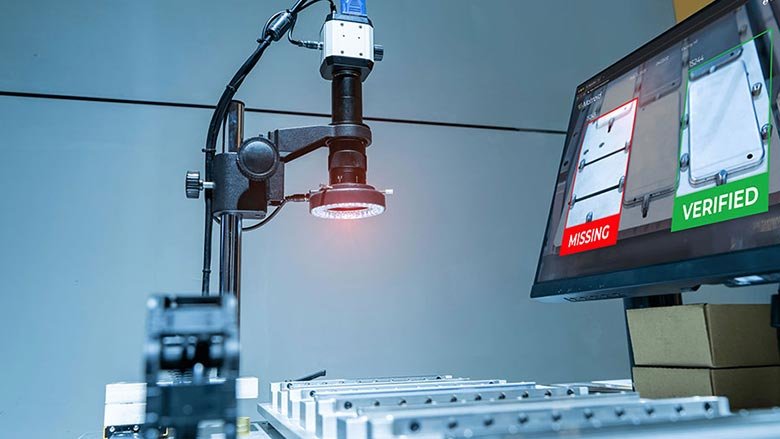
- Automated Inspection Systems: Machine vision and sensor-based systems provide real-time feedback on product quality, reducing human error and speeding up defect detection.
Integrating Automated Quality Monitoring Solutions
Modern factories are increasingly turning to automation to enhance their quality control processes. Automated systems, such as machine vision and AI-powered inspection tools, can analyze thousands of products per minute, identifying defects that would be difficult or impossible for humans to detect consistently.
These solutions not only improve accuracy but also free up human operators to focus on higher-value tasks. When combined with Six Sigma methodologies, automated monitoring enables rapid feedback loops, allowing for immediate corrective actions and continuous process optimization.
For operations requiring extremely tight tolerances, integrating precision manufacturing monitoring with Six Sigma tools ensures that even the smallest deviations are caught before they impact final yields.
Data-Driven Decision Making with Six Sigma Monitoring Tools
One of the biggest advantages of using Six Sigma quality monitoring tools is the ability to make informed decisions based on real-time data. By collecting and analyzing process metrics, manufacturers can pinpoint exactly where inefficiencies or defects are occurring.
For example, Statistical Process Control (SPC) charts provide a visual representation of process stability, making it easy to identify when a process is drifting out of control. Similarly, control plans ensure that all critical parameters are continuously tracked, reducing the risk of unexpected failures.
Data-driven monitoring also supports compliance efforts and makes it easier to demonstrate continuous improvement to customers and regulatory bodies. For organizations interested in broader compliance strategies, resources like continuous controls monitoring can provide valuable context on integrating quality and compliance frameworks.

Reducing Scrap and Improving Yields with Six Sigma Approaches
Waste reduction is a central goal of Six Sigma. By applying quality monitoring tools throughout the production process, factories can identify sources of scrap and implement targeted improvements. Early detection of defects means less rework, lower material costs, and higher overall yields.
In addition to real-time monitoring, historical data analysis can reveal recurring issues and help teams develop more robust processes. For those looking to further minimize waste, strategies from scrap reduction in production lines can be integrated with Six Sigma methodologies for even greater impact.
End-to-End Visibility and Traceability
Achieving high yields isn’t just about monitoring individual processes—it’s about understanding the entire production flow. End-to-end visibility, supported by digital traceability systems, allows manufacturers to track every component and process step from raw material to finished product.
By combining digital traceability in production with Six Sigma monitoring, organizations can quickly identify where defects originate and take corrective action before they affect downstream operations. This holistic approach ensures that improvements are sustained and that quality standards are maintained across the entire factory.
Best Practices for Implementing Quality Monitoring in Factories
To maximize the benefits of Six Sigma tools, manufacturers should follow these best practices:
- Start with a Clear Objective: Define what you want to achieve—higher yields, reduced scrap, improved compliance, etc.
- Engage Cross-Functional Teams: Involve operators, engineers, and quality professionals in tool selection and implementation.
- Leverage Automation Where Possible: Automated inspection and data collection reduce errors and speed up feedback.
- Regularly Review and Update Control Plans: As processes evolve, ensure that monitoring tools and parameters are kept up to date.
- Invest in Training: Equip your workforce with the skills needed to interpret data and act on insights from monitoring systems.
Frequently Asked Questions
What are the main benefits of using Six Sigma quality monitoring tools in manufacturing?
The primary advantages include reduced defects, lower scrap rates, improved process stability, and higher yields. These tools enable data-driven decision making, faster problem resolution, and a culture of continuous improvement.
How do automated inspection systems support Six Sigma initiatives?
Automated systems, such as machine vision and sensor-based inspection, provide real-time feedback on product quality. They help detect defects early, reduce human error, and enable rapid corrective actions, all of which align with Six Sigma’s focus on minimizing variation and improving consistency.
Can Six Sigma monitoring tools be integrated with digital traceability systems?
Yes, integrating quality monitoring with digital traceability in production allows manufacturers to track defects to their source and implement targeted improvements. This combination enhances end-to-end visibility and supports more effective root cause analysis.
Conclusion
Adopting Six Sigma quality monitoring tools is a proven way to boost factory yields, reduce waste, and ensure consistent product quality. By combining data-driven methodologies, automated inspection, and end-to-end visibility, manufacturers can achieve significant improvements in operational efficiency and customer satisfaction. As technology continues to evolve, staying current with the latest monitoring solutions will be key to maintaining a competitive edge in today’s manufacturing landscape.