
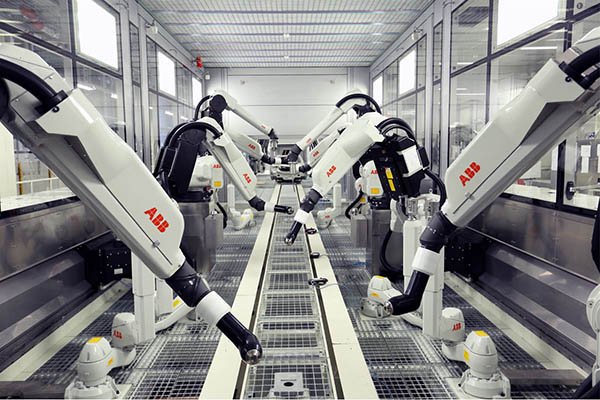
Manufacturing industries are under constant pressure to deliver products that meet strict quality standards while maintaining high throughput. As consumer expectations rise and regulations become more stringent, the need for advanced inspection methods has never been greater. Vision based quality inspection has emerged as a transformative solution, enabling manufacturers to detect defects, ensure assembly accuracy, and optimize production lines with unmatched speed and precision.
This article explores how automated visual inspection systems are reshaping quality assurance in assembly processes. We’ll look at the core technologies behind these systems, their practical benefits, and how they integrate with broader quality management strategies. For organizations seeking to enhance OEE monitoring and quality control, vision-driven solutions provide a pathway to higher efficiency and reduced risk of costly errors.
How Vision Inspection Systems Work in Assembly Lines
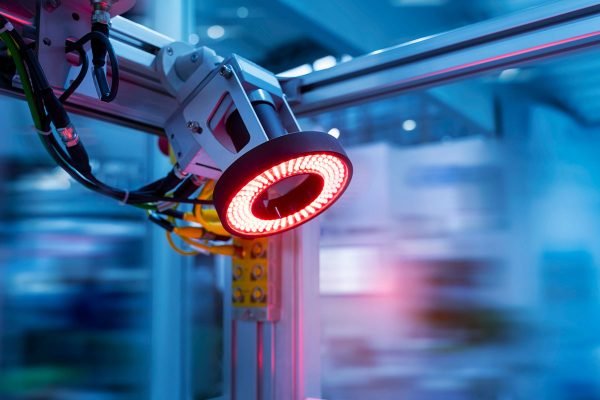
At the heart of vision based quality inspection are high-resolution cameras, advanced lighting, and intelligent software algorithms. These systems capture detailed images of products as they move through the assembly line. Using machine learning and pattern recognition, the software analyzes each image to identify deviations from predefined standards. This enables detection of surface defects, missing components, misalignments, and other anomalies that could compromise product quality.
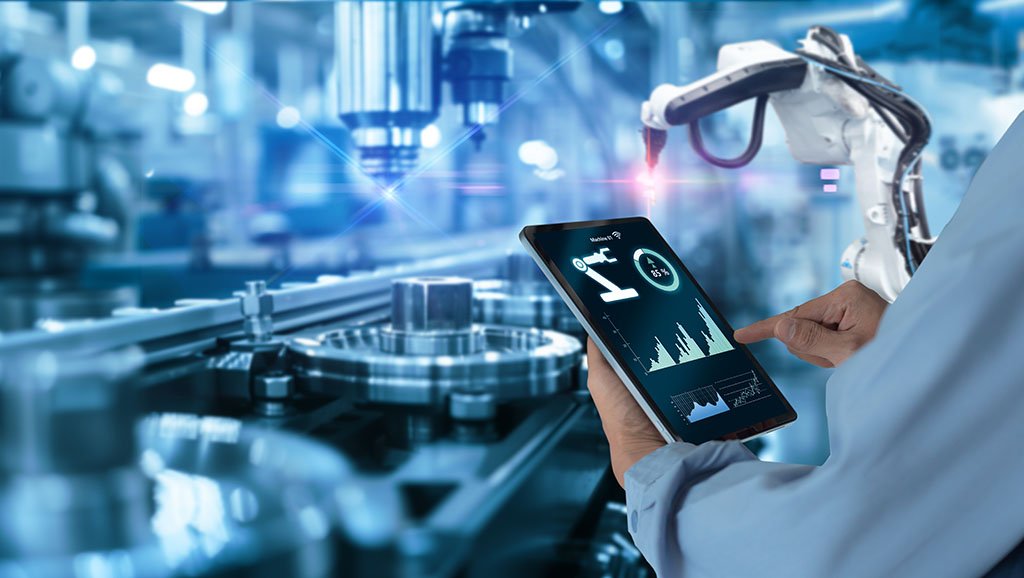
Unlike manual inspection, which is prone to human error and fatigue, automated vision systems deliver consistent and objective results. They can operate around the clock, inspecting every unit at speeds that match or exceed production rates. This not only improves defect detection but also supports continuous process improvement by providing real-time data on quality trends.
Key Benefits of Automated Visual Inspection
Implementing vision-based inspection in assembly operations offers several important advantages:
- Increased Accuracy: Machine vision systems can detect flaws that are invisible to the naked eye, ensuring that only products meeting exact specifications proceed to the next stage.
- Higher Throughput: Automated inspection keeps pace with fast-moving assembly lines, eliminating bottlenecks and reducing downtime.
- Objective Quality Assessment: By removing subjectivity, these systems ensure that quality standards are applied uniformly across all products.
- Traceability and Data Collection: Every inspection is logged, making it easy to trace defects back to their source and implement corrective actions.
- Cost Savings: Early detection of defects reduces waste, rework, and the risk of recalls, ultimately lowering production costs.
For manufacturers focused on downtime reduction through quality monitoring, vision systems play a critical role in preventing process interruptions caused by undetected defects.
Applications Across Manufacturing Sectors
Vision based quality inspection is widely adopted in industries such as automotive, electronics, pharmaceuticals, food and beverage, and consumer goods. In automotive assembly, for example, vision systems verify the presence and alignment of critical components like bolts, welds, and connectors. In electronics, they inspect printed circuit boards for soldering defects and missing parts. Pharmaceutical manufacturers use vision inspection to ensure correct labeling, packaging integrity, and absence of contaminants.
These applications demonstrate the versatility of vision inspection, which can be tailored to meet the specific needs of different products and processes. The technology is also scalable, making it suitable for both high-volume production lines and smaller, specialized assembly operations.
Integrating Vision Systems with Quality Management
To maximize the impact of automated inspection, manufacturers are increasingly integrating vision systems with broader quality management platforms. This integration enables seamless data sharing, real-time alerts, and comprehensive reporting. By connecting vision inspection data with quality KPI tracking systems, organizations gain deeper insights into process performance and can respond quickly to emerging issues.
Vision inspection also supports compliance with industry standards and customer requirements. By providing digital records of every inspection, these systems simplify audits and demonstrate a commitment to quality assurance.
Challenges and Considerations in Implementation
While the benefits of vision based quality inspection are substantial, successful implementation requires careful planning. Key considerations include:
- System Calibration: Cameras and lighting must be precisely configured to capture clear, consistent images under varying production conditions.
- Algorithm Training: Machine learning models need to be trained on representative samples to accurately distinguish between acceptable and defective products.
- Integration with Existing Systems: Vision solutions should be compatible with current automation and data management platforms to ensure smooth operation.
- Change Management: Operators and quality teams may require training to interpret inspection results and respond to alerts effectively.
Despite these challenges, the long-term gains in quality, efficiency, and traceability make vision inspection a worthwhile investment for most manufacturers.
Real-Time Quality Control and the Future of Inspection
The evolution of vision-based inspection is closely linked to advances in artificial intelligence, edge computing, and industrial connectivity. Modern systems can process images in real time, enabling immediate feedback and corrective action. This capability is especially valuable in industries where even minor defects can have significant consequences.
For a deeper understanding of how real-time monitoring enhances supply chain performance, see the importance of real-time quality control in your supply chain.
Looking ahead, the integration of vision inspection with robotics, IoT sensors, and cloud analytics will further enhance its value. Manufacturers will be able to predict defects before they occur, optimize maintenance schedules, and continuously improve product quality based on actionable data.
To prevent shipping errors and ensure packaging integrity, many organizations are also adopting packaging line quality monitoring solutions powered by vision technology.
Frequently Asked Questions
What types of defects can vision-based inspection detect?
Automated vision systems can identify a wide range of defects, including surface scratches, dents, discoloration, missing or misaligned parts, incorrect assembly, and labeling errors. The specific types of defects detected depend on the application and the configuration of the inspection system.
How does vision inspection improve manufacturing efficiency?
By providing rapid, objective, and consistent inspection, vision systems reduce the risk of defective products reaching customers. They also minimize manual labor, decrease rework and scrap rates, and support continuous process improvement through real-time data collection.
Is it difficult to implement vision-based quality inspection in existing production lines?
While integration requires careful planning—such as calibrating cameras, training algorithms, and ensuring compatibility with existing automation—modern vision systems are designed for flexible deployment. Many vendors offer modular solutions that can be tailored to specific production requirements.
Conclusion
Vision based quality inspection is transforming how manufacturers approach quality assurance, enabling faster, more accurate, and more reliable defect detection. By leveraging advanced imaging and intelligent algorithms, organizations can achieve flawless assembly, reduce costs, and build a reputation for excellence. As technology continues to advance, vision inspection will remain a cornerstone of modern manufacturing, driving continuous improvement and supporting the delivery of high-quality products to customers worldwide.