
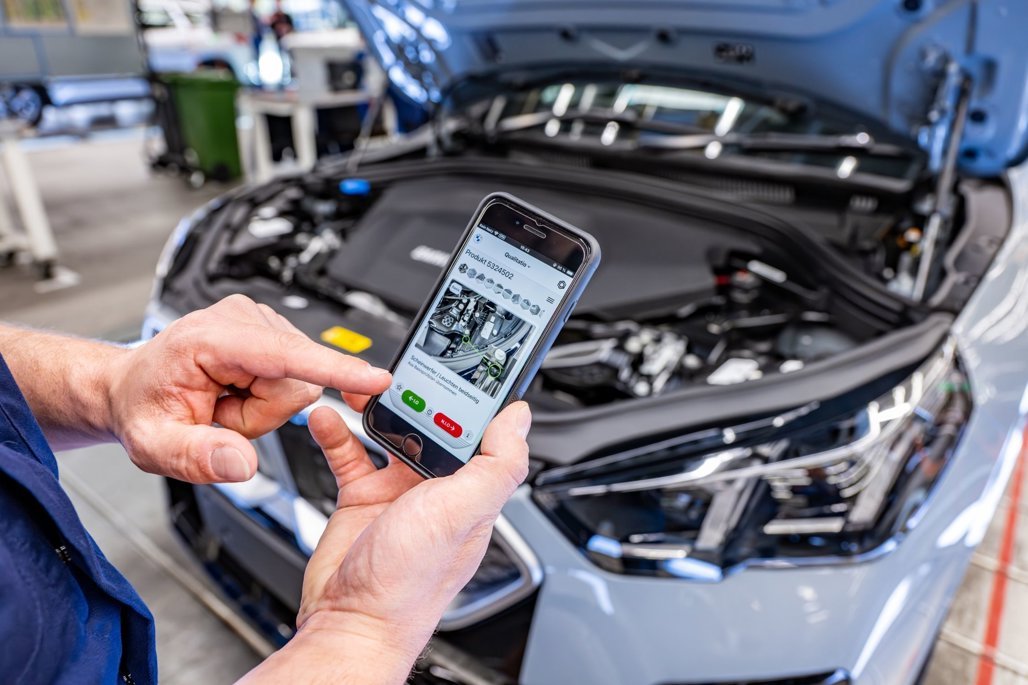
High-resolution imaging for AI models has become a cornerstone of modern computer vision, inspection, and automation systems. As artificial intelligence continues to transform industries, the quality of input data—especially images—plays a critical role in determining the accuracy, reliability, and performance of AI-driven solutions. Whether in manufacturing, healthcare, automotive, or security, the demand for detailed, high-fidelity visual data is growing rapidly.
This article explores why image quality matters for AI, how high-resolution data impacts model outcomes, and what organizations should consider when integrating advanced imaging into their workflows. For those interested in keeping their AI inspection systems up to date, exploring retraining strategies for AI inspection can further enhance model performance and adaptability.
Why Image Quality Matters in AI Applications
The effectiveness of AI models, especially those focused on vision tasks, is directly tied to the quality of their input data. High-resolution imaging for AI models enables algorithms to detect subtle features, identify defects, and make more confident predictions. Low-quality or blurry images can obscure important details, leading to missed detections or false positives.
In industrial inspection, for example, high-resolution cameras can capture fine cracks, surface anomalies, or minute assembly errors that lower-resolution systems might miss. In medical diagnostics, detailed imaging allows AI tools to recognize early signs of disease that could be invisible in compressed or pixelated scans.
Key Benefits of High-Resolution Imaging for AI Systems
Integrating advanced imaging technology into AI pipelines offers several advantages:
- Improved Detection Accuracy: Fine details are preserved, allowing models to distinguish between similar objects or identify small defects.
- Enhanced Training Data: Richer input data leads to more robust model training, reducing overfitting and improving generalization.
- Greater Flexibility: High-quality images can be downsampled or cropped for different tasks, offering more versatility in dataset preparation.
- Better Explainability: Clear visuals make it easier for human reviewers to validate AI decisions and trace errors.
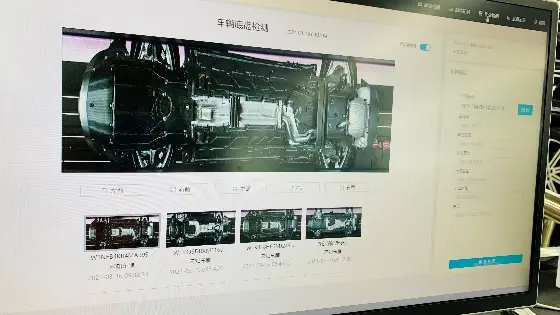
Challenges and Considerations in Implementing High-Resolution Imaging
While the advantages are clear, adopting high-resolution imaging for AI models introduces several technical and operational challenges:
- Data Storage and Bandwidth: Higher resolution means larger file sizes, which can strain storage infrastructure and slow down data transfer.
- Processing Power: AI models may require more computational resources to process detailed images, increasing hardware costs and inference time.
- Camera and Sensor Selection: Not all imaging devices are created equal. Choosing the right sensor for your application is critical to achieving the desired balance between resolution, speed, and cost.
- Lighting and Environmental Factors: High-resolution sensors are sensitive to lighting conditions. Proper illumination and environmental control are essential for consistent results.
Organizations must weigh these factors against their operational needs and budget constraints. In some cases, a hybrid approach—using high-resolution imaging for critical inspection points and lower-resolution for less demanding tasks—can offer a practical compromise.
Applications Across Industries
High-resolution imaging for AI models is making a significant impact in a variety of sectors:
- Manufacturing: Automated visual inspection systems use detailed images to detect defects, ensure product quality, and reduce manual labor.
- Healthcare: Medical imaging AI leverages high-resolution scans for early disease detection, surgical planning, and pathology analysis.
- Automotive: Advanced driver-assistance systems (ADAS) and autonomous vehicles rely on rich visual data for object detection, lane keeping, and safety monitoring.
- Security and Surveillance: High-resolution cameras enable AI-powered facial recognition, anomaly detection, and event analysis in real time.
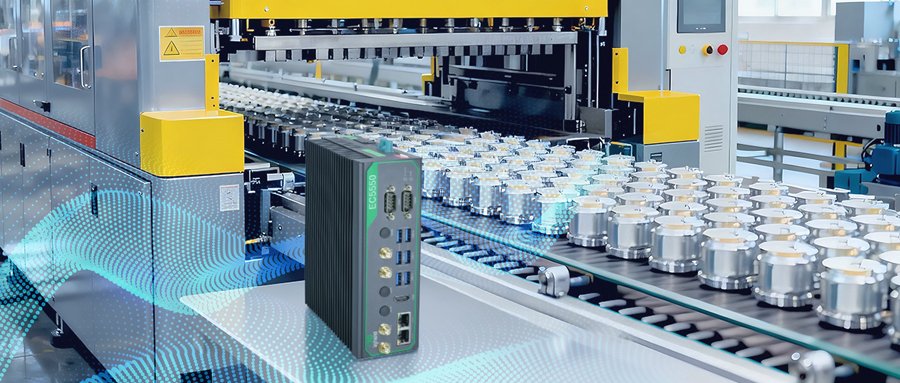
Best Practices for Integrating High-Resolution Imaging Into AI Workflows
To maximize the benefits of detailed imaging in AI projects, consider the following best practices:
- Define the Use Case Clearly: Understand what features or defects need to be detected and select imaging equipment accordingly.
- Optimize Data Pipelines: Use efficient compression and storage solutions to manage large image files without sacrificing quality.
- Invest in Scalable Infrastructure: Ensure your computing environment can handle the increased processing demands of high-resolution data.
- Regularly Update and Retrain Models: As imaging technology evolves, periodically update your datasets and retrain models to maintain accuracy. For more on this, see our article on retraining strategies for AI inspection.
- Monitor for Bias and Artifacts: High-resolution images can sometimes introduce new types of noise or bias. Regular validation and quality checks are essential.
For organizations looking to generate synthetic data or expand their datasets, exploring generative ai for inspection training can be a valuable strategy.
Emerging Trends and Future Directions
The field of high-resolution imaging for AI models is rapidly evolving. Some notable trends include:
- Vision Transformers: New model architectures, such as those discussed in vision transformers for industrial use, are designed to handle large, detailed images more efficiently.
- Edge AI: Advances in edge computing allow high-resolution image processing to occur closer to the data source, reducing latency and bandwidth requirements.
- Automated Quality Control: AI-powered inspection is becoming standard in manufacturing, with AI in quality control and inspection offering significant improvements in speed and accuracy.
- Integration with Robotics: Combining high-resolution imaging with robotics and reinforcement learning, as explored in reinforcement learning in robotic inspection, is opening new possibilities for fully automated inspection lines.
FAQ: High-Resolution Imaging and AI
What is the main advantage of using high-resolution images in AI models?
The primary benefit is improved detection accuracy. Detailed images allow AI systems to identify subtle features, small defects, or complex patterns that might be missed with lower-quality input.
Are there any downsides to using high-resolution imaging in AI workflows?
Yes, higher resolution increases data storage requirements and processing demands. Organizations must ensure their infrastructure can handle larger files and more intensive computations, which may require additional investment.
How do I choose the right camera or sensor for my AI application?
Start by defining your inspection or analysis goals. Consider the smallest feature you need to detect, the speed of your process, and environmental factors like lighting. Consult with imaging experts or vendors to match your requirements with the appropriate technology.
Can synthetic data help when high-resolution images are hard to obtain?
Absolutely. Synthetic data generation, especially with generative AI techniques, can supplement real-world datasets and help train robust models when collecting high-quality images is challenging or expensive.
Conclusion
High-resolution imaging for AI models is transforming how organizations approach quality control, automation, and data-driven decision-making. By investing in advanced imaging technology and following best practices, businesses can unlock new levels of accuracy, efficiency, and insight from their AI systems. As the technology continues to evolve, staying informed about the latest trends and integrating robust data strategies will be key to maintaining a competitive edge.