
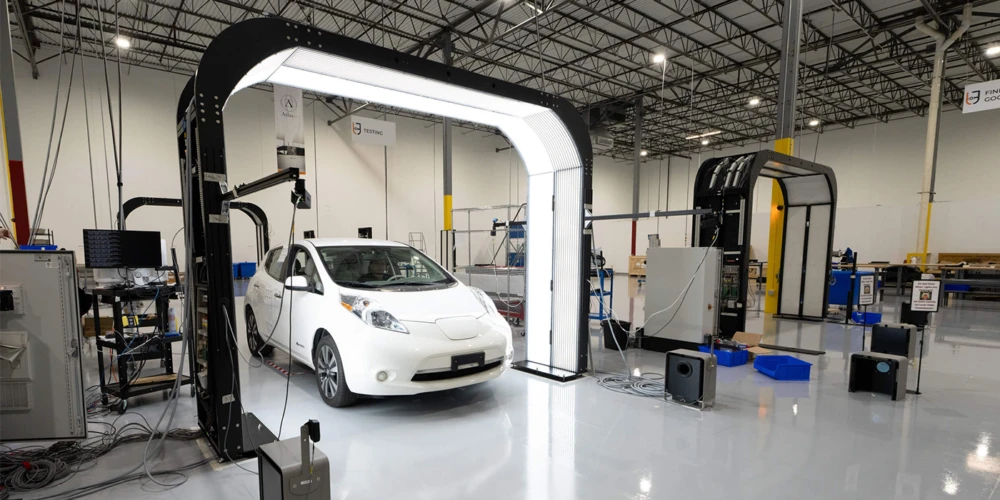
Generative AI for inspection training is transforming how organizations prepare machine learning models for quality control and defect detection. By leveraging advanced algorithms, teams can now create synthetic datasets that mirror real-world inspection scenarios, overcoming traditional data limitations and accelerating the development of robust, accurate systems. This approach is particularly valuable in industries where collecting and labeling large volumes of inspection data is costly, time-consuming, or simply impractical.
In this article, we’ll explore how generative models are reshaping dataset creation for inspection tasks, the benefits and challenges of synthetic data, and practical steps for integrating these techniques into your AI pipeline. For organizations looking to stay ahead, understanding these methods is essential for building reliable, future-proof inspection solutions.
If you’re interested in strategies for keeping your inspection models accurate over time, consider reviewing retraining strategies for ai inspection for practical insights on maintaining model performance.
Why Synthetic Data Matters in Inspection Model Training
Inspection systems rely on large, diverse datasets to learn how to identify defects, anomalies, or quality issues. However, collecting enough real-world examples—especially of rare or subtle defects—can be a major bottleneck. Synthetic data generated by AI models helps bridge this gap by producing realistic images or sensor data that simulate a wide range of inspection scenarios.
By using generative AI for inspection training, teams can:
- Expand datasets with rare or hard-to-capture defect types
- Balance class distributions for more effective learning
- Reduce the need for costly manual data collection and labeling
- Test models under controlled, repeatable conditions
This approach not only speeds up the development cycle but also improves the generalization and robustness of inspection models.
How Generative AI Models Create Inspection Datasets
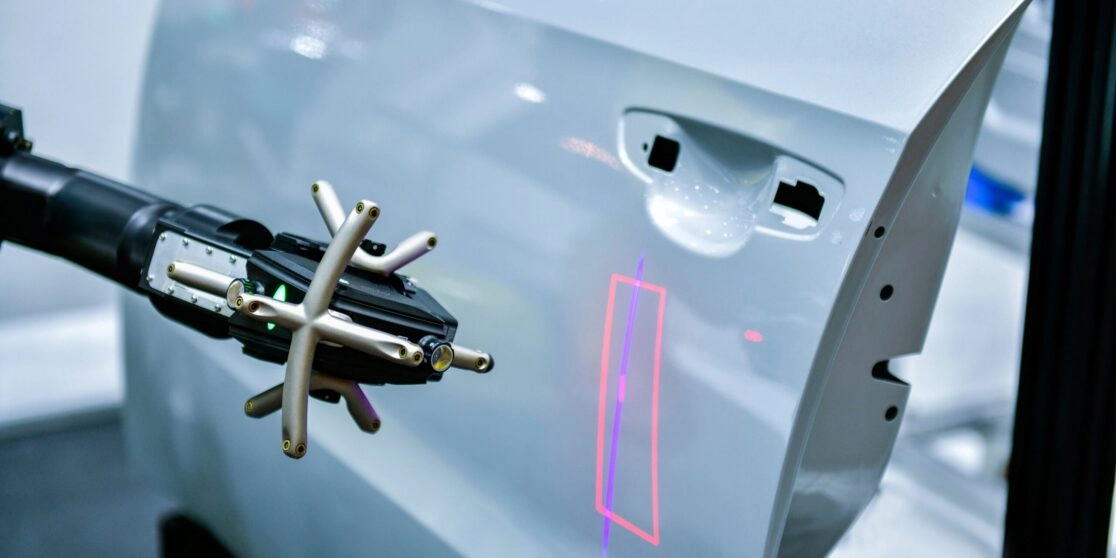
Generative models such as Generative Adversarial Networks (GANs), Variational Autoencoders (VAEs), and diffusion models are at the core of synthetic data creation. These algorithms learn the underlying patterns of real inspection data and can then produce new, highly realistic samples that mimic those patterns.
The process typically involves:
- Collecting a seed dataset of real inspection images or sensor readings
- Training a generative model to understand the distribution of defects and normal cases
- Generating new synthetic samples, including rare or extreme cases
- Validating the quality of synthetic data through expert review or automated metrics
- Combining real and synthetic data to train or fine-tune inspection algorithms
This workflow allows for rapid scaling of training datasets and supports the development of models that can handle a broader range of inspection challenges.
Benefits of Using Generative AI for Inspection Training
Adopting generative AI for inspection training offers several clear advantages:
- Data Diversity: Synthetic data can represent a wide variety of defect types, lighting conditions, and object orientations, improving model robustness.
- Cost Efficiency: Reduces the need for expensive manual data collection and annotation, especially for rare or dangerous scenarios.
- Faster Iteration: Enables rapid prototyping and testing of new inspection algorithms by providing abundant training examples.
- Privacy and Security: Synthetic datasets can be shared or used for collaboration without exposing sensitive real-world data.
- Bias Reduction: Helps address class imbalance and ensures inspection models are not overfitted to common cases.
These benefits make generative approaches an attractive option for manufacturers, quality assurance teams, and AI developers working in regulated or data-scarce environments.
Challenges and Considerations in Synthetic Dataset Creation
While the advantages are significant, there are important challenges to address when using synthetic data for inspection tasks:
- Realism: Synthetic samples must be indistinguishable from real data to avoid introducing artifacts or biases.
- Validation: Ensuring the generated data accurately represents real-world defect distributions requires careful validation and, often, expert input.
- Generalization: Over-reliance on synthetic data can lead to models that perform well on artificial samples but struggle with real-world variability.
- Integration: Combining synthetic and real data effectively is key to maximizing performance gains.
Best practices include mixing synthetic and real data, continuously evaluating model performance on real inspection tasks, and updating generative models as new defect types emerge. For more on addressing data limitations, see our guide on overcoming data scarcity in inspection.
Best Practices for Building Synthetic Inspection Datasets
To get the most value from generative AI for inspection training, consider the following best practices:
- Start with Quality Seed Data: The initial real-world dataset should be well-labeled and representative of the inspection problem.
- Iterative Generation: Regularly update synthetic datasets as new defect types or inspection scenarios are discovered.
- Expert Review: Involve domain experts in validating synthetic samples to ensure they reflect real inspection challenges.
- Data Augmentation: Combine generative samples with traditional augmentation techniques (rotation, scaling, noise) for maximum diversity.
- Performance Monitoring: Continuously test models on real inspection data to catch overfitting or synthetic artifacts early.
These steps help ensure that synthetic data enhances, rather than hinders, the performance and reliability of inspection systems.
Applications Across Industries
Synthetic dataset creation using generative AI is already making an impact in sectors such as:
- Automotive manufacturing: Detecting paint defects, weld quality, or assembly errors
- Electronics: Identifying soldering faults or component misplacement on circuit boards
- Pharmaceuticals: Ensuring packaging integrity and product consistency
- Food processing: Spotting contamination or labeling errors
- Energy: Monitoring pipelines and infrastructure for corrosion or damage
As adoption grows, more industries are leveraging these techniques to improve quality control, reduce waste, and enhance safety. For a look at advanced model architectures, see our article on vision transformers for industrial use.
Integrating Synthetic Data into the AI Inspection Pipeline
Successful integration of synthetic data into inspection workflows involves several key steps:
- Define Objectives: Identify which inspection challenges or defect types require more data.
- Model Selection: Choose an appropriate generative model based on data type and complexity.
- Data Generation: Produce synthetic samples, ensuring a mix of normal and defective cases.
- Validation: Use expert review and quantitative metrics to assess the quality of synthetic data.
- Model Training: Train or fine-tune inspection algorithms using a blend of real and synthetic data.
- Continuous Improvement: Monitor performance and update datasets as inspection requirements evolve.
This iterative process allows teams to respond quickly to new inspection challenges and maintain high standards of quality and reliability.
For additional insights on managing risks in AI-driven inspection, explore our resource on risk management in ai inspection.
Future Directions and Industry Trends
The field of generative AI for inspection training is rapidly evolving. Emerging trends include:
- Multimodal Data Generation: Creating synthetic datasets that combine images, sensor readings, and text annotations for richer training signals.
- Adaptive Generative Models: Using feedback from deployed inspection systems to refine synthetic data generation in real time.
- Regulatory Acceptance: Growing recognition of synthetic data’s value in regulated industries, provided validation standards are met.
- Integration with Edge AI: Deploying generative models directly on inspection devices for on-the-fly data augmentation and model adaptation.
Organizations that invest in these technologies are better positioned to handle evolving inspection requirements and maintain a competitive edge.
For a broader perspective on how AI is enhancing quality control, see this overview of AI-powered quality control solutions across industries.
FAQ
What types of defects can generative AI simulate for inspection training?
Generative models can simulate a wide range of defects, from surface scratches and dents to complex structural anomalies. The key is providing a representative seed dataset and iteratively refining the synthetic samples to match real-world inspection needs.
How do you ensure synthetic inspection data is realistic?
Quality assurance involves expert review, statistical comparison with real data, and testing model performance on real inspection tasks. Combining synthetic and real data, and regularly updating the generative model, helps maintain realism and effectiveness.
Can synthetic data fully replace real inspection data?
While synthetic data greatly enhances dataset diversity and volume, it is most effective when used alongside real inspection data. Real-world samples are essential for validation and for capturing nuances that generative models may miss.