
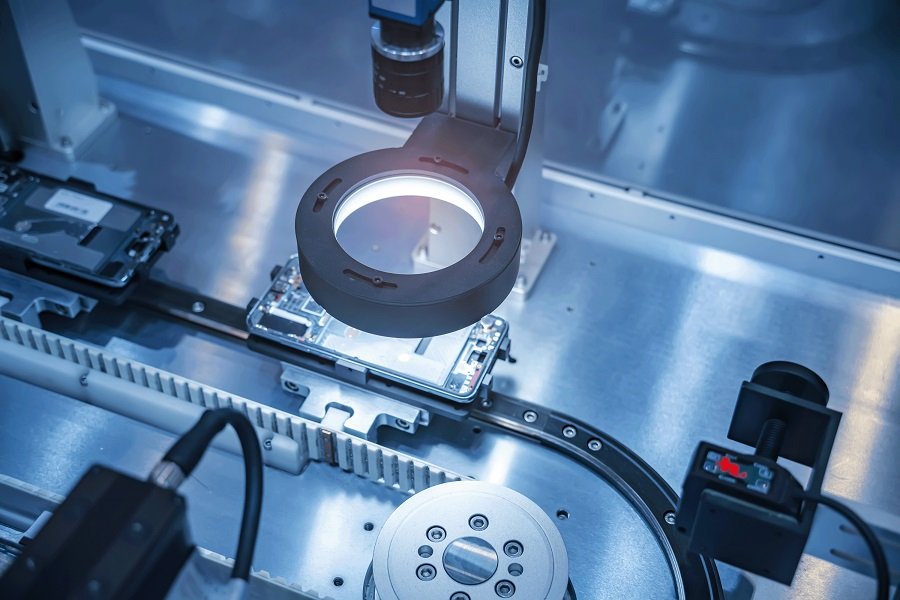
As manufacturers and industrial leaders look to modernize quality control, AI-driven inspection systems are rapidly gaining traction. These advanced solutions promise not only improved defect detection but also significant cost savings, process optimization, and enhanced product quality. However, justifying the investment in such technologies requires a clear, data-driven approach to measuring their financial impact. Understanding how to assess the roi of ai-driven inspection systems is essential for making informed decisions and maximizing long-term value.
In this article, we’ll break down the key factors that influence return on investment for AI-enabled inspection, outline practical calculation methods, and highlight important considerations for both initial deployment and ongoing optimization. For those interested in how digital models enhance inspection, our guide on digital twins and ai inspection systems offers further insights.
Understanding the Value Proposition of Automated Inspection
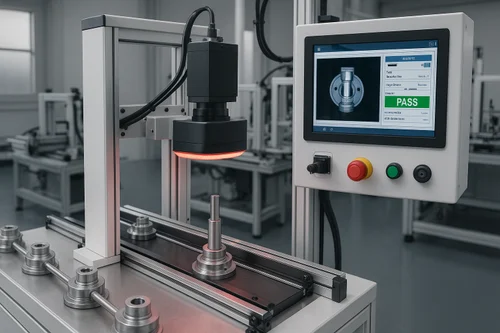
Before diving into calculations, it’s important to clarify what sets AI-powered inspection apart from traditional methods. These systems use machine learning and computer vision to analyze images or sensor data, identifying defects, anomalies, or process deviations in real time. Compared to manual or rule-based inspection, AI solutions offer:
- Consistent, objective evaluation with minimal human error
- Faster throughput and reduced bottlenecks
- Scalability for complex or high-volume production lines
- Continuous improvement as algorithms learn from new data
- Comprehensive traceability and reporting capabilities
These benefits can translate into tangible financial gains, but quantifying them requires a structured approach.

Key Factors in Assessing ROI for AI Inspection Solutions
Calculating the return on investment for AI-based inspection involves comparing the total costs of implementation and operation against the measurable benefits over a defined period. Here are the primary variables to consider:
1. Initial and Ongoing Costs
- Hardware and Software: Cameras, sensors, computing infrastructure, and licensing fees.
- Integration: Customization, system integration, and deployment costs.
- Training: Time and resources for onboarding staff and configuring algorithms.
- Maintenance: Updates, support, and potential retraining of models as production evolves.
2. Direct Financial Benefits
- Labor Savings: Reduced need for manual inspection personnel.
- Yield Improvement: Fewer false rejects and missed defects, leading to higher-quality output.
- Reduced Scrap and Rework: Early detection prevents costly downstream corrections.
- Faster Throughput: Increased line speed and capacity utilization.
- Lower Warranty and Recall Costs: Improved quality reduces field failures and customer complaints.
3. Indirect and Strategic Gains
- Data-Driven Insights: Enhanced process monitoring enables continuous improvement.
- Regulatory Compliance: Automated traceability supports audits and certifications.
- Competitive Advantage: Faster time-to-market and better reputation for quality.
Step-by-Step Guide to Calculating ROI for AI Inspection
To accurately evaluate the roi of ai-driven inspection systems, follow these steps:
- Define the Baseline: Document current inspection costs, defect rates, throughput, and scrap/rework expenses. This establishes a point of comparison.
- Estimate AI System Costs: Add up all upfront and recurring expenses, including hardware, software, integration, and maintenance.
- Project Financial Benefits: Calculate expected savings in labor, improved yield, reduced scrap, and any other quantifiable gains. Use pilot data or industry benchmarks if available.
- Calculate Payback Period: Divide total investment by annual net savings to determine how quickly the system will pay for itself.
-
Compute ROI Percentage: Use the formula:
ROI (%) = [(Total Benefits – Total Costs) / Total Costs] × 100
For example, if an AI inspection solution costs $200,000 to implement and yields $100,000 in annual savings, the payback period is two years, and the ROI after three years would be 50%.
Best Practices for Maximizing Returns from AI Inspection
Achieving the highest possible return depends on more than just the initial calculation. Consider these strategies:
- Start with High-Impact Use Cases: Focus on processes where defects are costly or frequent.
- Leverage Continuous Learning: Regularly retrain AI models with new data to improve accuracy and adapt to process changes.
- Integrate with Digital Twins: Combining AI inspection with digital twins and ai inspection systems can further optimize production and predictive maintenance.
- Monitor and Adjust: Track performance metrics and refine system parameters to ensure ongoing value.
- Engage Stakeholders: Involve operators, engineers, and management early to drive adoption and maximize impact.
Common Challenges and How to Overcome Them
While the potential for strong returns is clear, several obstacles can affect the outcome:
- Data Quality: Poor or inconsistent data can limit AI effectiveness. Invest in robust data collection and labeling.
- Change Management: Resistance from staff can slow adoption. Provide training and emphasize the benefits.
- Integration Complexity: Legacy systems may require custom interfaces or upgrades.
- Overestimating Benefits: Use conservative estimates and validate assumptions with pilot projects.
For a deeper look at how AI is transforming quality control, see this overview of AI’s benefits in inspection and quality control.
Comparing AI Inspection to Other Quality Control Approaches
When evaluating investment in AI-enabled inspection, it’s helpful to compare with other modern quality control strategies. For instance, predictive maintenance vs reactive inspection explores how proactive monitoring can further reduce costs and downtime. Similarly, understanding what is anomaly detection in manufacturing can help identify additional opportunities for automation and process improvement.
FAQ: ROI of AI-Driven Inspection Systems
What is the typical payback period for AI-based inspection solutions?
The payback period varies depending on the scale of deployment, existing process inefficiencies, and the value of defects avoided. Many manufacturers report payback within 1–3 years, especially when targeting high-volume or high-cost defect areas.
How can I ensure my ROI calculations are accurate?
Use real production data whenever possible. Start with a pilot project to gather baseline metrics, and update your calculations as you collect more information. Include all relevant costs, not just hardware and software, and revisit your assumptions regularly.
Are there benefits beyond direct financial returns?
Yes. In addition to measurable savings, AI inspection can enhance traceability, support compliance, improve customer satisfaction, and provide valuable data for continuous improvement. These strategic benefits often contribute to long-term competitiveness.
Where can I learn more about related technologies?
For further reading, explore topics such as how convolutional neural networks find defects and the benefits of automated surface inspection for a broader perspective on industrial AI applications.