
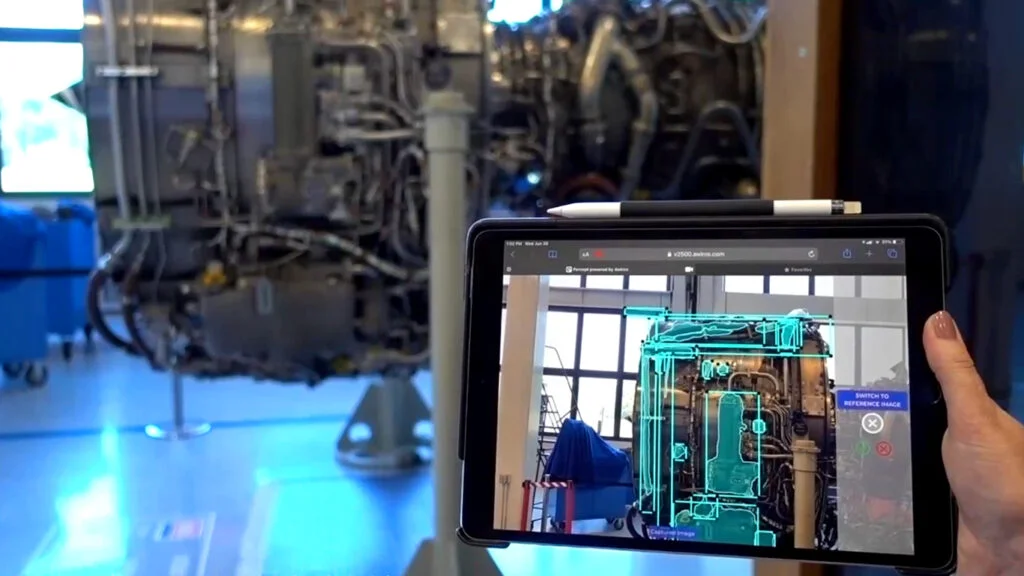
Optical character recognition in inspection is rapidly transforming how industries handle data entry, quality control, and compliance. By automating the extraction of text from images, labels, and handwritten notes, OCR technology streamlines inspection workflows, reduces manual errors, and accelerates decision-making. As organizations strive for higher productivity and regulatory adherence, integrating OCR into inspection processes has become a strategic advantage.
This article explores how OCR is applied in inspection environments, the benefits and challenges, and practical considerations for successful implementation. We’ll also highlight related advancements in AI-driven inspection and provide resources for further exploration.
For those interested in keeping AI models effective over time, consider reviewing retraining strategies for ai inspection to understand how continuous learning supports robust inspection systems.
How OCR Enhances Inspection Data Entry
In industrial and manufacturing settings, inspections generate vast amounts of data—ranging from serial numbers and batch codes to handwritten notes and checklists. Traditionally, this information was entered manually, leading to delays and the risk of transcription errors. Optical character recognition in inspection automates this process by converting printed or handwritten text into machine-readable data, directly from photos, scanned documents, or live camera feeds.
OCR engines use advanced algorithms to identify characters, words, and even complex layouts. When integrated with inspection systems, OCR can:
- Capture data from labels, forms, and tags in real time
- Validate entries against databases to ensure accuracy
- Trigger alerts for discrepancies or missing information
- Enable seamless digital recordkeeping for audits and compliance

Key Benefits of Automated Data Capture
Integrating OCR into inspection workflows delivers several measurable advantages:
- Efficiency: Automated data entry significantly reduces the time required to process inspection results, allowing teams to focus on higher-value tasks.
- Accuracy: By eliminating manual transcription, OCR minimizes human errors and ensures that records are consistent and reliable.
- Compliance: Digital capture supports traceability and audit readiness, making it easier to meet regulatory requirements.
- Cost Savings: Reduced labor and fewer mistakes translate into lower operational costs and improved resource allocation.
For organizations aiming to further enhance inspection quality, leveraging high-resolution imaging for ai models can provide clearer inputs for OCR and other AI-driven inspection tools.
Applications Across Industries
The use of optical character recognition in inspection is not limited to a single sector. Its versatility makes it valuable in a range of industries, including:
- Manufacturing: Reading part numbers, lot codes, and quality checklists directly from production lines.
- Pharmaceuticals: Ensuring correct labeling and documentation for regulatory compliance.
- Automotive: Verifying VIN numbers and component labels during assembly and final inspection.
- Aerospace: Digitizing maintenance logs and inspection reports for aircraft components.
- Food & Beverage: Tracking expiration dates and batch information for safety and traceability.
In each case, OCR reduces paperwork, accelerates reporting, and supports digital transformation initiatives.
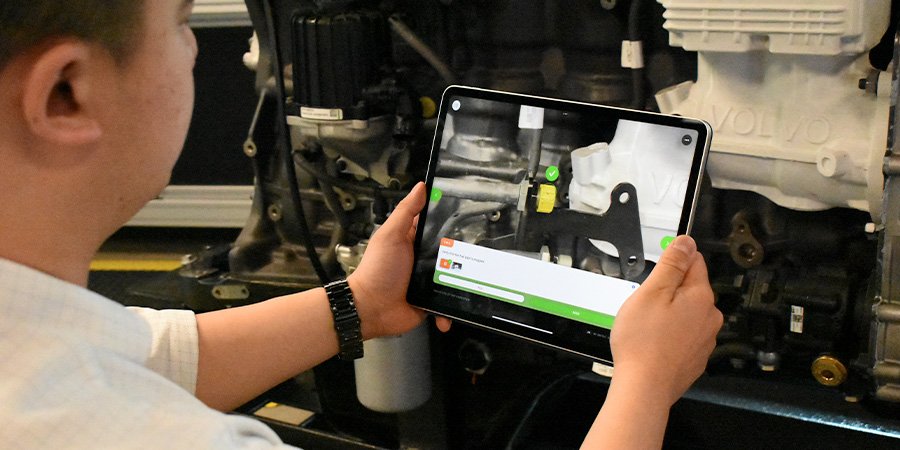
Challenges and Considerations for Implementation
While the benefits are clear, deploying OCR in inspection environments does require careful planning. Some common challenges include:
- Image Quality: Poor lighting, low resolution, or obstructed text can reduce recognition accuracy. Using high-quality cameras and ensuring proper setup is essential.
- Varied Fonts and Handwriting: OCR engines may struggle with unusual fonts, damaged labels, or cursive handwriting. Training and tuning the system for specific use cases can help.
- Integration: Seamless connection with existing inspection software, databases, and reporting tools is necessary for maximum efficiency.
- Data Security: Sensitive information must be handled according to data protection standards, especially in regulated industries.
For those interested in the next wave of AI-powered inspection, exploring vision transformers for industrial use reveals how deep learning models are enhancing both OCR and broader visual analysis capabilities.
Best Practices for Successful OCR Adoption
To maximize the value of optical character recognition in inspection processes, organizations should consider the following best practices:
- Assess Workflow Needs: Identify which inspection steps generate the most manual data entry and prioritize those for automation.
- Choose the Right Technology: Evaluate OCR solutions based on accuracy, speed, language support, and compatibility with your environment.
- Pilot and Validate: Run pilot projects to measure performance, gather feedback, and fine-tune the system before full deployment.
- Train Staff: Ensure that inspectors and operators understand how to capture quality images and verify OCR results.
- Monitor and Improve: Continuously monitor OCR performance and update the system as new document types or inspection requirements emerge.
For organizations developing their own AI-powered inspection tools, generative ai for inspection training can help create robust datasets for training and validation.
AI and the Future of Inspection Data Entry
OCR is just one component of a broader trend toward AI-driven inspection. As machine learning and computer vision technologies advance, inspection systems are becoming more autonomous, accurate, and adaptable. For example, reinforcement learning techniques are now being applied to robotic inspection processes, enabling systems to learn optimal inspection strategies over time. More information on these advancements can be found in resources such as reinforcement learning in robotic inspection.
Additionally, the integration of OCR with other AI tools—such as anomaly detection, predictive maintenance, and real-time analytics—enables organizations to achieve higher levels of quality assurance and operational efficiency.
For a broader perspective on the impact of artificial intelligence in quality assurance, this overview of AI’s benefits in quality assurance provides useful context and examples.
FAQ: OCR in Inspection Workflows
How accurate is OCR for inspection data entry?
Modern OCR systems can achieve accuracy rates above 95% with high-quality images and standardized text formats. However, accuracy may decrease with poor lighting, low-resolution images, or handwritten notes. Regular system tuning and the use of high-resolution imaging can further improve results.
What types of inspection documents can OCR process?
OCR can handle a wide range of documents, including printed labels, barcodes, serial numbers, checklists, forms, and even some handwritten notes. The effectiveness depends on the clarity of the text and the capabilities of the OCR engine.
Is OCR suitable for regulated industries?
Yes, OCR is widely used in regulated sectors such as pharmaceuticals, aerospace, and food production. It supports compliance by providing accurate, traceable digital records. However, organizations must ensure that data security and privacy standards are maintained when implementing OCR solutions.
Conclusion
Adopting optical character recognition in inspection workflows offers tangible improvements in efficiency, accuracy, and compliance. As industries continue to digitize and automate, OCR will remain a foundational technology for data entry and quality assurance. By understanding its capabilities, challenges, and best practices, organizations can unlock new levels of productivity and reliability in their inspection processes.