
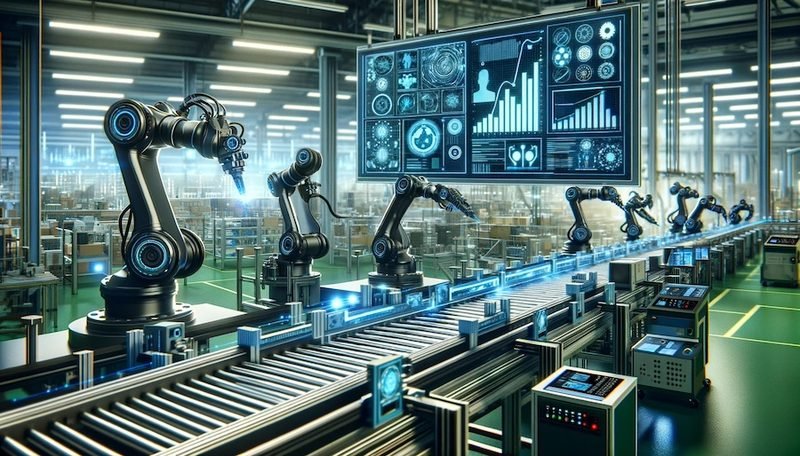
In today’s rapidly evolving industrial landscape, the demand for adaptive manufacturing quality control is at an all-time high. As manufacturers shift toward flexible production lines to accommodate diverse product mixes and fluctuating customer demands, ensuring consistent quality becomes increasingly complex. Traditional quality assurance methods often fall short in these dynamic environments, making it essential to adopt smarter, more responsive approaches.
Modern factories are embracing digital transformation, integrating real-time monitoring, artificial intelligence, and automation to maintain high standards across variable workflows. This article explores how adaptive quality control systems are redefining manufacturing efficiency, minimizing defects, and supporting continuous improvement in flexible production settings.
For organizations seeking to optimize their processes, leveraging next generation quality monitoring systems can provide a competitive edge by enabling smarter, data-driven decisions early in the production cycle.
Understanding Adaptive Quality Control in Manufacturing
Adaptive manufacturing quality control refers to the use of advanced technologies and data analytics to adjust inspection and assurance processes in real time. Unlike static quality checks, adaptive systems respond to changing production variables—such as product type, batch size, or equipment status—by modifying inspection criteria and workflows on the fly.
Key components of adaptive quality control include:
- Sensor integration for continuous data collection
- Machine learning algorithms that identify patterns and predict defects
- Automated feedback loops to adjust parameters instantly
- Cloud-based analytics for centralized monitoring and reporting
These elements work together to ensure that every product meets quality standards, even as production lines switch between different models or configurations.
Why Flexibility Demands Smarter Quality Assurance
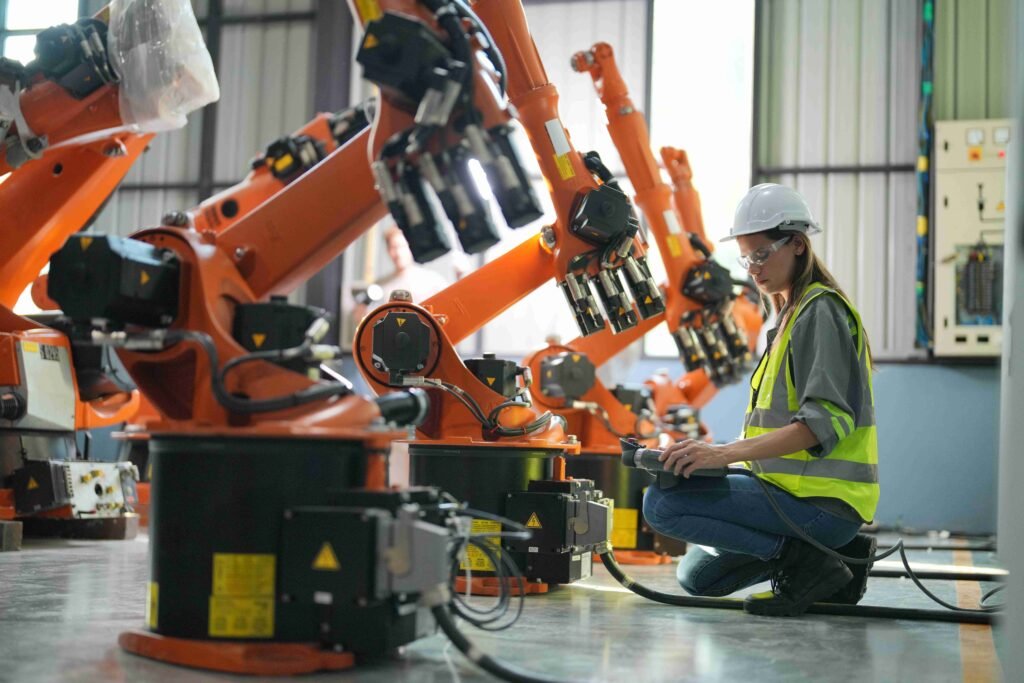
Flexible manufacturing lines are designed to handle a variety of products with minimal downtime between changeovers. While this agility is crucial for meeting customer expectations and reducing lead times, it introduces new challenges for quality control:
- Frequent product changes increase the risk of process drift and inconsistencies.
- Manual inspections become less effective as complexity grows.
- Static sampling plans may miss defects unique to certain product variants.
Adaptive systems address these issues by tailoring inspection protocols to the specific requirements of each run. For example, if a line switches from producing automotive components to consumer electronics, the quality control system can automatically adjust its criteria, ensuring that each product type is evaluated appropriately.
Core Technologies Powering Adaptive Quality Control
Several technological advancements have made adaptive quality control feasible and effective in flexible manufacturing environments:
- Artificial Intelligence (AI) and Machine Learning: These technologies analyze vast amounts of production data, learning to recognize patterns associated with defects or process deviations. Over time, AI-driven systems become more accurate in predicting and preventing quality issues.
- Vision Systems: High-resolution cameras and image processing algorithms enable automated, non-contact inspection of products at high speeds. These systems can detect surface flaws, dimensional errors, and assembly mistakes that might be missed by the human eye.
- Industrial Internet of Things (IIoT): Connected sensors and devices collect real-time data from machines, tools, and products. This information feeds into centralized platforms for analysis and decision-making.
- Cloud-Based Analytics: Centralizing data storage and processing in the cloud allows for scalable, enterprise-wide quality monitoring. Manufacturers can benchmark performance across multiple lines or facilities and implement best practices universally.
To learn more about the benefits of real-time monitoring in manufacturing, see this comprehensive overview of real-time monitoring benefits.
Benefits of Adaptive Quality Control for Flexible Production Lines
Implementing adaptive quality control systems delivers a range of advantages for manufacturers operating flexible lines:
- Reduced Defects and Scrap: By catching issues early and adjusting processes in real time, adaptive systems minimize the number of defective products and reduce material waste.
- Faster Changeovers: Automated adjustment of inspection criteria streamlines transitions between product types, reducing downtime and improving overall equipment effectiveness.
- Improved Traceability: Detailed data collection enables root cause analysis and supports compliance with industry regulations.
- Enhanced Productivity: Operators spend less time on manual inspections and rework, allowing them to focus on higher-value tasks.
These benefits contribute directly to higher customer satisfaction, lower operational costs, and a stronger competitive position in the market.
Implementing Adaptive Quality Control: Best Practices
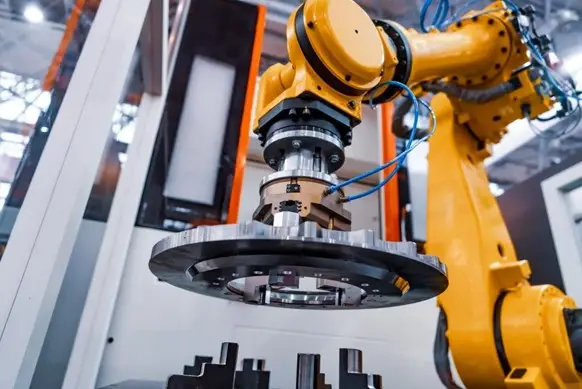
Transitioning to adaptive quality control requires careful planning and a commitment to continuous improvement. Here are some best practices for successful implementation:
- Assess Current Capabilities: Evaluate existing inspection processes, data infrastructure, and workforce skills to identify gaps and opportunities for automation.
- Start with Pilot Projects: Implement adaptive systems on a single line or product family to validate benefits and refine workflows before scaling up.
- Integrate with Existing Systems: Ensure new quality control technologies can communicate with manufacturing execution systems (MES), enterprise resource planning (ERP), and other digital tools.
- Train Staff: Equip operators and engineers with the knowledge to interpret data, respond to alerts, and maintain adaptive systems.
- Monitor and Optimize: Continuously review performance metrics and adjust algorithms or inspection criteria as needed to address emerging challenges.
For further insights on tracking and optimizing manufacturing performance, consider exploring manufacturing performance indicators and how they relate to adaptive quality initiatives.
Challenges and Solutions in Adaptive Quality Assurance
While adaptive quality control offers significant benefits, it also presents certain challenges:
- Data Overload: The sheer volume of information generated by sensors and vision systems can be overwhelming. Prioritizing actionable insights and filtering out noise is critical.
- Integration Complexity: Connecting new technologies with legacy equipment and software may require custom interfaces or middleware solutions.
- Change Management: Shifting from manual to automated quality assurance can face resistance from staff. Clear communication and training are essential for buy-in.
Manufacturers can overcome these obstacles by partnering with experienced solution providers, investing in scalable platforms, and fostering a culture of innovation and learning.
Measuring Success: Key Metrics for Adaptive Quality Systems
To evaluate the effectiveness of adaptive quality control, manufacturers should track a range of performance indicators, such as:
- First pass yield (FPY)
- Defect rates by product type or shift
- Response time to quality incidents
- Scrap and rework costs
- Overall equipment effectiveness (OEE)
Implementing robust quality KPI tracking systems ensures that improvements are sustained and aligned with business objectives.
FAQ: Adaptive Quality Control for Flexible Manufacturing
How does adaptive quality control differ from traditional methods?
Traditional quality assurance relies on fixed inspection routines and sampling plans, which may not account for variations in flexible production lines. Adaptive systems, by contrast, use real-time data and intelligent algorithms to adjust inspection criteria dynamically, ensuring consistent quality across diverse products and workflows.
What industries benefit most from adaptive quality control?
Industries with high product variability or frequent changeovers—such as automotive, electronics, consumer goods, and medical devices—see the greatest advantages from adaptive quality control. These sectors require rapid response to shifting demands while maintaining strict quality standards.
Can adaptive quality control help reduce downtime?
Yes, adaptive systems can minimize downtime by streamlining changeovers and quickly identifying process deviations before they escalate. For more on this topic, see strategies for downtime reduction through quality monitoring.
Conclusion
As manufacturing becomes more flexible and customer expectations rise, adaptive quality control is essential for maintaining high standards and operational efficiency. By leveraging AI, real-time monitoring, and automated feedback, manufacturers can ensure that every product meets specifications—no matter how often the line changes. Investing in these advanced systems not only reduces defects and costs but also positions organizations for long-term success in a competitive market.