
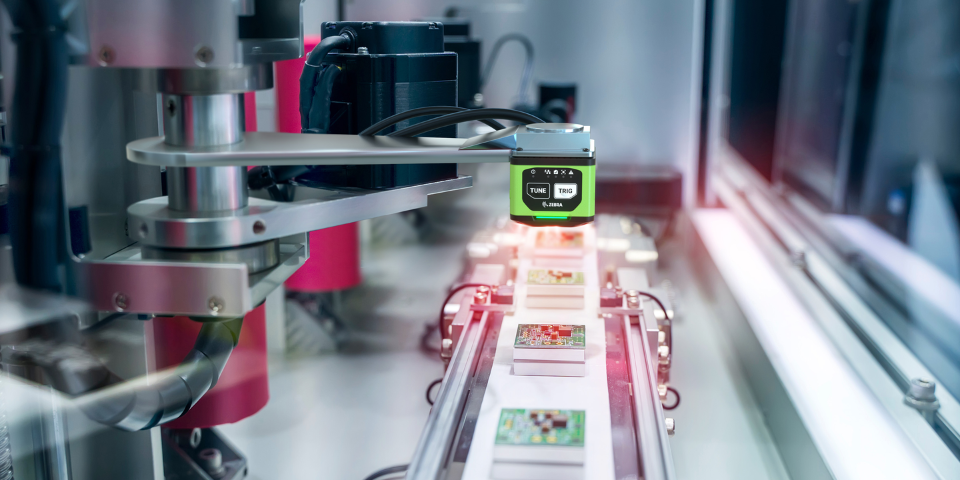
As industries accelerate their adoption of artificial intelligence for quality control and defect detection, understanding the ai inspection system requirements becomes essential for successful deployment. These intelligent solutions promise improved accuracy, efficiency, and scalability, but only when implemented with the right foundation. This article explores the technical, operational, and organizational prerequisites for integrating AI-driven inspection into manufacturing and related sectors.
Before diving into the specifics, it’s important to recognize that the journey to a robust AI inspection setup involves more than just choosing a model or camera. From data readiness and hardware compatibility to compliance and ongoing maintenance, each requirement plays a pivotal role in achieving reliable, scalable results.
For organizations looking to maintain peak performance, exploring retraining strategies for ai inspection early in the process can help ensure models remain accurate as production lines evolve.
Key Technical Prerequisites for AI Inspection Deployment
To lay the groundwork for a successful AI-powered inspection system, several technical elements must be addressed. These foundational requirements ensure that the system can process data efficiently and deliver actionable insights in real time.
Data Quality and Availability
The backbone of any AI inspection solution is high-quality, representative data. Systems require:
- Large, labeled datasets that cover all relevant defect types, product variations, and environmental conditions.
- Consistent data acquisition protocols to minimize variability in image or sensor inputs.
- Secure storage and easy retrieval mechanisms for training, validation, and ongoing monitoring.
Organizations facing challenges in this area may benefit from guidance on overcoming data scarcity in inspection, which covers techniques for augmenting and synthesizing training data.
Hardware and Infrastructure Compatibility
AI inspection systems demand robust hardware to process images or sensor data at production speeds. Key considerations include:
- High-resolution cameras or sensors tailored to the inspection task.
- Edge computing devices or servers with sufficient GPU/CPU resources for real-time inference.
- Reliable network connectivity for data transfer and remote monitoring.
Proper alignment between hardware and AI models is critical for minimizing latency and maximizing throughput.
Integration with Existing Production Systems
Seamless integration with manufacturing execution systems (MES), programmable logic controllers (PLCs), and quality management platforms is essential. This ensures:
- Automated data flow between inspection, production, and reporting modules.
- Minimal disruption to established workflows.
- Scalability as production lines expand or change.
Operational and Process-Oriented Requirements
Beyond technology, operational readiness is a cornerstone of effective AI inspection adoption. These requirements ensure the solution delivers value and remains sustainable over time.
Standardized Inspection Protocols
Clear, repeatable inspection procedures are vital for both human and AI-driven systems. Standardization helps:
- Reduce false positives and negatives by minimizing process variability.
- Enable consistent data collection for model training and validation.
- Facilitate troubleshooting and continuous improvement.
Change Management and Workforce Training
Introducing AI inspection often changes job roles and workflows. Effective change management includes:
- Training operators and engineers on system operation and basic troubleshooting.
- Establishing feedback loops between production teams and AI developers.
- Communicating the benefits and limitations of AI-based inspection to all stakeholders.
For teams working with limited data, exploring small dataset training for ai inspection can provide practical tips for maximizing model performance with minimal resources.
Traceability and Compliance
Many industries require detailed traceability from raw materials to finished goods. AI inspection systems must support:
- Automated logging of inspection results, timestamps, and operator actions.
- Integration with traceability platforms for end-to-end visibility.
- Compliance with regulatory standards and audit requirements.
For a deeper look at how AI supports traceability, see this resource on traceability in ai-driven manufacturing.

AI Model and Algorithmic Considerations
The choice and maintenance of AI models are central to inspection performance. Several requirements should be addressed to ensure reliability and adaptability.
Model Selection and Validation
Choosing the right AI architecture is crucial. Considerations include:
- Suitability for the specific inspection task (e.g., object detection, anomaly detection, classification).
- Ability to generalize across product variants and changing conditions.
- Validation using real-world production data, not just lab samples.
Emerging technologies such as vision transformers for industrial use are expanding the possibilities for complex inspection tasks.
Continuous Learning and Maintenance
AI models require ongoing monitoring and periodic retraining to maintain accuracy. Key practices include:
- Automated performance tracking and alerting for drift or degradation.
- Scheduled retraining using new production data.
- Version control and rollback capabilities for model updates.
Developing a robust process for continuous improvement is essential for long-term success.
Security, Privacy, and Ethical Considerations
With increased connectivity and data collection, security and privacy become critical requirements. Organizations must ensure:
- Secure transmission and storage of sensitive production and inspection data.
- Compliance with data protection regulations relevant to their industry and region.
- Transparent AI decision-making to support ethical manufacturing practices.
For more on how AI is transforming quality control and the broader implications, see this overview of AI quality control in manufacturing.
Common Challenges and How to Address Them
Even with careful planning, organizations may encounter obstacles during implementation. Some of the most frequent challenges include:
- Data scarcity: Addressed through data augmentation, synthetic data generation, or transfer learning.
- Integration complexity: Mitigated by working with vendors who offer open APIs and robust support.
- Model drift: Managed by establishing regular evaluation and retraining cycles.
- Change resistance: Overcome by involving stakeholders early and providing ongoing training.
By anticipating these hurdles and planning accordingly, organizations can accelerate their path to a fully operational AI inspection solution.
FAQ: AI Inspection System Fundamentals
What are the most important data requirements for AI inspection?
High-quality, labeled datasets that accurately represent the range of products and defects are essential. Consistent data collection protocols and secure storage are also critical for effective model training and validation.
How do AI inspection systems integrate with existing manufacturing processes?
Integration typically involves connecting the AI solution to MES, PLCs, and quality management platforms. This enables automated data flow, real-time alerts, and seamless reporting without disrupting established workflows.
What ongoing maintenance is needed for AI inspection solutions?
Regular monitoring for performance drift, scheduled retraining with new data, and version control for model updates are all necessary to maintain accuracy and reliability over time.
How can organizations address data scarcity when implementing AI inspection?
Techniques such as data augmentation, synthetic data generation, and leveraging transfer learning can help organizations build effective models even with limited original data.
Are there specific compliance or traceability requirements for AI inspection in regulated industries?
Yes, many industries require detailed logging of inspection results, integration with traceability systems, and adherence to regulatory standards for data handling and reporting.
By addressing these ai inspection system requirements from the outset, organizations can build a strong foundation for reliable, scalable, and compliant AI-powered quality control.