
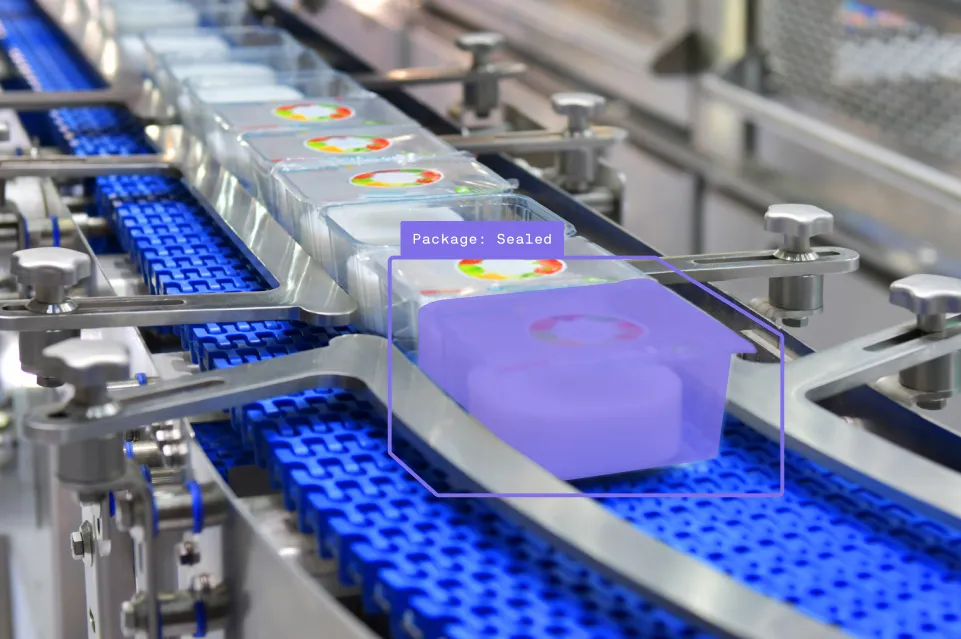
As manufacturing continues to evolve, the integration of advanced technologies is reshaping how quality assurance is managed on the factory floor. The coming years will see significant shifts in how factories leverage data, automation, and artificial intelligence to enhance product consistency and operational efficiency. This article explores the most influential smart factory quality control trends set to define 2026, providing insights for manufacturers aiming to stay competitive and compliant in a rapidly changing landscape.
For those interested in the intersection of digital modeling and AI-driven inspection, our recent analysis of digital twins and ai inspection systems offers a deeper look at how these technologies are transforming industrial quality processes.
AI-Driven Inspection and Automated Defect Detection
Artificial intelligence is rapidly becoming a cornerstone of modern quality control. Machine learning algorithms, especially those based on deep learning, are now capable of identifying subtle defects and anomalies that traditional visual inspection might miss. These systems can process vast amounts of image and sensor data in real time, enabling faster and more accurate decision-making.
For example, convolutional neural networks (CNNs) are being widely adopted for their ability to detect complex surface defects. If you want to understand more about how these models operate in industrial environments, our article on how convolutional neural networks find defects provides a technical overview.
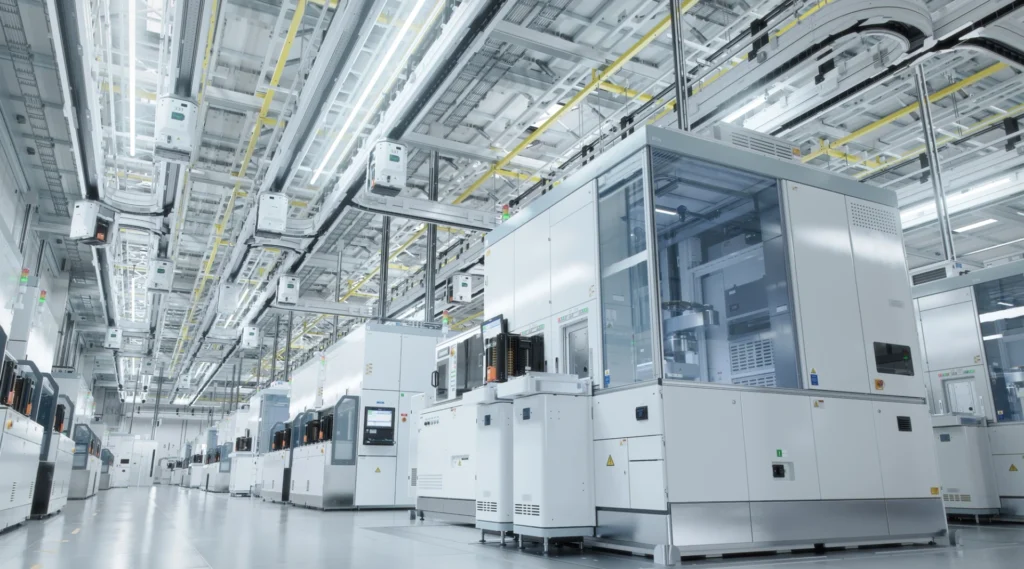
Real-Time Data Analytics and Predictive Insights
The ability to collect and analyze data in real time is transforming quality management. By connecting sensors, cameras, and machines to centralized platforms, manufacturers can monitor production quality continuously and respond instantly to deviations. This proactive approach not only reduces the risk of defective products reaching customers but also minimizes waste and downtime.
Predictive analytics is another major development. By analyzing historical and live data, these systems can forecast potential failures or quality issues before they occur. This shift from reactive to predictive quality control is a key driver for operational excellence. For a comparison of predictive and reactive approaches, see our discussion on predictive maintenance vs reactive inspection.
Integration of Digital Twins in Quality Control
Digital twins—virtual replicas of physical assets—are gaining traction as a tool for simulating and optimizing manufacturing processes. By mirroring real-world conditions, digital twins allow engineers to test quality control strategies, identify bottlenecks, and refine inspection protocols without disrupting actual production lines.
This technology enables continuous improvement and supports the development of more resilient and adaptable quality systems. The synergy between digital twins and advanced inspection systems is expected to accelerate as factories seek to maximize efficiency and minimize errors.
Advanced Surface Inspection Technologies
Surface inspection is evolving rapidly, with new technologies offering higher accuracy and speed. Automated optical inspection (AOI) systems now leverage high-resolution cameras, multispectral imaging, and AI to detect even the smallest surface imperfections. These advancements are especially valuable for industries such as electronics, automotive, and pharmaceuticals, where surface quality is critical.
The benefits of automated surface inspection include reduced labor costs, improved consistency, and faster feedback loops. For a comprehensive look at these advantages, refer to our article on the benefits of automated surface inspection.

Edge Computing and Decentralized Quality Monitoring
As the volume of data generated by smart factories grows, processing everything in the cloud becomes less practical. Edge computing addresses this by enabling data analysis directly at the source—on machines or local devices—reducing latency and improving response times. This decentralized approach ensures that quality control decisions can be made instantly, even in environments with limited connectivity.
Edge-based quality monitoring is particularly valuable for high-speed production lines, where even milliseconds matter. It also enhances data privacy and security by keeping sensitive information within the factory network.
Enhanced Traceability and Compliance Through Blockchain
Ensuring product traceability and regulatory compliance is a growing priority for manufacturers. Blockchain technology is emerging as a reliable solution for creating tamper-proof records of every step in the production process. By securely logging quality checks, material origins, and process changes, blockchain helps manufacturers demonstrate compliance and quickly respond to recalls or audits.
This level of transparency builds trust with customers and regulators while streamlining supply chain management.
Human-Machine Collaboration and Augmented Reality
While automation is central to many smart factory quality control trends, human expertise remains essential. Augmented reality (AR) tools are increasingly used to assist operators during inspections, providing real-time guidance, overlaying digital information, and enabling remote support. This collaboration between people and machines ensures that complex or ambiguous defects are addressed effectively.
AR-driven workflows also accelerate training and knowledge transfer, helping factories maintain high standards as workforces evolve.
Deep Learning and Visual Inspection Innovations
Deep learning continues to push the boundaries of automated visual inspection. New architectures and training methods are making it possible to detect previously undetectable flaws and adapt to changing product designs with minimal reprogramming. For a detailed exploration of these advancements, see this in-depth guide on the role of deep learning in advancing visual inspection.
These innovations are enabling factories to achieve higher yields, reduce false positives, and improve the overall reliability of automated inspection systems.
Adaptive Anomaly Detection and Continuous Learning
As products and processes become more complex, traditional rule-based quality checks can fall short. Adaptive anomaly detection, powered by AI, allows systems to learn from new data and identify patterns that indicate emerging quality issues. This approach supports continuous improvement and helps manufacturers respond quickly to unexpected changes.
For more on this topic, our resource on what is anomaly detection in manufacturing explains how these systems work and their impact on modern quality control.
FAQ: Smart Manufacturing Quality Control in 2026
What are the main benefits of adopting AI-based quality control in manufacturing?
AI-based quality control systems offer improved accuracy, faster defect detection, and the ability to process large volumes of data in real time. They help reduce manual inspection costs, minimize human error, and enable predictive maintenance, resulting in higher product quality and operational efficiency.
How does real-time data analytics improve quality assurance?
Real-time analytics allows manufacturers to monitor production continuously and respond instantly to quality deviations. This proactive approach helps prevent defective products from reaching customers, reduces waste, and supports continuous process optimization.
Why is traceability important in smart factory environments?
Traceability ensures that every step of the production process is documented and verifiable. This is crucial for regulatory compliance, quick response to recalls, and building customer trust. Technologies like blockchain enhance traceability by providing secure, tamper-proof records.
How do digital twins contribute to better quality control?
Digital twins enable manufacturers to simulate and optimize quality control strategies virtually, reducing the need for costly physical trials. They help identify potential issues before they impact production and support continuous improvement initiatives.