
In the rapidly evolving world of manufacturing and industrial operations, finding the best tools to improve production efficiency is more important than ever. Companies are under constant pressure to deliver higher quality products, reduce costs, and adapt quickly to market changes. To stay competitive, organizations must leverage advanced technologies and proven strategies that streamline processes, minimize waste, and maximize output.
This article explores a range of solutions—from automation and data analytics to quality control and traceability systems—that can transform your production line. We’ll also highlight how integrating modern tools can address challenges such as data scarcity and the need for continuous improvement in AI-driven environments. For those interested in optimizing AI inspection processes, insights on retraining strategies for AI inspection provide valuable context for staying ahead in smart manufacturing.

Key Technologies Driving Modern Production Efficiency
The landscape of industrial efficiency has shifted dramatically with the advent of digitalization and automation. Today, manufacturers can choose from an array of solutions designed to optimize every stage of the production process. Below, we examine several categories of tools that are making a significant impact.
Automation and Robotics: Streamlining Repetitive Tasks
Automation remains a cornerstone for boosting output and reducing human error. Robotic systems can handle repetitive, hazardous, or highly precise tasks, freeing up human workers for more complex responsibilities. Industrial robots, for example, are widely used in assembly, welding, and packaging, delivering consistent results at high speed.
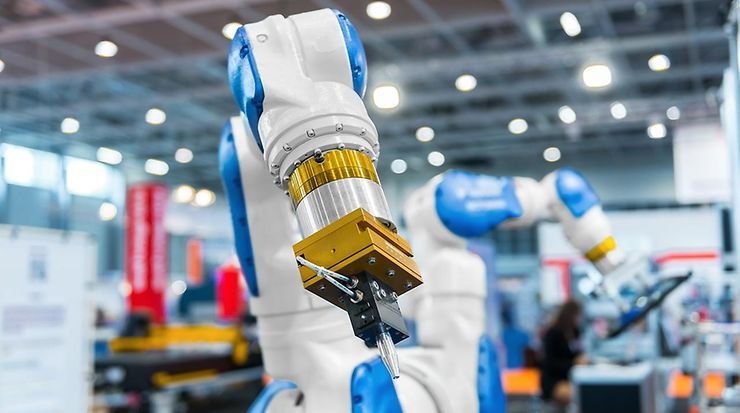
- Collaborative robots (cobots) work alongside humans, increasing flexibility and safety.
- Automated guided vehicles (AGVs) streamline material handling and logistics within factories.
- Programmable logic controllers (PLCs) enable precise control of machinery and production lines.
By integrating these systems, companies can achieve higher throughput, reduced downtime, and improved workplace safety.
Data Analytics and Real-Time Monitoring for Smarter Decisions
The ability to collect, analyze, and act on production data is a game-changer for operational efficiency. Advanced analytics platforms and Industrial Internet of Things (IIoT) sensors provide real-time visibility into equipment performance, process bottlenecks, and resource utilization.
- Manufacturing Execution Systems (MES) track and document the transformation of raw materials to finished goods.
- Predictive maintenance tools use sensor data to anticipate equipment failures before they occur.
- Dashboards and reporting tools help managers identify trends and make data-driven decisions.
Implementing these technologies allows organizations to proactively address issues, reduce unplanned downtime, and optimize resource allocation.
Quality Control and Inspection: Ensuring Consistent Output
Maintaining high standards is essential for customer satisfaction and regulatory compliance. Modern quality control tools leverage artificial intelligence and machine vision to detect defects, measure tolerances, and ensure product consistency.
- AI-powered inspection systems can identify subtle flaws that might be missed by the human eye.
- Automated measurement tools provide precise, repeatable results for critical dimensions.
- Statistical process control (SPC) software monitors production data for early signs of deviation.
For organizations facing challenges with limited training data, strategies such as small dataset training for AI inspection offer practical solutions to maintain accuracy and efficiency.
Traceability Systems: Enhancing Transparency and Accountability
Traceability tools are vital for tracking materials, components, and finished products throughout the manufacturing lifecycle. These systems support regulatory compliance, facilitate recalls, and provide valuable insights for process improvement.
- Barcode and RFID tracking enable real-time monitoring of inventory and work-in-progress items.
- Digital traceability platforms integrate with ERP and MES systems for end-to-end visibility.
- Blockchain solutions offer secure, tamper-proof records for high-value or regulated industries.
Adopting robust traceability practices not only improves operational efficiency but also builds trust with customers and partners. For a deeper dive into this topic, see the article on traceability in AI-driven manufacturing.
Integrating AI and Machine Learning for Adaptive Production
Artificial intelligence is transforming how manufacturers approach process optimization. Machine learning algorithms can analyze vast amounts of production data, uncover hidden patterns, and recommend adjustments in real time. This adaptability is especially valuable in environments with frequent product changes or variable demand.
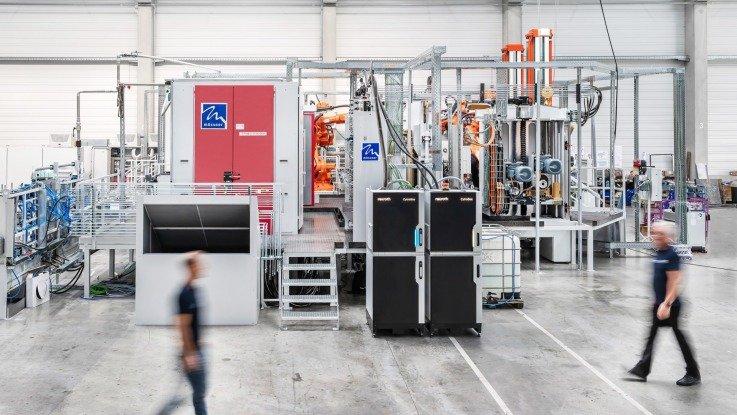
- Vision systems powered by deep learning can adapt to new defect types without extensive reprogramming.
- AI-driven scheduling tools optimize production sequences for maximum throughput and minimal changeover time.
- Continuous learning frameworks support ongoing improvement as new data becomes available.
Keeping AI models accurate and up-to-date is crucial. Manufacturers can benefit from exploring methods to overcome data scarcity in inspection and adopting vision transformers for industrial use to enhance inspection capabilities.
Best Practices for Selecting and Implementing Efficiency Tools
Choosing the right solutions for your facility involves careful evaluation and planning. Consider the following steps to ensure successful adoption:
- Assess current processes to identify bottlenecks, inefficiencies, and areas for improvement.
- Engage stakeholders from operations, IT, and management to define goals and requirements.
- Research available technologies and request demonstrations or pilot programs.
- Prioritize solutions that integrate seamlessly with existing systems and workflows.
- Invest in training and change management to support a smooth transition.
- Monitor performance metrics and adjust strategies based on real-world results.
For a comprehensive overview of efficiency concepts and actionable tips, refer to this guide on production efficiency and how to increase it.
FAQ: Production Efficiency Tools and Strategies
What are the most impactful tools for increasing production efficiency?
The most effective solutions often combine automation, real-time data analytics, and AI-powered quality control. Robotics streamline repetitive tasks, while analytics platforms provide actionable insights for process optimization. Integrating these tools with traceability and predictive maintenance systems delivers comprehensive improvements across the production line.
How can small manufacturers benefit from efficiency-enhancing technologies?
Smaller operations can start by adopting modular automation, cloud-based analytics, and digital traceability tools. These solutions offer scalability and flexibility without requiring large upfront investments. Focusing on targeted improvements—such as automating a single bottleneck or implementing basic quality control software—can yield significant gains.
What challenges should companies expect when implementing new production tools?
Common obstacles include integration with legacy systems, workforce resistance to change, and data quality issues. Addressing these challenges requires clear communication, comprehensive training, and a phased rollout strategy. Engaging stakeholders early and setting measurable goals helps ensure a smoother transition and long-term success.