
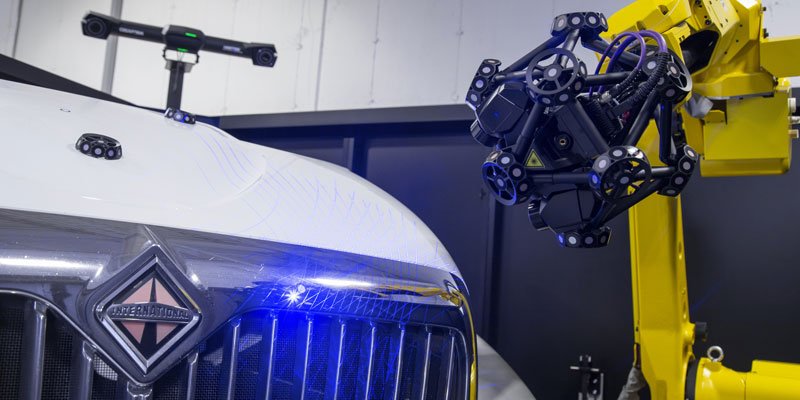
The manufacturing sector is undergoing a significant transformation, driven by advancements in artificial intelligence and automation. Among these, deep learning for quality inspection has emerged as a game-changer, enabling companies to achieve higher accuracy, speed, and consistency in their testing processes. By leveraging powerful neural networks, manufacturers can now detect defects, classify products, and ensure compliance with stringent quality standards in ways that were previously unimaginable.
This article explores how these intelligent systems are reshaping quality assurance, the core benefits they bring, and what it takes to implement them effectively. If you’re looking to optimize your plant’s performance, it’s also valuable to understand how manufacturing performance indicators tie into modern inspection strategies, providing a holistic view of operational excellence.
How AI-Powered Inspection Systems Work
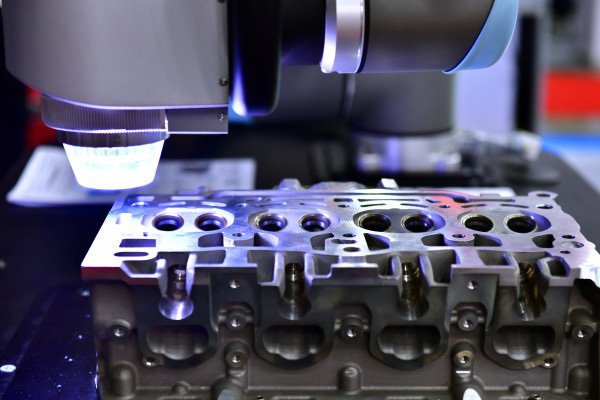
At the heart of modern inspection solutions are deep neural networks trained to analyze images, sensor data, or even 3D scans of manufactured parts. These systems learn from thousands—or even millions—of examples, enabling them to recognize subtle patterns and anomalies that traditional rule-based algorithms or human inspectors might miss.
The process typically involves:
- Capturing high-resolution images or sensor data from production lines
- Feeding this data into a trained deep learning model
- Classifying products as pass/fail or identifying specific types of defects
- Sending real-time feedback to operators or automated machinery for corrective action
This approach is especially effective for complex surfaces, variable lighting, or products with a high degree of visual variability—scenarios where traditional machine vision often struggles.
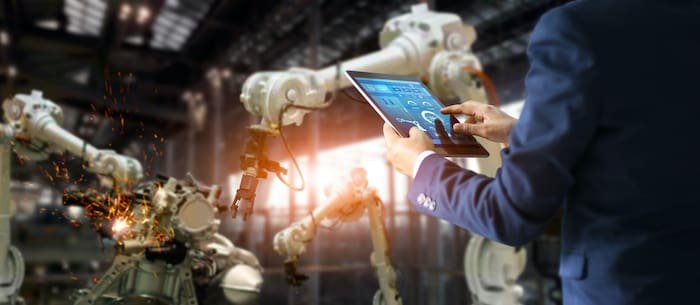
Key Benefits of Deep Learning in Quality Control
Adopting deep learning for quality inspection offers several tangible advantages over manual inspection and traditional automated systems:
- Higher Accuracy: Neural networks can spot minute defects and subtle inconsistencies, reducing false positives and negatives.
- Scalability: Once trained, these systems can process thousands of items per hour, supporting high-volume manufacturing without fatigue.
- Adaptability: Deep learning models can be retrained or fine-tuned as product designs evolve or new defect types emerge.
- Consistency: Automated inspection ensures uniform standards across shifts, lines, and facilities.
- Data-Driven Insights: The data collected can be analyzed to identify trends, recurring issues, and opportunities for process improvement.
For plants focused on continuous improvement, integrating these AI-driven tools with OEE monitoring and quality control systems can further boost efficiency and reduce waste.
Applications Across Industries
The versatility of deep learning-based inspection is evident across a range of sectors:
- Automotive: Detecting paint defects, weld quality, and assembly errors in real time.
- Electronics: Inspecting solder joints, PCB layouts, and component placement for micro-level faults.
- Pharmaceuticals: Verifying packaging integrity, label accuracy, and product uniformity to meet regulatory standards.
- Food & Beverage: Ensuring correct labeling, fill levels, and absence of contaminants.
- Consumer Goods: Checking for cosmetic flaws, missing parts, or incorrect assembly in high-speed production lines.
Challenges and Considerations for Implementation
While the benefits are substantial, deploying deep learning solutions for inspection is not without its hurdles. Companies must consider:
- Data Requirements: Training robust models requires large, diverse datasets of both good and defective products.
- Integration: Seamless connection with existing production equipment and IT infrastructure is essential for real-time operation.
- Expertise: Developing, training, and maintaining deep learning models often demands specialized skills in AI and data science.
- Cost: Initial investment in hardware (such as cameras and GPUs) and software development can be significant, though ROI is often realized through improved quality and reduced scrap.
- Change Management: Shifting from manual or rule-based inspection to AI-driven systems may require retraining staff and updating standard operating procedures.
To maximize the value of these systems, it’s important to align them with broader quality management initiatives, such as quality KPI tracking systems, ensuring that insights from inspection data drive actionable improvements across the organization.
Continuous Monitoring and Real-Time Feedback
A major advantage of AI-powered inspection is the ability to provide continuous monitoring throughout the production process. Unlike periodic sampling, these systems evaluate every item, catching defects as soon as they occur and minimizing the risk of defective batches reaching customers.
Real-time feedback loops enable immediate corrective actions—such as adjusting machine parameters or removing faulty items from the line—helping to maintain high quality standards and reduce costly rework or recalls.
Integrating Deep Learning with Plant-Wide Quality Strategies
To unlock the full potential of AI-driven inspection, manufacturers are increasingly integrating these tools with plant-wide quality and performance management systems. This holistic approach allows for:
- Correlating inspection results with production metrics to identify root causes of defects
- Automating reporting and compliance documentation
- Driving proactive maintenance and process optimization
- Supporting downtime reduction through quality monitoring and predictive analytics
By connecting inspection data with broader operational insights, organizations can move from reactive quality control to predictive and preventive strategies, ultimately enhancing customer satisfaction and profitability.
Best Practices for Adopting AI-Driven Inspection
For companies considering the adoption of deep learning-based inspection, several best practices can help ensure a successful rollout:
- Start with a Pilot Project: Begin with a specific product line or defect type to demonstrate value and build internal expertise.
- Invest in Data Collection: Gather comprehensive datasets representing all possible product variations and defect scenarios.
- Collaborate Across Teams: Involve quality, IT, production, and data science teams early to ensure alignment and smooth integration.
- Plan for Ongoing Improvement: Continuously monitor system performance and retrain models as new data becomes available.
- Prioritize User Training: Equip operators and engineers with the knowledge needed to interpret results and maintain the system.
FAQ
What types of defects can deep learning-based inspection systems detect?
These systems excel at identifying a wide range of defects, including surface scratches, dents, color inconsistencies, missing components, incorrect assembly, and more. Their ability to learn from data allows them to spot subtle or complex flaws that traditional methods might overlook.
How does deep learning compare to traditional machine vision in quality control?
While traditional machine vision relies on fixed rules and simple image processing, deep learning models can adapt to complex and variable scenarios. This results in higher detection accuracy, fewer false alarms, and greater flexibility when product designs or defect types change.
Is it possible to integrate AI-driven inspection with existing manufacturing systems?
Yes, most modern solutions are designed for seamless integration with existing production lines, MES, and ERP systems. This enables real-time data sharing, automated reporting, and enhanced traceability, supporting a unified approach to quality management.