
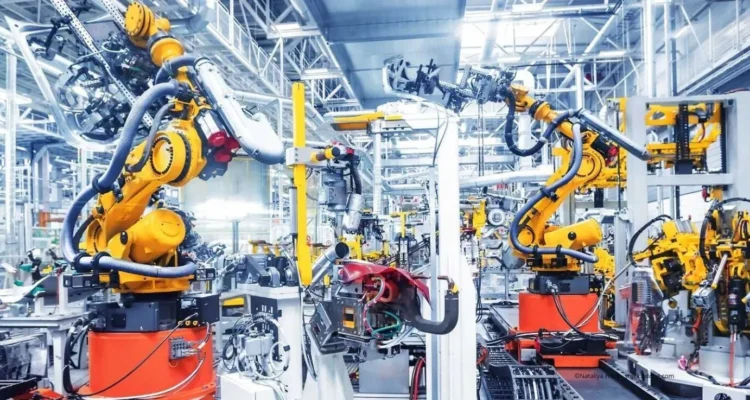
In manufacturing and industrial environments, the relationship between equipment health and quality correlation is a critical factor in achieving consistent production, minimizing downtime, and ensuring product excellence. When machines operate at peak condition, they not only reduce the risk of unexpected breakdowns but also help maintain high product standards. Understanding how equipment condition and product quality are interconnected is essential for plant managers, engineers, and quality professionals aiming to maximize uptime and operational efficiency.
By focusing on proactive maintenance and real-time monitoring, organizations can identify subtle signs of wear or malfunction before they escalate into costly failures. This approach not only safeguards machinery but also supports continuous improvement in quality outcomes. Integrating data-driven insights and aligning maintenance strategies with quality objectives can transform plant performance and deliver measurable business value.
For those seeking to benchmark and improve their plant’s performance, reviewing manufacturing performance indicators can provide valuable context and actionable metrics.
Why Equipment Condition Directly Impacts Product Quality
The state of production machinery is a fundamental driver of product consistency and defect rates. When equipment is well-maintained, it operates within designed tolerances, ensuring that every unit produced meets quality specifications. Conversely, neglected or deteriorating assets can introduce variability, leading to increased scrap, rework, and customer complaints.
Key ways in which equipment health influences quality outcomes include:
- Precision and repeatability: Worn components or misalignments can cause dimensional inaccuracies, affecting assembly and final product performance.
- Process stability: Fluctuations in temperature, pressure, or speed due to equipment issues can compromise material properties and surface finishes.
- Contamination risk: Leaks, lubrication failures, or debris from deteriorating parts can contaminate products, especially in regulated industries like food, pharma, or electronics.
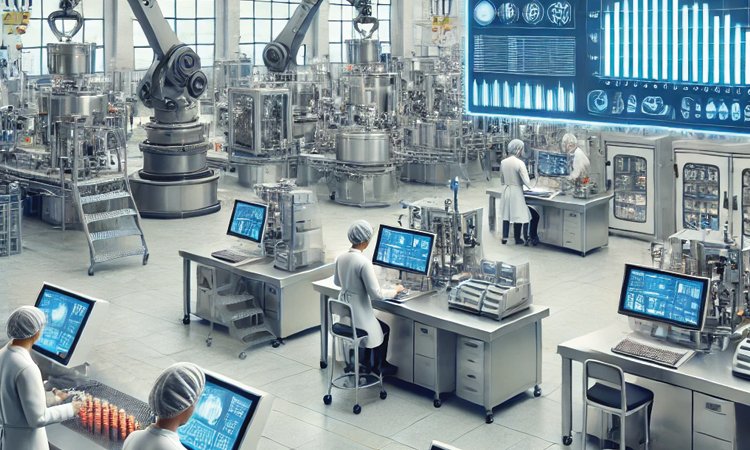
By prioritizing asset care, manufacturers can create a stable foundation for quality assurance and reduce the risk of costly recalls or compliance violations.
Strategies for Monitoring Equipment Health and Quality Correlation
To effectively manage the link between equipment condition and product outcomes, organizations are increasingly adopting integrated monitoring solutions. These systems combine sensor data, analytics, and quality metrics to provide a holistic view of plant performance.
Some proven strategies include:
- Predictive maintenance: Using vibration analysis, thermal imaging, and other sensor-based techniques to anticipate failures before they disrupt production.
- Automated quality checks: Inline inspection systems can detect deviations in real time, allowing for immediate corrective action and root cause analysis.
- Correlation dashboards: Visualizing data from both maintenance and quality systems helps teams spot patterns, such as increased defects following a lubrication issue or after a specific machine has been serviced.
For a deeper dive into how monitoring can enhance efficiency, explore the benefits of OEE monitoring and quality control in manufacturing environments.
Real-Time Data: The Key to Maximizing Uptime
One of the most significant advances in modern manufacturing is the ability to collect and analyze real-time data from equipment and production lines. This capability enables teams to respond quickly to emerging issues, minimizing unplanned downtime and safeguarding product quality.
Real-time monitoring offers several advantages:
- Immediate alerts: Teams can be notified instantly when equipment parameters drift outside acceptable ranges, allowing for rapid intervention.
- Continuous improvement: Historical data supports trend analysis and helps identify recurring problems, informing long-term maintenance and process optimization strategies.
- Resource allocation: Maintenance efforts can be prioritized based on actual equipment condition, reducing unnecessary interventions and focusing on the most critical assets.
For more on how real-time insights can transform operations, see this overview of real-time monitoring benefits in industrial settings.
Integrating Quality Metrics with Maintenance Programs
To fully leverage the connection between equipment health and product quality, it’s important to break down silos between maintenance and quality assurance teams. By sharing data and aligning objectives, organizations can create a culture of collaboration and continuous improvement.
Practical steps to integrate these functions include:
- Joint root cause analysis: When a quality issue arises, involving both maintenance and quality experts can uncover underlying equipment problems that might otherwise be missed.
- Shared KPIs: Tracking metrics such as mean time between failures (MTBF), defect rates, and first-pass yield together provides a more complete picture of plant health.
- Cross-functional training: Educating teams on the impact of equipment condition on quality outcomes fosters shared responsibility and proactive problem-solving.
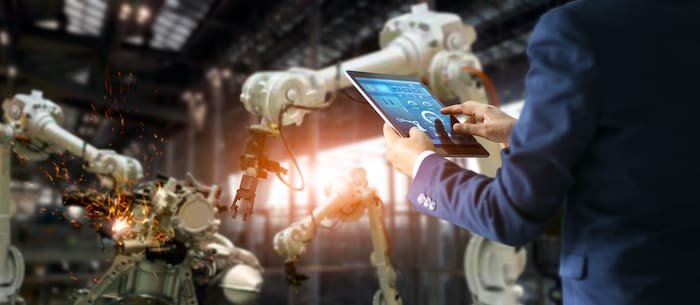
Leveraging quality KPI tracking systems can help unify these efforts and provide actionable insights for both departments.
Reducing Downtime Through Quality Monitoring
Unplanned downtime is a major source of lost productivity and increased costs in manufacturing. By closely monitoring both equipment condition and quality metrics, organizations can identify early warning signs and take corrective action before minor issues escalate.
Effective downtime reduction strategies include:
- Condition-based maintenance: Scheduling repairs based on actual equipment wear, rather than fixed intervals, to avoid unnecessary stoppages.
- Quality-triggered inspections: Investigating equipment whenever a spike in defects is detected, ensuring that root causes are addressed promptly.
- Integrated reporting: Combining downtime and quality data in a single dashboard enables faster decision-making and more targeted interventions.
To learn more about minimizing production interruptions, review proven downtime reduction through quality monitoring strategies.
Best Practices for Aligning Equipment Health and Quality Goals
Achieving optimal results requires a coordinated approach that brings together people, processes, and technology. Here are some best practices for aligning maintenance and quality objectives:
- Set clear standards: Define acceptable ranges for both equipment performance and product quality, and ensure all teams understand these benchmarks.
- Invest in training: Equip staff with the skills to recognize early signs of equipment degradation and understand their impact on quality.
- Leverage automation: Use automated monitoring and reporting tools to reduce manual effort and improve data accuracy.
- Foster collaboration: Encourage regular communication between maintenance, production, and quality teams to share insights and coordinate responses.
For packaging operations, implementing packaging line quality monitoring can further reduce errors and prevent costly shipping mistakes.
FAQ: Equipment Health and Quality in Manufacturing
How does equipment condition affect product quality?
Equipment that is properly maintained operates within its intended parameters, ensuring consistent product dimensions, material properties, and appearance. Poorly maintained machines can introduce variability, leading to defects and increased rework or scrap.
What are the benefits of integrating maintenance and quality data?
Combining these data streams helps identify patterns and root causes that might be missed if teams work in isolation. This integration supports faster problem resolution, better resource allocation, and continuous improvement in both uptime and product quality.
What technologies support real-time monitoring of equipment and quality?
Modern manufacturing environments use a range of technologies, including IoT sensors, machine learning analytics, and automated inspection systems. These tools enable real-time data collection, immediate alerts, and comprehensive reporting to support proactive decision-making.