
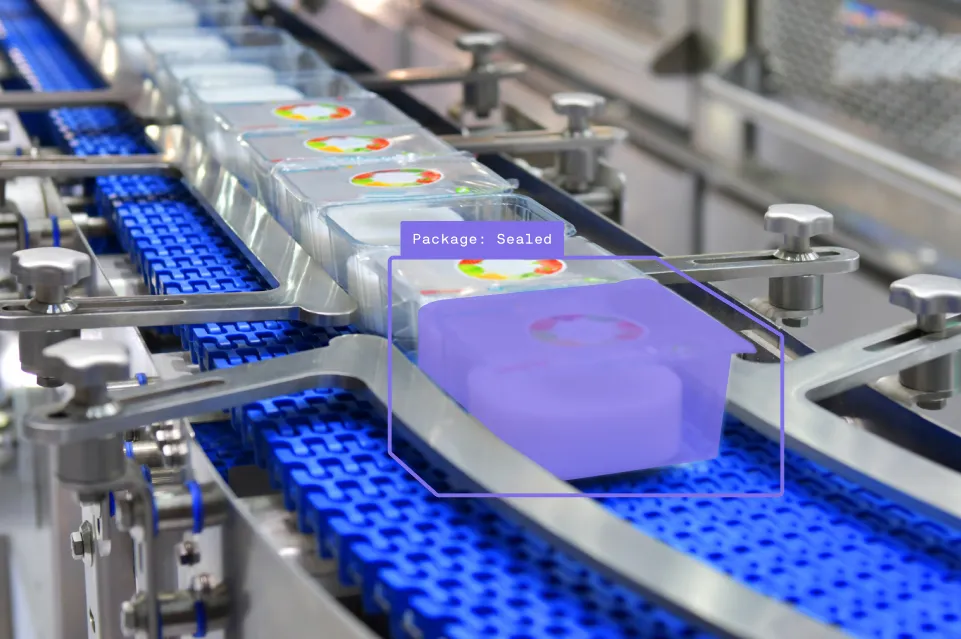
Artificial intelligence has transformed the way industries approach quality control, defect detection, and operational safety. As AI-driven inspection systems become more prevalent, organizations must address the unique risks associated with their deployment. Risk management in AI inspection is essential to ensure reliable outcomes, regulatory compliance, and the safety of both products and people.
This guide explores practical strategies for identifying, assessing, and mitigating risks throughout the AI inspection lifecycle. Whether you are implementing machine vision for manufacturing, deploying drones for infrastructure analysis, or integrating deep learning into industrial workflows, a robust risk management approach is crucial for long-term success.
For those interested in keeping AI models effective over time, exploring retraining strategies for ai inspection can further strengthen your risk management framework.
Understanding the Unique Risks of AI-Driven Inspection
AI-based inspection systems introduce new challenges compared to traditional methods. While they offer speed and accuracy, they also bring risks such as model bias, data drift, and lack of explainability. Recognizing these issues is the first step toward effective risk management in AI inspection.
- Model Bias: AI systems may inherit biases from training data, leading to inconsistent or unfair outcomes.
- Data Drift: Over time, the environment or products being inspected may change, causing the AI model to become less accurate.
- Black Box Decisions: Many AI models, especially deep learning systems, lack transparency, making it hard to understand or trust their outputs.
- Operational Risks: System failures, hardware malfunctions, or integration errors can disrupt inspection processes.
- Regulatory and Compliance Risks: Failing to meet industry standards or legal requirements can result in penalties or recalls.

Key Steps for Implementing Risk Management in AI Inspection
A systematic approach to risk management involves several core steps. Each stage ensures that risks are identified, evaluated, and controlled throughout the AI system’s lifecycle.
1. Risk Identification and Assessment
Begin by mapping out all possible risks associated with your AI inspection system. This includes technical, operational, and organizational risks. Engage stakeholders from IT, quality assurance, operations, and compliance to gather diverse perspectives.
- Conduct a thorough process analysis to pinpoint where AI is used and what could go wrong.
- Review historical data for past failures or anomalies in inspection systems.
- Assess the impact and likelihood of each risk to prioritize mitigation efforts.
2. Data Quality and Model Validation
High-quality data is the foundation of reliable AI inspection. Poor or unrepresentative data can lead to inaccurate results and increased risk.
- Establish strict data collection and labeling protocols.
- Regularly validate models with new data to detect drift or performance degradation.
- Use cross-validation and independent test sets to ensure robustness.
If you face challenges with limited or imbalanced datasets, consider reading about overcoming data scarcity in inspection for practical solutions.
3. Explainability and Transparency
Building trust in AI inspection systems requires making their decisions understandable. Incorporate explainable AI (XAI) techniques to provide insights into how models reach their conclusions.
- Implement tools that visualize model decision processes.
- Document model logic and assumptions for auditability.
- Train staff to interpret AI outputs and recognize when manual review is necessary.
4. Continuous Monitoring and Retraining
Ongoing monitoring is vital for maintaining performance and managing emerging risks. Set up automated alerts for anomalies or drops in accuracy.
- Track key performance indicators (KPIs) such as false positives, false negatives, and processing speed.
- Schedule regular model retraining to adapt to new data or changing conditions.
- Document all updates and monitor their impact on inspection outcomes.
5. Regulatory Compliance and Documentation
Stay informed about relevant regulations, such as ISO standards or sector-specific guidelines. Maintain comprehensive documentation for all aspects of your AI inspection system, including risk assessments, model versions, and incident logs.
- Perform regular compliance audits.
- Prepare for external inspections by keeping records up to date.
- Engage legal and compliance teams early in the development process.
Best Practices for Reducing Risk in AI-Powered Inspection
Beyond the core steps, several best practices can further minimize risk and maximize the value of AI inspection technology.
- Human-in-the-Loop: Combine AI with human expertise for critical decisions, especially in ambiguous cases.
- Redundancy: Use multiple models or sensors to cross-verify results and reduce single points of failure.
- Scenario Testing: Simulate edge cases and rare events to evaluate system robustness.
- Stakeholder Training: Educate staff on both the capabilities and limitations of AI inspection tools.
- Incident Response Planning: Develop protocols for responding to system failures or unexpected results.

Integrating Advanced Technologies and Staying Ahead
As AI inspection evolves, new technologies such as vision transformers and advanced deep learning architectures are being adopted. These innovations offer improved accuracy but may also introduce additional risks.
For example, vision transformers are gaining traction in industrial settings for their ability to handle complex visual tasks. To learn more about their potential and challenges, see this resource on vision transformers for industrial use.
Additionally, the use of drones and AI for infrastructure analysis, such as solar panel defect detection via drones, brings unique operational and regulatory considerations. Staying informed about sector-specific developments is key to effective risk management.
For a deeper dive into how deep learning is advancing machine vision, this overview of deep learning in visual inspection provides valuable insights into both benefits and potential pitfalls.
Sector-Specific Considerations
Different industries face unique challenges when implementing AI inspection. For example, nuclear power plants require heightened safety and security measures. If your organization operates in such high-stakes environments, reviewing nuclear power plant ai monitoring strategies can help tailor your risk management plan.
Manufacturing, energy, and infrastructure sectors should also consider the impact of environmental changes, evolving regulations, and supply chain disruptions on their AI inspection systems.
FAQ: Addressing Common Questions About AI Inspection Risk Management
What are the most common risks when using AI for inspection?
The most frequent risks include data quality issues, model bias, lack of transparency, operational failures, and regulatory non-compliance. Addressing these requires a combination of technical controls, process improvements, and ongoing monitoring.
How can organizations ensure their AI inspection systems remain accurate over time?
Regular monitoring, periodic retraining with fresh data, and validation against real-world scenarios are essential. Implementing a feedback loop where human experts review and correct AI outputs can also help maintain accuracy.
What role does documentation play in managing AI inspection risks?
Comprehensive documentation is critical for traceability, regulatory compliance, and incident investigation. It should cover data sources, model versions, risk assessments, and all changes made to the system.
Conclusion
Implementing a structured approach to risk management in AI inspection is vital for achieving reliable, safe, and compliant operations. By identifying risks early, validating data and models, ensuring transparency, and staying current with technological advances, organizations can unlock the full potential of AI-powered inspection while minimizing negative outcomes.
As the field continues to evolve, ongoing education, cross-disciplinary collaboration, and proactive risk assessment will remain key to success.