

The demand for reliable and efficient glass inspection has never been higher. From automotive windshields to architectural panels and smartphone screens, the integrity of glass is crucial for safety, performance, and aesthetics. Traditional inspection methods, often relying on human eyes or basic machine vision, can miss subtle flaws or struggle to keep up with high-speed production lines. This is where glass crack detection using AI is transforming the landscape, offering unmatched accuracy, speed, and consistency.
By leveraging advanced algorithms and deep learning, artificial intelligence systems can identify even the smallest cracks or defects in glass surfaces. These solutions not only reduce the risk of faulty products reaching customers but also streamline quality control, minimize waste, and lower operational costs. As industries seek to maintain high standards while scaling up production, AI-powered inspection is quickly becoming an essential tool.
For organizations looking to keep their inspection models up to date, exploring retraining strategies for ai inspection can help maintain high performance as new types of cracks or defects emerge.
How AI-Powered Vision Systems Work for Glass Inspection
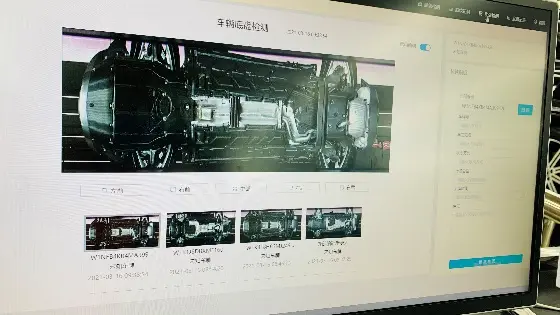
Modern AI-based crack detection systems combine high-resolution cameras with sophisticated neural networks. These networks are trained on thousands of images of glass, both flawless and with various types of cracks—ranging from hairline fractures to more obvious breaks. The AI learns to distinguish between harmless surface marks, dust, and actual structural defects.
The process typically involves several steps:
- Image Acquisition: Cameras capture detailed images of glass surfaces as they move along the production line.
- Preprocessing: Images are enhanced and normalized to ensure consistent input for the AI model.
- Defect Detection: The neural network analyzes each image, highlighting areas that match known crack patterns or anomalies.
- Classification: Detected defects are categorized by type, size, and severity, enabling targeted responses.
- Reporting and Action: Results are logged, and defective items can be automatically removed from the line or flagged for further review.
This approach enables real-time inspection, drastically reducing the chances of defective glass making it to the end user.
Advantages of AI in Glass Crack Detection
Integrating artificial intelligence for glass inspection brings several key benefits:
- Enhanced Accuracy: AI models can detect cracks that are invisible to the human eye or traditional machine vision.
- Consistency: Unlike manual inspection, AI systems deliver uniform results around the clock, unaffected by fatigue or subjective judgment.
- Speed: Automated systems can inspect glass at high speeds, keeping up with modern manufacturing demands.
- Data-Driven Insights: AI platforms generate valuable data on defect types and frequencies, supporting continuous improvement and predictive maintenance.
- Cost Savings: By reducing false positives and minimizing waste, manufacturers can lower costs and improve yield.
For industries where safety and reliability are paramount, such as automotive or construction, these advantages are especially significant.
Challenges in Training AI Models for Crack Detection
While the benefits are clear, developing robust AI systems for glass inspection comes with its own set of challenges:
- Data Scarcity: High-quality, labeled images of rare crack types can be difficult to obtain. Addressing overcoming data scarcity in inspection is crucial for building effective models.
- Variability in Glass Types: Different glass compositions, coatings, and surface treatments can affect how cracks appear in images.
- Environmental Factors: Lighting conditions, dust, and reflections may introduce noise, requiring careful preprocessing and robust model design.
- Model Maintenance: As new defect types emerge, AI models must be updated and retrained to maintain accuracy.
Overcoming these hurdles often involves using advanced techniques such as data augmentation, transfer learning, and regular model retraining.
Key Technologies Behind AI-Based Glass Inspection
The success of glass crack detection using ai relies on several technological advancements:
- Deep Learning: Convolutional neural networks (CNNs) excel at analyzing visual data, making them ideal for identifying cracks and other surface defects.
- Vision Transformers: Newer architectures, such as those discussed in vision transformers for industrial use, offer improved performance on complex visual tasks.
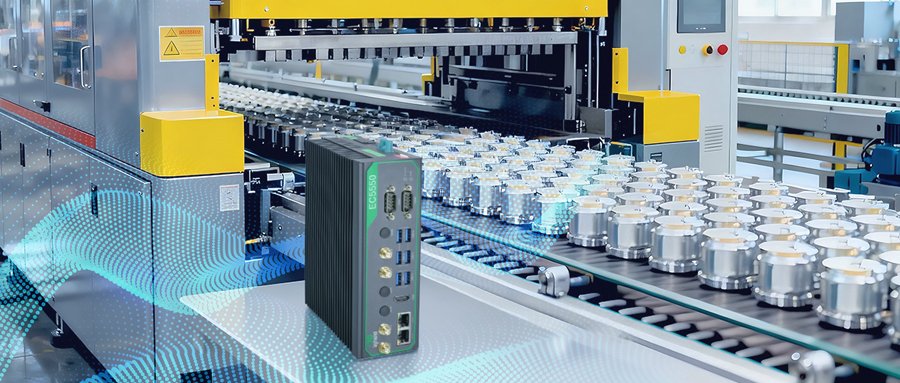
- Edge Computing: Deploying AI models directly on inspection hardware enables real-time analysis without the need for cloud connectivity.
- Automated Data Labeling: Tools that assist in labeling and categorizing defect images help accelerate model development and refinement.
These technologies work together to deliver high-precision vision systems capable of meeting the rigorous demands of industrial environments.
Applications and Industry Impact
AI-powered crack detection is already making a difference in several sectors:
- Automotive: Ensuring windshields and windows are free from structural flaws enhances vehicle safety and customer satisfaction.
- Consumer Electronics: Detecting micro-cracks in smartphone screens and camera lenses prevents costly returns and warranty claims.
- Construction: Inspecting architectural glass panels for defects reduces the risk of failure in buildings and infrastructure.
- Solar Energy: Identifying cracks in photovoltaic panels helps maintain energy output and prolongs system lifespan.
As adoption grows, these systems are expected to become standard in any industry where glass quality is critical.
Best Practices for Implementing AI Glass Inspection
To maximize the benefits of AI-based inspection, manufacturers should consider the following best practices:
- Start with High-Quality Data: Invest in capturing diverse, well-labeled images of both defects and normal glass.
- Leverage Small Dataset Techniques: When data is limited, explore small dataset training for ai inspection to build effective models with fewer samples.
- Ensure Traceability: Track each glass item through production with traceability in ai-driven manufacturing to link inspection results with process data.
- Plan for Continuous Improvement: Regularly update models as new defect types or product lines are introduced.
- Integrate with Quality Control Systems: Connect AI inspection results with broader manufacturing execution systems for automated decision-making.
Following these guidelines helps ensure a smooth transition to AI-powered quality control and maximizes return on investment.
Future Trends in Automated Crack Detection
The field of glass crack detection using ai continues to evolve rapidly. Some emerging trends include:
- Self-Learning Systems: Future AI models may automatically adapt to new defect types without manual retraining.
- Multi-Modal Inspection: Combining visual data with acoustic or thermal sensors can improve detection rates and reduce false positives.
- Cloud-Based Analytics: Centralizing inspection data enables advanced analytics and benchmarking across multiple facilities.
- Greater Accessibility: As hardware costs decrease and software becomes more user-friendly, even small manufacturers can adopt AI inspection.
These innovations will further enhance the reliability and scalability of automated glass inspection.
Frequently Asked Questions
How accurate are AI systems for detecting cracks in glass?
Modern AI-powered inspection systems can achieve accuracy rates above 99% for many types of cracks, especially when trained on high-quality, diverse datasets. The precision depends on factors such as image quality, model architecture, and the variety of defects included during training.
Can AI inspection systems be integrated into existing production lines?
Yes, most AI-based vision systems are designed for seamless integration with current manufacturing equipment. They can be installed as standalone units or incorporated into automated lines, providing real-time feedback and defect removal.
What are the main benefits of using AI for glass inspection over manual methods?
AI inspection offers superior speed, consistency, and accuracy compared to manual methods. It reduces human error, operates continuously, and provides valuable data for process optimization. This leads to higher product quality, reduced waste, and lower operational costs.
Where can I learn more about AI in quality control?
For further reading, consider exploring the benefits of using AI in quality control and inspection, which covers broader applications and advantages of artificial intelligence in manufacturing.