

Achieving higher throughput is a fundamental goal for any manufacturing operation. When production lines run efficiently, businesses can meet demand, reduce costs, and stay competitive. However, bottlenecks, equipment downtime, and inefficient processes often limit output. Understanding how to improve throughput in production involves a combination of process optimization, technology adoption, and continuous monitoring.
This article explores practical strategies to enhance output rates, minimize delays, and create a more resilient production environment. We’ll also highlight how digital tools and data-driven approaches can support sustained improvements. For those interested in leveraging advanced technologies, exploring vision transformers for industrial use can offer insights into next-generation automation and inspection solutions.
Understanding Production Throughput and Its Impact
Throughput refers to the rate at which a manufacturing system produces finished goods. It is typically measured as units produced per hour or per shift. High throughput is not just about speed; it also reflects the system’s ability to maintain quality and minimize waste. When output rates are low, it can signal issues such as equipment inefficiency, labor shortages, or process misalignment.
Improving throughput in production environments requires a holistic view. It’s essential to analyze each step of the process, identify constraints, and implement targeted improvements. This approach ensures that gains in one area do not create new bottlenecks elsewhere.
Key Factors Affecting Output Rates
Several variables influence how efficiently a production line operates. Recognizing these factors is the first step toward meaningful improvement:
- Bottlenecks: The slowest point in the process limits overall throughput. Identifying and addressing these constraints is crucial.
- Machine Downtime: Unplanned stoppages due to breakdowns or maintenance can significantly reduce output.
- Quality Issues: Defects and rework slow down production and waste resources.
- Material Flow: Delays in material supply or handling can disrupt the rhythm of the line.
- Labor Efficiency: Operator skills, training, and motivation all impact how smoothly tasks are performed.
By systematically evaluating these areas, manufacturers can prioritize actions that deliver the greatest impact on throughput.
Strategies for Boosting Throughput in Manufacturing
There are several proven methods to enhance output in production environments. The following strategies can be adapted to suit different industries and scales:
1. Bottleneck Analysis and Elimination
The Theory of Constraints suggests that every process has a limiting factor. By focusing improvement efforts on the slowest step, overall throughput can be increased. Use process mapping and data collection to pinpoint bottlenecks, then implement solutions such as equipment upgrades, process redesign, or additional staffing.
2. Preventive Maintenance and Equipment Reliability
Regular maintenance schedules reduce the risk of unexpected breakdowns. Predictive maintenance, powered by sensors and analytics, can further minimize downtime by identifying issues before they cause failures. Reliable equipment keeps production moving and supports higher output rates.
3. Streamlining Material Handling and Inventory Management
Efficient material flow ensures that workstations are never starved for parts. Implementing just-in-time inventory, automated guided vehicles, or conveyor systems can help maintain a steady supply of materials. Reducing manual handling also lowers the risk of errors and injuries.
4. Quality Control and Defect Reduction
High defect rates slow down production and increase costs. Integrating automated inspection systems, such as those discussed in retraining strategies for AI inspection, can catch issues early and reduce rework. Continuous improvement initiatives, like Six Sigma, also help maintain quality standards.
5. Workforce Training and Engagement
Well-trained employees are more efficient and make fewer mistakes. Regular training sessions, clear work instructions, and incentive programs can boost morale and productivity. Cross-training staff allows for greater flexibility and helps cover absences without slowing down the line.
Leveraging Technology to Enhance Production Output
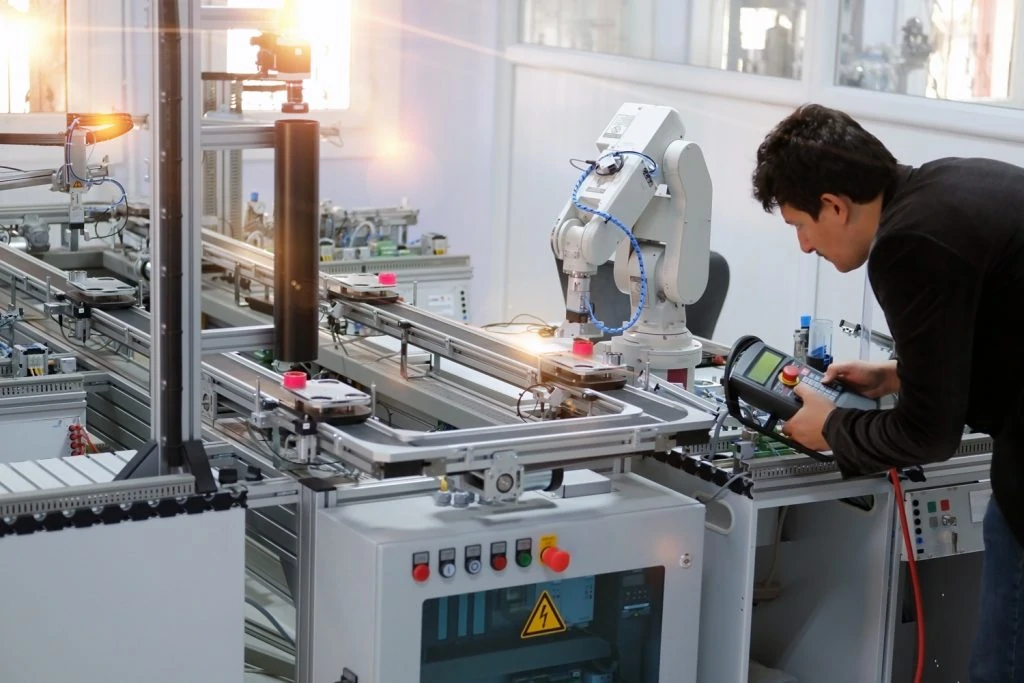
Digital transformation is reshaping manufacturing. Adopting smart technologies can unlock new levels of efficiency and throughput:
- Automation: Robotics and automated machinery can perform repetitive tasks faster and with greater consistency than manual labor.
- Data Analytics: Real-time monitoring systems provide actionable insights into equipment performance, process variability, and output rates.
- Artificial Intelligence: AI-powered inspection and predictive maintenance help prevent defects and reduce downtime.
- Connected Systems: Integrating machines, sensors, and software platforms creates a seamless flow of information, enabling proactive decision-making.
For manufacturers facing challenges with limited data, exploring small dataset training for AI inspection can help accelerate the adoption of intelligent automation without extensive historical records.
Continuous Improvement and Monitoring
Sustained gains in throughput require ongoing attention. Implementing a culture of continuous improvement ensures that processes are regularly reviewed and optimized. Key performance indicators (KPIs) such as cycle time, yield, and downtime should be tracked and analyzed.
Regular team meetings, feedback loops, and suggestion programs encourage employees to contribute ideas for further enhancements. Benchmarking against industry standards and learning from best practices, such as those outlined in these steps to improve manufacturing efficiency, can provide valuable direction.
Integrating Traceability and Data for Long-Term Success
Modern production lines benefit from robust traceability systems. Tracking materials, components, and finished goods throughout the process provides visibility into quality, compliance, and process efficiency. This data-driven approach supports root cause analysis and enables faster corrective actions.
For organizations looking to strengthen their digital infrastructure, learning about traceability in AI-driven manufacturing can be a valuable resource for building resilient and transparent operations.
FAQ: Common Questions About Increasing Production Line Throughput
What is the most effective way to identify bottlenecks in a production line?
The most effective approach involves process mapping and real-time data collection. By tracking cycle times and work-in-progress at each stage, it’s possible to pinpoint where delays occur. Tools such as value stream mapping and digital dashboards can help visualize and address constraints.
How can automation help increase throughput?
Automation reduces manual intervention, speeds up repetitive tasks, and minimizes errors. By deploying robotics, automated inspection, and material handling systems, manufacturers can achieve faster cycle times and more consistent output, leading to higher throughput.
Why is employee training important for improving output rates?
Well-trained employees understand processes better, make fewer mistakes, and can adapt to changes quickly. Ongoing training ensures that staff can operate new equipment, follow best practices, and contribute to continuous improvement efforts, all of which support higher production rates.
How does quality control impact throughput?
Effective quality control reduces defects and rework, which can otherwise slow down production and waste resources. Automated inspection systems and robust quality protocols help maintain consistent standards, ensuring that throughput improvements do not come at the expense of product quality.
Conclusion
Enhancing throughput in manufacturing is a multifaceted challenge that requires attention to process design, technology, and workforce development. By systematically addressing bottlenecks, investing in automation, and fostering a culture of continuous improvement, organizations can achieve sustainable gains in output and efficiency. Leveraging digital tools and data-driven insights further strengthens the ability to adapt and thrive in a competitive landscape.