

In today’s fast-paced manufacturing landscape, measuring and improving production efficiency is more critical than ever. Organizations rely on a set of well-defined metrics, often referred to as key performance indicators (KPIs), to monitor, analyze, and optimize their operations. These benchmarks help teams identify bottlenecks, reduce waste, and drive continuous improvement across the production floor.
By understanding the most impactful KPIs and how to apply them, manufacturers can make informed decisions that enhance productivity, minimize downtime, and boost profitability. This article explores essential metrics, their practical applications, and strategies for leveraging data to achieve operational excellence.
For those interested in the role of artificial intelligence in manufacturing, exploring traceability in AI-driven manufacturing provides valuable insights into how digital tools are transforming production environments.
Understanding Production Efficiency Metrics
Production efficiency refers to the ability to maximize output while minimizing input, such as time, materials, and labor. To gauge this, organizations use a variety of KPIs that provide a clear picture of how well resources are being utilized. These metrics not only highlight areas for improvement but also serve as benchmarks for setting realistic goals and tracking progress over time.
The most effective KPIs are those that align with a company’s specific objectives and operational challenges. By focusing on the right indicators, manufacturers can prioritize initiatives that yield the greatest impact on their bottom line.

Essential KPIs for Measuring Manufacturing Performance
When it comes to tracking key performance indicators for production efficiency, several metrics stand out for their ability to provide actionable insights. Here are some of the most widely used KPIs in manufacturing:
- Overall Equipment Effectiveness (OEE): OEE is a comprehensive metric that combines availability, performance, and quality to assess how effectively equipment is being used. A high OEE score indicates minimal downtime, optimal speed, and low defect rates.
- Cycle Time: This measures the total time required to produce a single unit, from start to finish. Reducing cycle time can lead to increased throughput and better resource utilization.
- First Pass Yield (FPY): FPY tracks the percentage of products manufactured correctly without requiring rework. High FPY rates signal strong process control and reduced waste.
- Downtime: Monitoring both planned and unplanned downtime helps identify opportunities to improve equipment reliability and maintenance practices.
- Scrap Rate: This KPI measures the proportion of materials or products that are discarded due to defects. Lowering the scrap rate directly contributes to cost savings and sustainability.
- Throughput: Throughput quantifies the number of units produced within a specific period. It is a direct indicator of production capacity and efficiency.
How to Select the Right KPIs for Your Operation
Not all metrics are equally relevant to every manufacturing environment. Selecting the most meaningful KPIs involves understanding your unique production goals, challenges, and customer requirements. Consider the following steps when choosing which indicators to track:
- Align with Business Objectives: Ensure that each KPI supports broader organizational goals, such as reducing costs, improving quality, or increasing output.
- Focus on Actionable Data: Choose metrics that can drive specific improvements and are within your team’s control.
- Balance Leading and Lagging Indicators: Use a mix of predictive (leading) and outcome-based (lagging) metrics to gain a comprehensive view of performance.
- Review and Adjust Regularly: As operations evolve, periodically reassess your KPIs to ensure they remain relevant and effective.
For teams working with advanced technologies, understanding vision transformers for industrial use can further enhance the selection and application of relevant metrics.
Leveraging Data for Continuous Improvement
Gathering data is only the first step. To truly benefit from production efficiency indicators, manufacturers must analyze trends, identify root causes, and implement targeted improvements. This process often involves cross-functional collaboration between operations, maintenance, and quality assurance teams.
Digital tools and manufacturing execution systems (MES) can automate data collection and provide real-time dashboards, making it easier to spot deviations and respond quickly. Regular reviews of KPI performance help organizations stay agile and maintain a culture of continuous improvement.
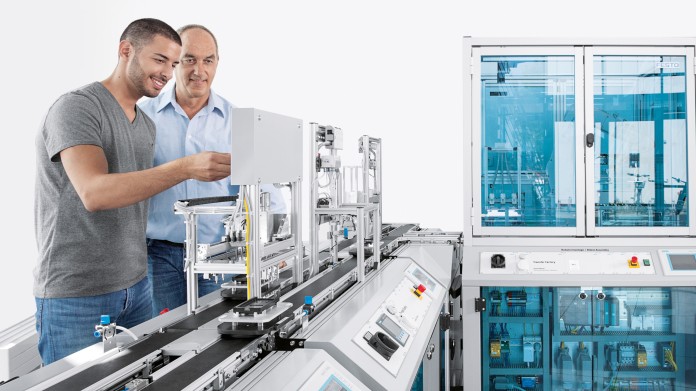
Common Challenges and Solutions in Tracking Efficiency KPIs
While the benefits of monitoring key performance indicators for production efficiency are clear, organizations often face obstacles in implementation. Some common challenges include:
- Data Accuracy: Inconsistent or incomplete data can lead to misleading conclusions. Automating data capture and standardizing reporting processes can help address this issue.
- Change Management: Introducing new metrics may meet resistance from staff. Providing training and demonstrating the value of KPIs can foster buy-in.
- Integration with Existing Systems: Ensuring that KPI tracking tools work seamlessly with current software and equipment is crucial for smooth adoption.
- Overwhelming Volume of Metrics: Tracking too many indicators can dilute focus. Prioritize the most impactful KPIs and review them regularly.
Manufacturers seeking to optimize their processes can benefit from proven strategies for improving production efficiency, which offer actionable tips for overcoming common hurdles and maximizing results.
Integrating Advanced Technologies with KPI Tracking
The rise of automation, artificial intelligence, and machine learning is transforming how manufacturers monitor and improve efficiency. These technologies enable real-time data analysis, predictive maintenance, and smarter decision-making. For example, AI-driven inspection systems can enhance quality control by identifying defects earlier in the process.
Companies interested in leveraging small datasets for AI applications may find guidance in small dataset training for AI inspection, which discusses methods for maximizing the value of limited data while maintaining robust performance.
FAQ: Key Questions About Production Efficiency KPIs
What are the most important KPIs for improving manufacturing output?
The most impactful metrics typically include Overall Equipment Effectiveness (OEE), cycle time, first pass yield, downtime, and throughput. These indicators provide a comprehensive view of equipment utilization, process speed, quality, and production capacity.
How often should production efficiency KPIs be reviewed?
Regular review is essential for timely decision-making. Many organizations analyze their KPIs daily or weekly, depending on production volume and process complexity. Frequent monitoring helps teams respond quickly to issues and maintain continuous improvement.
Can small manufacturers benefit from tracking efficiency KPIs?
Absolutely. Even smaller operations can gain significant value by monitoring a focused set of metrics. Tracking the right indicators helps identify inefficiencies, reduce costs, and improve product quality, regardless of company size.
How can data-driven KPIs support AI initiatives in manufacturing?
Reliable, well-structured data is the foundation for successful AI projects. By consistently tracking and analyzing key metrics, manufacturers can train AI models more effectively and implement advanced solutions such as predictive maintenance and automated quality inspection. For more information, see retraining strategies for AI inspection.
Conclusion
Monitoring and acting on key performance indicators for production efficiency is essential for any manufacturer aiming to stay competitive in today’s market. By selecting relevant metrics, leveraging technology, and fostering a culture of continuous improvement, organizations can unlock new levels of productivity and quality. The journey toward operational excellence begins with understanding what to measure—and using those insights to drive meaningful change.