

Label and barcode verification with AI is transforming the way manufacturers, logistics providers, and retailers ensure product accuracy and traceability. As supply chains become more complex and consumer expectations rise, the need for reliable, automated inspection systems has never been greater. Artificial intelligence brings a new level of precision and efficiency to scanning, helping organizations reduce errors, improve compliance, and streamline operations.
In this article, we’ll explore how AI-powered solutions are reshaping label and barcode inspection, the core technologies involved, and the practical benefits for businesses. We’ll also highlight best practices, challenges, and future trends in this fast-evolving field. For those interested in optimizing AI models for inspection tasks, consider learning about retraining strategies for AI inspection to keep your systems sharp and effective.
How AI Is Changing Label and Barcode Inspection
Traditional barcode and label inspection systems rely on fixed rules and simple image processing. While these methods can detect basic errors, they often struggle with real-world variability—such as damaged labels, poor print quality, or unusual lighting. Artificial intelligence overcomes these limitations by learning from large datasets, recognizing subtle patterns, and adapting to new challenges.
AI-driven systems use deep learning models to analyze images of labels and barcodes, identifying defects, misprints, or mismatches with remarkable accuracy. This approach allows for real-time verification on high-speed production lines, reducing the risk of faulty products reaching customers.
Key Technologies Behind AI-Powered Verification
Several core technologies enable advanced label and barcode verification:
- Computer Vision: AI models process images captured by industrial cameras, detecting and decoding barcodes, QR codes, and text on labels.
- Deep Learning: Neural networks are trained on thousands of labeled examples, allowing them to recognize a wide range of defects and variations.
- Optical Character Recognition (OCR): AI-based OCR extracts printed or handwritten text from labels for validation against databases or order records.
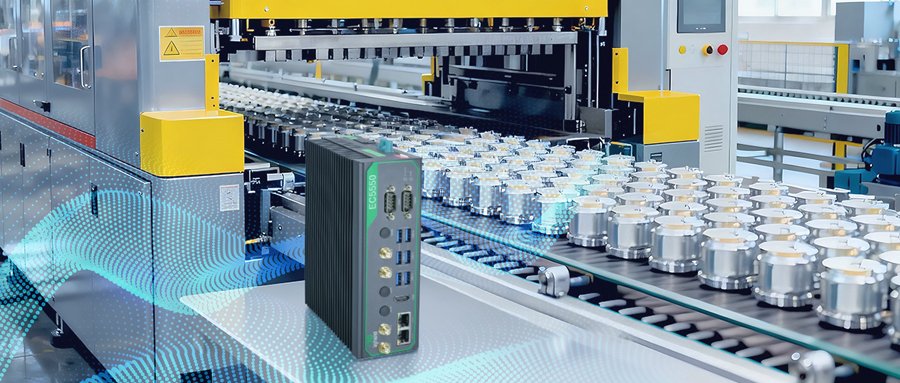
- Edge Computing: Processing data locally on production lines ensures rapid response times and minimizes latency, which is critical for high-speed environments.
These technologies work together to deliver robust, scalable inspection solutions that adapt to changing requirements and product designs.
Benefits of Automated Label and Barcode Verification with AI
Adopting AI-based verification systems offers several tangible benefits for manufacturers and logistics companies:
- Increased Accuracy: AI models can detect subtle defects or inconsistencies that traditional systems might miss, reducing false positives and negatives.
- Higher Throughput: Automated inspection keeps pace with fast-moving production lines, minimizing bottlenecks and manual intervention.
- Reduced Costs: By catching errors early, companies avoid costly recalls, rework, and customer complaints.
- Improved Compliance: Automated systems help meet industry regulations and traceability standards by ensuring every product is correctly labeled and tracked.
- Adaptability: AI models can be retrained or fine-tuned for new products, label designs, or barcode formats, supporting continuous improvement.
For a deeper dive into the broader impact of AI on quality control, see this overview of the benefits of using AI in quality control and inspection.
Challenges and Considerations in AI-Based Inspection
While the advantages are clear, implementing AI-driven verification is not without challenges:
- Data Quality: High-quality, diverse training data is essential for reliable AI performance. Poor or unrepresentative datasets can lead to missed defects or false alarms.
- Integration: Connecting AI systems with existing production equipment and IT infrastructure requires careful planning and technical expertise.
- Ongoing Maintenance: As products and labels change, AI models may need retraining to maintain accuracy. Learn more about retraining strategies for ai inspection to keep your system up to date.
- Cost: Initial investment in AI hardware, software, and integration can be significant, though long-term savings often justify the expense.
Addressing these challenges requires collaboration between AI specialists, production engineers, and quality managers.
Real-World Applications and Industry Examples
AI-powered label and barcode verification is being adopted across a range of industries:
- Pharmaceuticals: Ensuring correct labeling and serialization for regulatory compliance and patient safety.
- Food and Beverage: Verifying expiration dates, batch codes, and allergen information to prevent recalls.
- Automotive: Tracking parts and assemblies through complex supply chains for traceability and quality assurance.
- Retail and E-commerce: Automating order fulfillment and reducing shipping errors by validating barcodes and shipping labels.
These applications demonstrate the versatility and impact of AI-driven inspection in modern manufacturing and logistics.
Best Practices for Implementing AI-Based Label and Barcode Verification
To maximize the benefits of AI-powered inspection, organizations should follow these best practices:
- Start with a Pilot: Test the system on a small scale to validate performance and identify integration challenges.
- Invest in Quality Data: Collect diverse, representative images of labels and barcodes under different conditions for training and validation.
- Monitor and Maintain: Regularly review system performance and retrain models as needed to adapt to new products or label changes.
- Collaborate Across Teams: Involve IT, production, and quality assurance teams from the outset to ensure smooth deployment and ongoing support.
- Plan for Scalability: Choose solutions that can grow with your business, supporting new lines, products, or inspection requirements.
For organizations facing challenges with limited data, strategies such as small dataset training for ai inspection can help build effective models even with constrained resources.
Future Trends in AI-Driven Verification
The field of automated label and barcode inspection continues to evolve rapidly. Some emerging trends include:
- Vision Transformers: Advanced AI architectures like vision transformers for industrial use are delivering even greater accuracy and flexibility in complex inspection tasks.
- Cloud Integration: Leveraging cloud computing for centralized data analysis, model updates, and remote monitoring.
- Enhanced Traceability: Combining AI inspection with digital traceability systems, as discussed in traceability in ai-driven manufacturing, to provide end-to-end visibility from raw materials to finished goods.
- Self-Learning Systems: AI models that continuously learn from new data and operator feedback, reducing the need for manual retraining.
These innovations promise to further improve the reliability, speed, and adaptability of automated verification systems.
Frequently Asked Questions
What types of barcodes and labels can AI systems verify?
Modern AI-powered systems can handle a wide range of formats, including 1D barcodes (like UPC and Code 128), 2D codes (such as QR and Data Matrix), and printed or handwritten text. They can also adapt to custom label designs and variable print quality.
How accurate are AI-based label and barcode verification solutions?
With proper training data and setup, AI inspection systems can achieve accuracy rates above 99%. Performance depends on factors like image quality, lighting, and the diversity of training examples.
Is it difficult to integrate AI verification with existing production lines?
Integration requires careful planning but is increasingly straightforward thanks to modular hardware and software. Many vendors offer solutions designed to work with common industrial protocols and equipment, minimizing downtime during deployment.
Label and barcode verification with AI is rapidly becoming the gold standard for quality assurance in manufacturing and logistics. By embracing these technologies, organizations can achieve greater accuracy, efficiency, and compliance—while staying prepared for the challenges of tomorrow’s supply chains.