
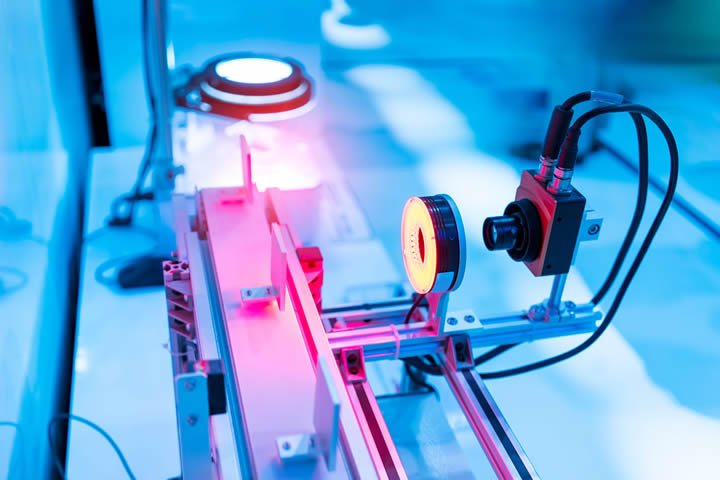
Modern manufacturing demands high levels of consistency, efficiency, and quality. Achieving these objectives requires more than skilled labor and advanced machinery—it depends on the intelligent deployment of manufacturing process control systems. These systems are the backbone of reliable production, ensuring that every product meets strict specifications and that operations run smoothly from start to finish.
Organizations that invest in robust control systems can minimize waste, reduce downtime, and improve overall equipment effectiveness. For those seeking to optimize their operations, understanding how these solutions work and how to implement them is essential. For a deeper dive into tracking and improving plant performance, consider exploring manufacturing performance indicators and how they drive continuous improvement.
Understanding Process Control in Manufacturing
At its core, process control in manufacturing refers to the use of technology and methods to monitor, regulate, and optimize production activities. These systems collect real-time data from machines, sensors, and operators, allowing for immediate adjustments when deviations occur. The result is a stable process that consistently delivers products within defined tolerances.
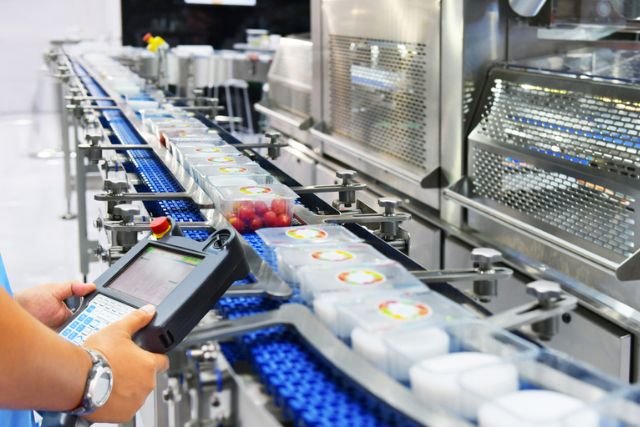
Manufacturing process control systems typically include a combination of hardware (such as programmable logic controllers, sensors, and actuators) and software (like SCADA, MES, and analytics platforms). Together, they form an integrated network that keeps production on track, detects anomalies, and automates corrective actions.
Key Components of Modern Control Systems
A well-designed process control environment relies on several essential elements:
- Sensors and Measurement Devices: These capture critical data such as temperature, pressure, flow rates, and product dimensions.
- Controllers: Devices like PLCs (Programmable Logic Controllers) interpret sensor data and execute logic to maintain target values.
- Actuators: Motors, valves, and other devices that physically adjust the process based on controller instructions.
- Human-Machine Interfaces (HMI): Dashboards and screens that allow operators to monitor system status and intervene when needed.
- Supervisory Software: SCADA (Supervisory Control and Data Acquisition) and MES (Manufacturing Execution Systems) provide centralized oversight, analytics, and reporting.
When these components work together, they create a closed-loop system capable of self-correction and continuous improvement.
Benefits of Implementing Manufacturing Process Control Systems
Deploying advanced control solutions brings a range of advantages for manufacturers:
- Consistent Product Quality: Automated monitoring and adjustment reduce variability, ensuring every item meets quality standards.
- Reduced Waste: Early detection of process deviations prevents the production of defective goods and minimizes raw material loss.
- Increased Efficiency: Real-time feedback enables faster response to issues, reducing downtime and bottlenecks.
- Regulatory Compliance: Automated data collection and traceability simplify audits and help meet industry regulations.
- Cost Savings: Improved process stability lowers energy usage, maintenance costs, and labor requirements.
These benefits are especially pronounced in industries with tight tolerances and high throughput, such as automotive, electronics, and food processing.
How Automation Enhances Process Control
Automation is a key driver in the evolution of process control. By integrating robotics, machine vision, and advanced analytics, manufacturers can achieve levels of precision and repeatability that manual methods cannot match.
For example, machine vision systems can inspect products at high speed, instantly flagging defects and triggering corrective actions. Automated data logging ensures that every step of the process is recorded, supporting both quality assurance and continuous improvement initiatives.
To further explore how automation and real-time monitoring can boost plant efficiency, see this guide on OEE monitoring and quality control.
Challenges in Achieving Consistent Output
While the advantages are clear, implementing and maintaining effective process control is not without challenges. Common obstacles include:
- Legacy Equipment: Older machines may lack connectivity or compatibility with modern control technologies.
- Data Silos: Disparate systems can make it difficult to aggregate and analyze information across the production line.
- Change Management: Operators and technicians may need training to adapt to new workflows and technologies.
- Cost of Upgrades: Initial investment in sensors, controllers, and software can be significant, though ROI is often realized through efficiency gains.
Addressing these challenges requires a strategic approach, including phased upgrades, staff training, and careful selection of scalable solutions.
Best Practices for Reliable Process Control
To maximize the value of process control systems, manufacturers should follow these best practices:
- Standardize Procedures: Develop clear operating procedures and ensure they are followed consistently across shifts.
- Regular Maintenance: Keep sensors and controllers calibrated and conduct routine checks to prevent drift or failure.
- Continuous Training: Equip staff with the knowledge to interpret data, respond to alarms, and troubleshoot issues.
- Leverage Analytics: Use data-driven insights to identify trends, root causes, and opportunities for improvement.
- Integrate Quality Monitoring: Combine process control with next generation quality monitoring systems for a holistic approach to product excellence.
Real-Time Quality Control and Its Impact
Real-time monitoring is a cornerstone of effective process control. By capturing and analyzing data as it happens, manufacturers can react instantly to deviations, reducing the risk of defective output and costly recalls. This approach is especially valuable in industries where product safety and traceability are paramount.
For more on the importance of immediate feedback in the supply chain, see this overview of real-time quality control in supply chains.
Integrating KPIs and Performance Tracking
To ensure ongoing improvement, it’s essential to track key performance indicators (KPIs) alongside process control data. Metrics such as yield, cycle time, and downtime provide actionable insights into where processes can be optimized. Advanced systems can automate KPI tracking, making it easier to spot trends and drive continuous improvement.
For practical tips on measuring success, explore strategies for quality KPI tracking systems and how they can help your plant achieve its goals.
Future Trends in Manufacturing Process Control
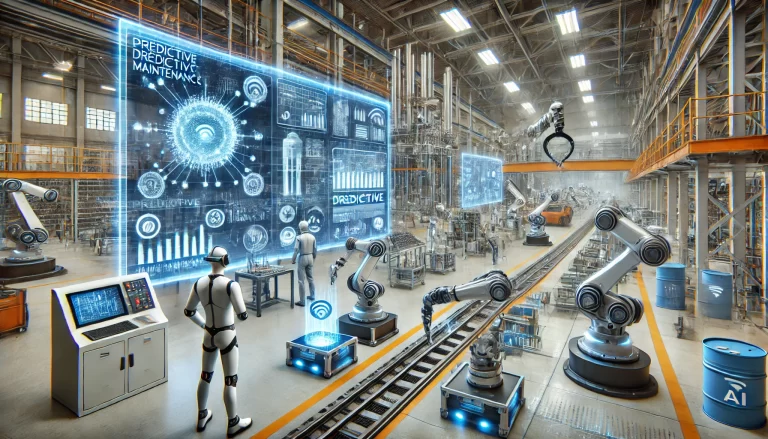
The landscape of process control is rapidly evolving. Emerging technologies like artificial intelligence, machine learning, and Industrial Internet of Things (IIoT) are enabling predictive maintenance, adaptive control, and even self-optimizing production lines. These advances promise even greater consistency, flexibility, and cost savings for manufacturers willing to embrace digital transformation.
As these technologies mature, expect to see more plants adopting cloud-based analytics, remote monitoring, and advanced automation to stay competitive.
FAQ: Manufacturing Process Control Systems
What industries benefit most from process control systems?
Industries with high production volumes and strict quality requirements—such as automotive, pharmaceuticals, food and beverage, and electronics—see the greatest benefits from robust control solutions. However, any manufacturer aiming for consistent output and efficiency can gain from these systems.
How do process control systems reduce downtime?
By continuously monitoring equipment and process variables, these systems can detect anomalies early and trigger automatic adjustments or alerts. This proactive approach minimizes unplanned stoppages and supports downtime reduction through quality monitoring strategies.
Can small manufacturers afford advanced control solutions?
While initial costs can be a barrier, scalable and modular solutions are increasingly available. Many vendors offer systems that can be implemented in phases, allowing smaller operations to start with basic monitoring and expand as needs and budgets allow.