
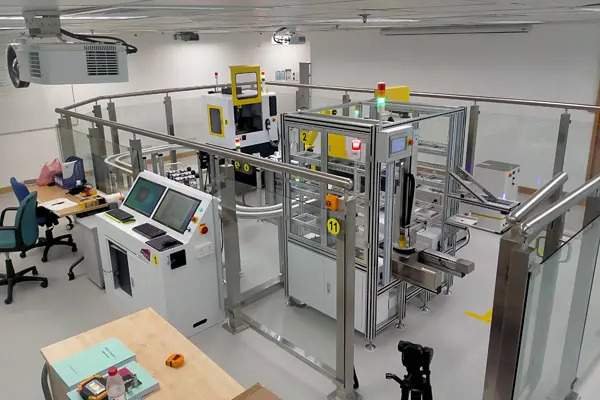
In today’s competitive industrial environment, the ability to streamline production and minimize waste is crucial for manufacturers. Applying manufacturing process optimization techniques can lead to significant improvements in efficiency, product quality, and cost reduction. Whether you operate a large-scale facility or a smaller plant, understanding and implementing the right strategies can transform your operations and set you apart in the marketplace.
As technology evolves, so do the methods available for refining production workflows. From lean manufacturing principles to advanced AI-driven monitoring, there are numerous approaches that can help manufacturers achieve higher throughput and better resource utilization. For those interested in how artificial intelligence is revolutionizing industrial quality control, our article on the role of industrial cameras in AI systems offers valuable insights into the integration of vision technology in modern factories.
Key Principles Behind Efficient Manufacturing Workflows
Before diving into specific manufacturing process optimization techniques, it’s important to understand the foundational principles that drive effective process improvement. These core concepts are the backbone of any successful optimization initiative:
- Continuous Improvement (Kaizen): Emphasizes small, incremental changes that collectively yield significant long-term benefits.
- Standardization: Ensures consistency in processes, reducing variability and enabling easier identification of inefficiencies.
- Waste Reduction: Focuses on eliminating non-value-added activities, such as excess movement, waiting times, and overproduction.
- Data-Driven Decision Making: Relies on accurate, real-time data to guide improvements and monitor progress.
- Employee Involvement: Engages staff at all levels, leveraging their expertise to identify bottlenecks and suggest improvements.
Popular Approaches for Process Optimization in Manufacturing
There are several established methodologies that manufacturers use to optimize their operations. Each approach offers unique tools and frameworks for identifying inefficiencies and implementing solutions.
Lean Manufacturing Strategies
Lean manufacturing is centered around maximizing value while minimizing waste. By mapping out value streams and analyzing each step in the production process, manufacturers can pinpoint areas where resources are being underutilized. Key lean tools include:
- 5S System: Organizes the workplace for efficiency and safety through Sort, Set in order, Shine, Standardize, and Sustain.
- Kanban: Visual scheduling system that helps manage workflow and inventory levels.
- Value Stream Mapping: Diagramming technique to visualize and analyze the flow of materials and information.
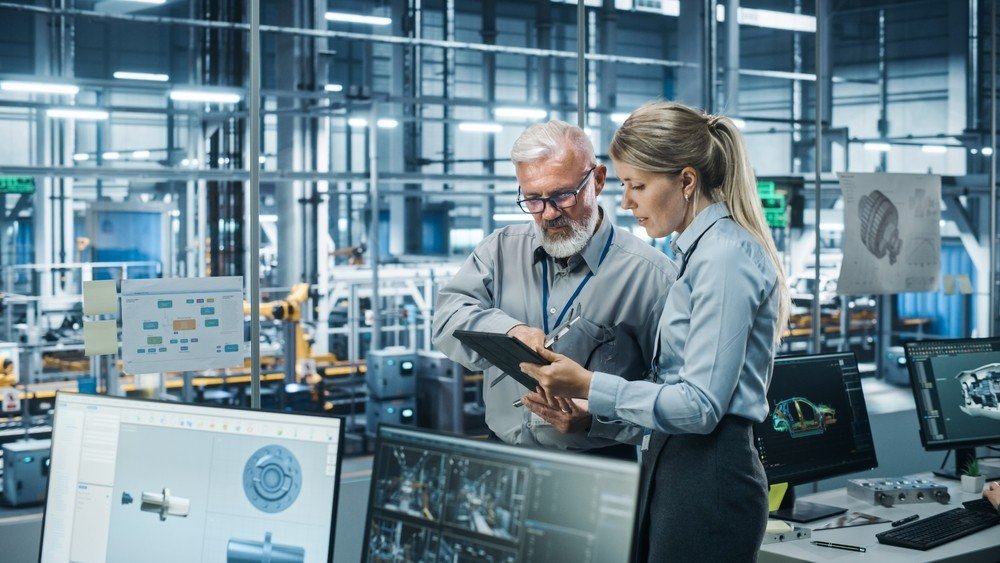
Six Sigma and Statistical Process Control
Six Sigma uses data and statistical analysis to reduce defects and variability in manufacturing processes. By following the DMAIC (Define, Measure, Analyze, Improve, Control) framework, teams can systematically address quality issues and maintain process improvements over time. Statistical Process Control (SPC) charts are also widely used to monitor process stability and detect deviations before they lead to defects.
Automation and Digital Transformation
Automation technologies, such as robotics and programmable logic controllers (PLCs), have become essential for boosting productivity and reducing human error. Digital transformation goes a step further by integrating sensors, IoT devices, and AI-driven analytics into the production line. These advancements enable real-time monitoring, predictive maintenance, and adaptive process control.
For example, integrating AI-powered vision systems can help manufacturers detect defects early, optimize inspection routines, and improve overall product quality. To learn more about how artificial intelligence is transforming quality control in the automotive sector, see our resource on automotive quality control using AI.
Implementing Manufacturing Process Optimization Techniques
Successfully applying optimization strategies requires a structured approach. Here’s a step-by-step guide to help manufacturers get started:
- Assess Current Processes: Begin by mapping out existing workflows, collecting baseline data, and identifying pain points. Tools like value stream mapping and process flow diagrams are invaluable at this stage.
- Set Clear Objectives: Define measurable goals, such as reducing cycle time, increasing yield, or lowering defect rates.
- Select Appropriate Techniques: Choose the most relevant optimization methods based on your specific challenges and resources. This could involve lean tools, Six Sigma, automation, or a combination.
- Engage the Workforce: Involve employees in brainstorming, problem-solving, and implementing changes. Their hands-on knowledge is often key to uncovering hidden inefficiencies.
- Monitor and Adjust: Use real-time data and feedback loops to track progress, make adjustments, and ensure improvements are sustained.
.png?width=950&name=Blogbeitrag%20Bilder%20(1).png)
Leveraging Data and Technology for Greater Efficiency
Modern manufacturing is increasingly data-driven. By harnessing the power of connected devices and analytics platforms, companies can gain deep insights into production performance. Key benefits include:
- Real-Time Monitoring: IoT sensors and dashboards provide up-to-the-minute visibility into equipment status, throughput, and quality metrics.
- Predictive Maintenance: Machine learning algorithms analyze historical data to predict equipment failures, reducing unplanned downtime.
- Process Simulation: Digital twins and simulation software allow manufacturers to test process changes virtually before implementing them on the shop floor.
For those interested in integrating smart technology into inspection routines, our article on IoT integration in inspection processes explores how connected systems are shaping the future of quality assurance.
Common Challenges and How to Overcome Them
While the benefits of process optimization are clear, manufacturers often encounter obstacles along the way. Some of the most common challenges include:
- Resistance to Change: Employees may be hesitant to adopt new methods or technologies. Overcoming this requires clear communication, training, and involving staff in the change process.
- Data Silos: Disconnected systems can make it difficult to access and analyze information. Investing in integrated platforms and standardized data protocols is essential.
- Resource Constraints: Limited budgets or expertise can slow down optimization projects. Prioritizing high-impact areas and seeking external expertise can help bridge gaps.
For practical advice on boosting production efficiency, this comprehensive guide to improving production line efficiency provides actionable tips and real-world examples.
Frequently Asked Questions
What are the most effective techniques for optimizing manufacturing processes?
The most effective methods often combine lean manufacturing, Six Sigma, automation, and continuous improvement practices. The right mix depends on your facility’s unique needs, but focusing on waste reduction, data-driven decision making, and employee engagement typically yields the best results.
How can technology help improve manufacturing efficiency?
Technology enables real-time monitoring, predictive maintenance, and process automation. By integrating IoT devices, AI, and analytics platforms, manufacturers can identify inefficiencies faster, reduce downtime, and maintain consistent product quality.
What role does employee involvement play in process optimization?
Engaging employees is critical for successful process improvement. Workers on the shop floor have firsthand knowledge of daily operations and can offer valuable insights into bottlenecks and potential solutions. Involving them in planning and implementation increases buy-in and ensures sustainable results.