
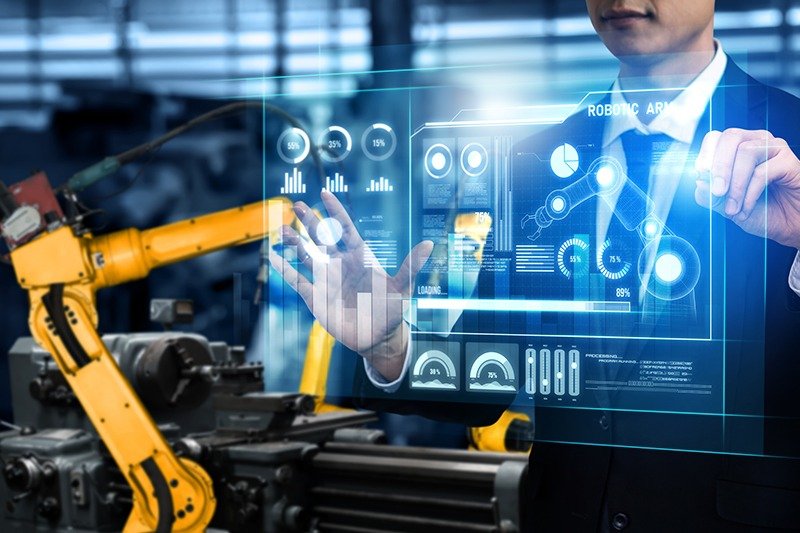
The healthcare industry relies on the highest standards of quality and safety, especially when it comes to medical devices. As technology advances, medical device inspection automation has become a critical tool for manufacturers and regulators to maintain these standards. Automated inspection systems, powered by artificial intelligence (AI) and advanced vision technologies, are transforming how devices are evaluated for defects, compliance, and reliability. This shift not only streamlines production but also helps protect patients by minimizing the risk of faulty equipment reaching the market.
In this article, we’ll explore how automated inspection is reshaping quality assurance for medical devices, the benefits and challenges of implementing these systems, and best practices for ensuring ongoing safety and regulatory compliance. For those interested in optimizing AI models used in inspection, understanding retraining strategies for ai inspection is essential to keep systems accurate and effective over time.
Why Automate Medical Device Quality Control?
Manual inspection has long been the standard in medical device manufacturing, but it comes with limitations. Human inspectors can be prone to fatigue, inconsistency, and error, especially when dealing with high volumes or complex products. By contrast, automated inspection systems offer:
- Consistency: Machines apply the same criteria to every device, reducing variability.
- Speed: Automated systems can process thousands of units per hour, accelerating throughput.
- Accuracy: AI-powered vision systems can detect minute defects invisible to the human eye.
- Traceability: Digital records make it easier to track inspection results and support regulatory audits.
These advantages are especially important in the medical sector, where even minor defects can have serious consequences for patient safety.

Key Technologies in Automated Medical Device Inspection
Modern inspection solutions combine several advanced technologies to deliver reliable results. Some of the most impactful include:
Machine Vision and Imaging
High-resolution cameras and optical sensors capture detailed images of each device. These images are analyzed in real time to identify surface defects, dimensional inaccuracies, or assembly errors. Machine vision systems are highly adaptable and can be trained to recognize a wide range of issues across different device types.
Artificial Intelligence and Deep Learning
AI algorithms, including deep learning models, are increasingly used to interpret visual data and classify defects. These systems improve over time as they are exposed to more examples, making them especially effective for complex or subtle inspection tasks. For manufacturers dealing with limited data, strategies like small dataset training for ai inspection can help maximize model performance.
Robotics and Automation
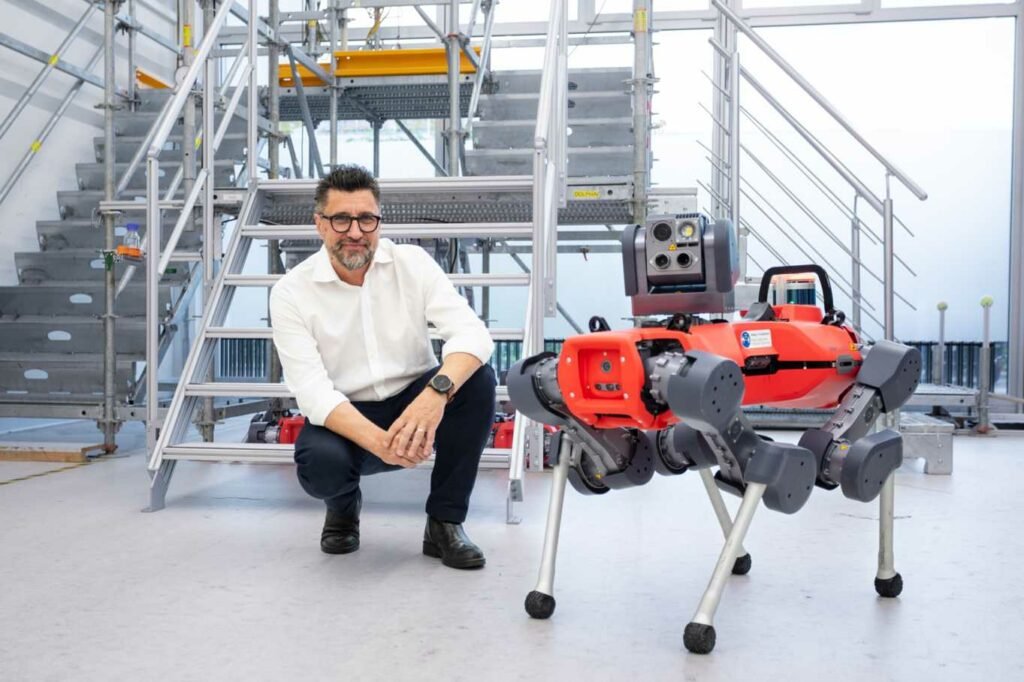
Robotic arms and conveyors automate the handling and positioning of devices during inspection. This reduces the risk of human contamination and ensures consistent presentation to the vision system. Robotics also enable integration with other manufacturing processes, supporting end-to-end automation.
Benefits of Automated Inspection for Medical Devices
The adoption of medical device inspection automation brings several important benefits to manufacturers and end users:
- Enhanced Patient Safety: Automated systems catch more defects, reducing the likelihood of unsafe devices reaching hospitals or clinics.
- Regulatory Compliance: Automated inspection helps meet stringent standards set by agencies like the FDA and ISO, with digital records supporting traceability and audits.
- Cost Savings: By reducing rework, recalls, and manual labor, automation can lower overall production costs.
- Scalability: Automated systems can easily scale to accommodate increased production volumes or new product lines.
- Data-Driven Insights: Inspection data can be analyzed to identify process improvements and optimize manufacturing quality.
For a deeper look at how AI-driven quality control is reshaping manufacturing, see this overview of AI’s benefits in quality control.
Challenges and Considerations in Implementing Inspection Automation
While the advantages are clear, transitioning to automated inspection in medical device manufacturing is not without challenges:
- Initial Investment: Setting up automated systems requires significant upfront costs for equipment, integration, and training.
- Data Requirements: AI models need large, high-quality datasets for training. Manufacturers may face hurdles in collecting enough defect samples, though approaches like overcoming data scarcity in inspection can help.
- Regulatory Approval: Automated systems must be validated and documented to satisfy regulatory authorities.
- Ongoing Maintenance: Inspection models must be retrained and updated to adapt to new device designs or manufacturing changes.
- Integration Complexity: Seamlessly connecting inspection automation with existing manufacturing execution systems (MES) and enterprise resource planning (ERP) platforms can be complex.
Despite these challenges, the long-term benefits of improved safety, efficiency, and compliance make automation a worthwhile investment for most medical device manufacturers.
Best Practices for Reliable Automated Inspection
To maximize the effectiveness of automated inspection, manufacturers should consider the following best practices:
- Start with a Pilot: Implement automation on a single product line to validate performance and identify integration issues before scaling up.
- Prioritize Data Quality: Collect diverse, high-quality images of both normal and defective devices to train AI models effectively.
- Continuous Model Improvement: Regularly update and retrain inspection algorithms to account for new defect types or changes in manufacturing processes. For more on this, explore retraining strategies for ai inspection.
- Ensure Traceability: Maintain detailed digital records of inspection results for each device, supporting both internal quality initiatives and regulatory audits. Learn more about traceability in ai-driven manufacturing.
- Validate and Document: Thoroughly validate automated systems and maintain documentation to meet regulatory requirements.
Future Trends in Automated Inspection for Medical Devices
The field of medical device inspection automation continues to evolve rapidly. Some emerging trends include:
- Vision Transformers: Advanced deep learning models like vision transformers for industrial use are enabling even more accurate and flexible defect detection.
- Edge AI: Deploying AI models directly on inspection hardware for real-time analysis, reducing latency and data transfer needs.
- Collaborative Robots (Cobots): Robots that can safely work alongside humans, combining the strengths of both for complex inspection tasks.
- Cloud-Based Analytics: Centralizing inspection data for advanced analytics, benchmarking, and remote monitoring.
As these technologies mature, automated inspection will become even more integral to ensuring the quality and safety of medical devices worldwide.
Frequently Asked Questions
How does automated inspection improve patient safety in medical device manufacturing?
Automated inspection systems use advanced imaging and AI algorithms to detect even the smallest defects or inconsistencies in medical devices. By catching issues that might be missed by human inspectors, these systems help prevent faulty products from reaching patients, thereby reducing the risk of adverse events and recalls.
What are the main regulatory considerations for implementing automated inspection?
Manufacturers must validate automated inspection systems to ensure they meet regulatory standards such as those set by the FDA or ISO. This involves documenting system performance, maintaining traceable records, and regularly updating inspection models to reflect changes in products or processes.
Can automated inspection systems adapt to new types of medical devices?
Yes, modern automated inspection solutions are highly adaptable. AI models can be retrained with new data to recognize different device types or defect patterns. This flexibility allows manufacturers to scale automation across multiple product lines as their offerings evolve.