
Multimodal data fusion for inspection is rapidly transforming quality control and defect detection across industries. By integrating information from multiple sensor types—such as visual, infrared, ultrasonic, and X-ray—organizations can achieve a more comprehensive understanding of product integrity and process reliability. This approach leverages the strengths of each modality, compensating for individual sensor limitations and enhancing overall inspection accuracy.
As manufacturing and industrial processes become more complex, the need for robust, automated inspection systems grows. Combining data from various sources not only improves defect detection rates but also supports traceability, process optimization, and compliance. For organizations seeking to maintain a competitive edge, understanding the principles and applications of multimodal fusion is essential.
A key consideration in deploying these advanced inspection systems is the ability to adapt and refine AI models over time. For insights on maintaining model performance, see retraining strategies for ai inspection, which explores how to keep inspection algorithms sharp as data evolves.
Understanding Multimodal Fusion in Automated Inspection
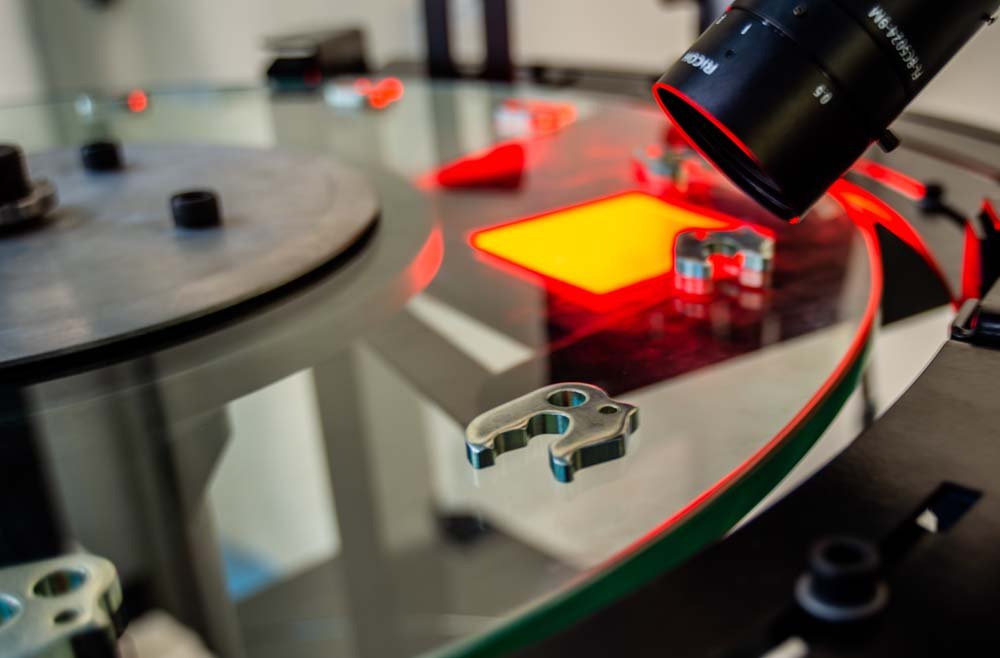
At its core, multimodal fusion refers to the process of integrating data from different sensor types to form a unified, richer representation. In the context of automated inspection, this might involve combining high-resolution images, thermal data, acoustic signals, and even chemical analysis outputs. Each modality offers unique information—visual cameras detect surface flaws, infrared sensors reveal heat patterns, and ultrasonic devices identify subsurface anomalies.
The fusion process can occur at various levels:
- Data-level fusion: Raw sensor data is combined before any feature extraction or processing.
- Feature-level fusion: Features are extracted from each modality and then merged for further analysis.
- Decision-level fusion: Each sensor’s output is analyzed independently, and their decisions are combined to reach a final verdict.
Selecting the appropriate fusion strategy depends on the application, available computational resources, and the nature of the defects being targeted.
Benefits of Integrating Multiple Modalities in Inspection
The adoption of multimodal data fusion for inspection brings several tangible advantages:
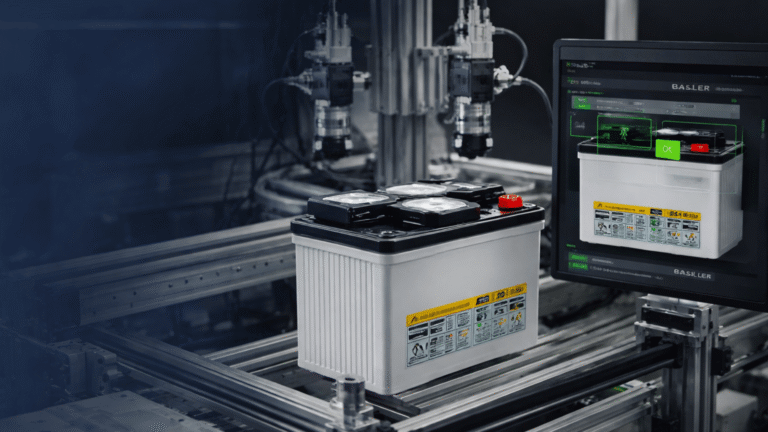
- Improved defect detection: By leveraging complementary information, systems can identify defects that might be missed by a single sensor.
- Reduced false positives and negatives: Fusing data helps filter out noise and ambiguities, leading to more reliable results.
- Enhanced robustness: If one sensor fails or provides poor data due to environmental factors, others can compensate.
- Comprehensive analysis: Multimodal systems can assess both surface and subsurface characteristics, offering a holistic view of product quality.
For industries such as electronics, automotive, aerospace, and pharmaceuticals, these benefits translate to higher product reliability, fewer recalls, and greater customer satisfaction.
Key Technologies Enabling Multimodal Fusion
Several technological advancements have made it feasible to implement multimodal fusion in real-world inspection settings:
- Advanced sensors: Modern cameras, infrared detectors, and ultrasonic probes offer high resolution and fast data acquisition.
- Machine learning and AI: Deep learning models, including convolutional neural networks and transformers, excel at extracting and combining features from diverse data sources.
- Edge computing: Processing data close to the source reduces latency and enables real-time decision-making.
- Industrial IoT platforms: Seamless connectivity and data integration across the factory floor support large-scale deployment.
Recent developments in vision transformers for industrial use are particularly promising, as these architectures can efficiently handle heterogeneous data and complex relationships between modalities.
Challenges in Deploying Multimodal Inspection Systems
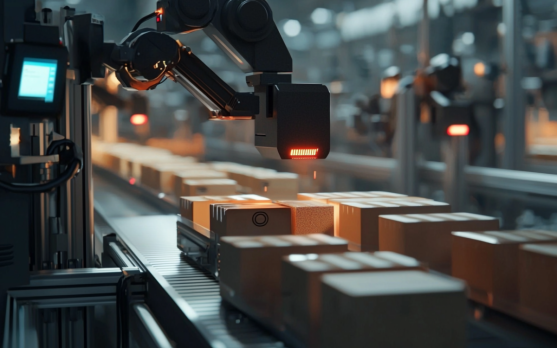
While the benefits are clear, implementing multimodal fusion in inspection comes with technical and operational challenges:
- Data alignment and synchronization: Different sensors may operate at varying frequencies or resolutions, requiring precise calibration.
- Data volume and storage: Combining multiple high-bandwidth streams can strain storage and processing infrastructure.
- Model complexity: Designing AI models that can effectively learn from heterogeneous data is non-trivial.
- Labeling and ground truth: Creating annotated datasets for training and validation is more demanding when multiple modalities are involved.
- Cost and integration: Upfront investment in sensors, software, and integration can be significant, especially for legacy systems.
To address these issues, manufacturers are increasingly turning to modular architectures and scalable cloud solutions. For example, AI-driven quality control platforms offer flexible integration with existing equipment and support for various data types.
Applications Across Industries
Multimodal fusion is not limited to a single sector. Its applications span a wide range of industries:
- Electronics manufacturing: Detecting micro-cracks and soldering defects using combined optical and X-ray inspection.
- Automotive assembly: Ensuring weld integrity and paint quality through visual, ultrasonic, and thermal analysis.
- Aerospace: Non-destructive testing of composite materials by merging ultrasonic, infrared, and visual data.
- Pharmaceuticals: Verifying packaging and fill levels with a blend of visual and weight sensors.
In each case, the fusion of multiple data streams leads to more reliable, repeatable, and actionable inspection outcomes.
Best Practices for Implementing Multimodal Fusion
Organizations looking to adopt multimodal data fusion for inspection should consider the following best practices:
- Define clear objectives: Identify the specific defects or quality parameters to be addressed.
- Select appropriate modalities: Choose sensors that provide complementary information relevant to the inspection task.
- Invest in data infrastructure: Ensure robust data acquisition, storage, and processing capabilities.
- Prioritize model retraining: Regularly update AI models to adapt to new data and changing process conditions. For guidance, see overcoming data scarcity in inspection for strategies on handling limited training data.
- Integrate with traceability systems: Link inspection results to product and process records for end-to-end quality assurance. Learn more about traceability in ai-driven manufacturing to support compliance and root-cause analysis.
By following these steps, manufacturers can maximize the value of their inspection investments and build a foundation for continuous improvement.
Future Trends in Multimodal Inspection
The field continues to evolve, with several trends shaping the future of automated inspection:
- AI-powered self-learning systems: Inspection platforms that automatically adapt to new defect types and process variations.
- Cloud-based analytics: Centralized data fusion and analysis for multi-site operations and remote monitoring.
- Edge AI: Real-time fusion and decision-making at the sensor or device level, reducing latency and bandwidth requirements.
- Smaller, smarter sensors: Miniaturized devices that can be deployed in challenging environments or embedded within products.
As these technologies mature, the adoption of multimodal approaches will become more accessible—even for small and medium-sized manufacturers. For those working with limited data, small dataset training for ai inspection offers practical tips for building effective models with constrained resources.
FAQ
What is the main advantage of using multimodal fusion in inspection?
The primary benefit is improved accuracy and reliability. By combining data from multiple sensors, inspection systems can detect a wider range of defects and reduce the likelihood of false results.
How do companies choose which sensor modalities to combine?
Selection depends on the specific inspection task and the types of defects to be detected. For example, visual cameras are ideal for surface flaws, while ultrasonic sensors are better for subsurface issues. The goal is to use complementary modalities that together provide a more complete assessment.
Is it possible to implement multimodal fusion with limited data?
Yes, but it requires careful planning. Techniques such as transfer learning, data augmentation, and leveraging synthetic data can help overcome data scarcity. Regular model retraining and validation are also important to maintain performance.