
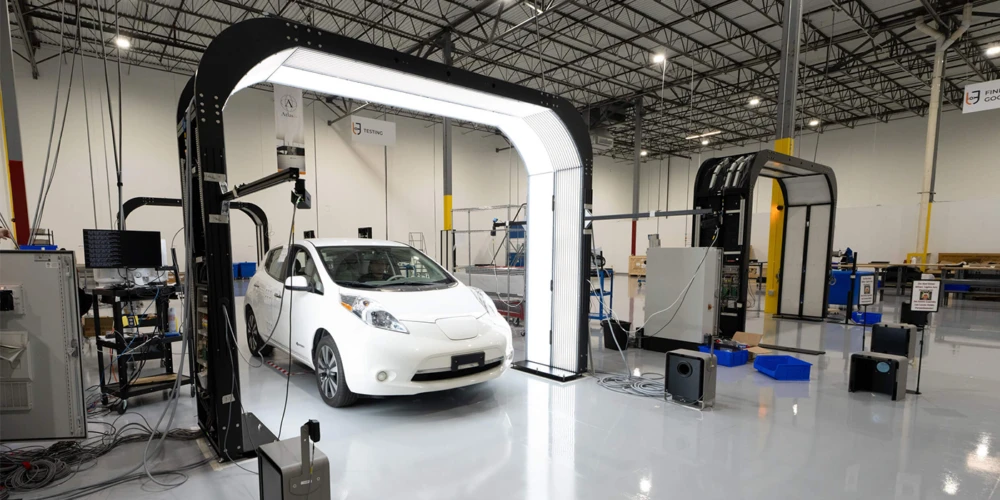
The manufacturing sector is under constant pressure to improve quality, reduce waste, and optimize costs. Plastic injection molding ai inspection has emerged as a transformative solution, enabling manufacturers to detect defects early, minimize scrap rates, and maintain consistent product quality. By leveraging artificial intelligence, companies can automate the inspection process, identify subtle flaws, and make data-driven decisions that directly impact their bottom line.
Traditional inspection methods often rely on manual checks or basic machine vision, which can miss minute defects or introduce human error. AI-powered systems, however, bring a new level of accuracy and speed to the process. This guide explores how artificial intelligence is reshaping quality control in plastic injection molding, the benefits it brings, and practical steps for implementation.
For manufacturers looking to keep their AI models performing at their best, exploring retraining strategies for ai inspection can be a valuable next step. Regularly updating inspection models ensures they remain accurate as production conditions and defect types evolve.
How AI Inspection Is Transforming Plastic Injection Molding
The introduction of AI-driven inspection in plastic molding facilities has significantly changed how defects are detected and managed. Unlike conventional vision systems, AI solutions use deep learning algorithms to analyze images of molded parts, recognizing patterns and anomalies that may indicate defects such as warping, short shots, sink marks, or surface blemishes.
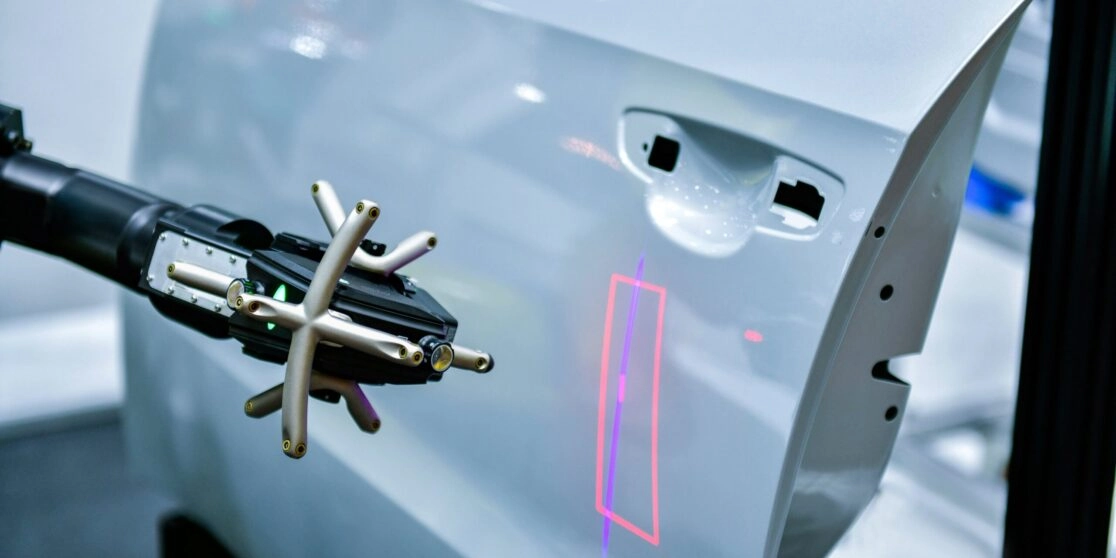
AI inspection systems are trained on vast datasets of both acceptable and defective parts. Over time, they learn to distinguish between normal variations and true defects, even when those defects are subtle or rare. This leads to higher detection rates, fewer false positives, and a more consistent quality assurance process.
Key Benefits of AI-Powered Quality Control
Implementing plastic injection molding ai inspection brings several advantages:
- Reduced Scrap Rates: Early and accurate defect detection means fewer defective parts reach downstream processes, directly lowering scrap and rework costs.
- Consistent Product Quality: AI systems maintain high inspection standards, ensuring every part meets specifications regardless of operator fatigue or shift changes.
- Faster Feedback Loops: Real-time analysis allows for immediate feedback to machine operators, enabling quick adjustments and preventing recurring defects.
- Scalability: AI inspection can handle high volumes and adapt to new product lines with minimal reconfiguration.
- Data-Driven Insights: Detailed inspection data helps identify root causes of defects, supporting continuous improvement initiatives.
Reducing Scraps with Intelligent Defect Detection
One of the most significant impacts of AI inspection in plastic molding is the reduction of scrap material. By catching defects earlier in the process, manufacturers can intervene before large batches of parts are affected. This not only saves material costs but also reduces downtime and improves overall equipment effectiveness.
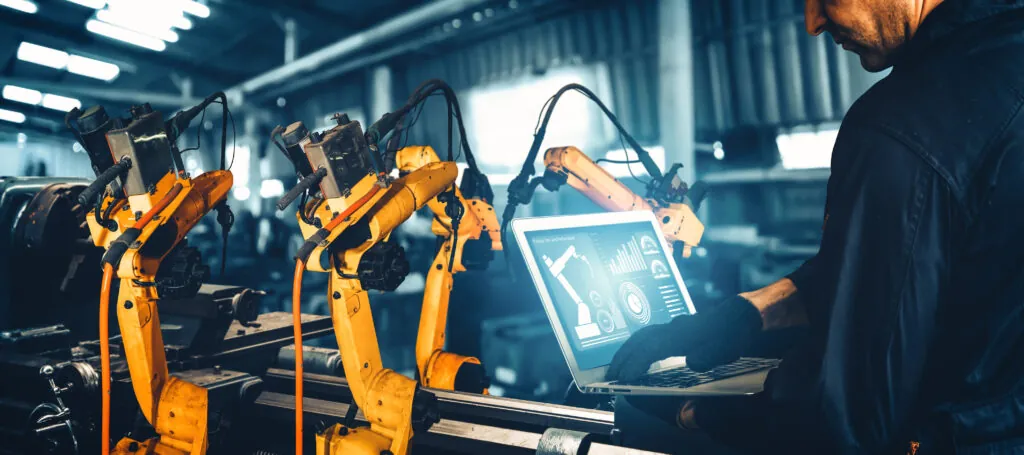
AI systems excel at identifying issues like incomplete fills, flash, or surface imperfections that might be missed during manual inspection. By integrating these systems directly into the production line, companies can achieve near 100% inspection coverage, ensuring that only parts meeting quality standards move forward.
Challenges and Considerations for Implementation
While the benefits are clear, adopting ai inspection for plastic injection molding does come with challenges. High-quality training data is essential for accurate defect detection. Manufacturers may face issues with data scarcity, especially when dealing with rare defect types. Addressing this requires strategies such as data augmentation or leveraging synthetic data, as discussed in resources on overcoming data scarcity in inspection.
Another consideration is the need for ongoing model maintenance. As production conditions change, AI models must be retrained to stay effective. This involves collecting new data, annotating defects, and updating the system regularly. Additionally, integrating AI inspection with existing manufacturing execution systems (MES) and traceability solutions can further enhance quality control, as explored in topics like traceability in ai-driven manufacturing.
Best Practices for Deploying AI Inspection in Molding Operations
To maximize the value of AI-powered inspection, manufacturers should follow these best practices:
- Start with a Pilot Project: Begin by deploying AI inspection on a single production line or product type to validate performance and ROI.
- Invest in Quality Data: Collect diverse images of both good and defective parts, ensuring the dataset represents real-world production variability.
- Collaborate with Experts: Work with AI specialists and domain experts to fine-tune models and interpret results effectively.
- Plan for Scalability: Choose solutions that can be easily expanded to additional lines or facilities as needs grow.
- Monitor and Retrain: Establish processes for continuous monitoring and periodic retraining to maintain high accuracy.
For organizations working with limited data, exploring small dataset training for ai inspection can help jumpstart AI initiatives without the need for massive image libraries.
AI Technologies Driving Inspection Innovation
Recent advances in computer vision, such as vision transformers for industrial use, have further improved the accuracy and flexibility of inspection systems. These models can process complex visual information and adapt to new defect types more efficiently than traditional convolutional neural networks.
AI inspection platforms often include user-friendly interfaces for labeling defects, reviewing flagged parts, and generating reports. Integration with cloud-based analytics enables remote monitoring and benchmarking across multiple facilities.
Industry Examples and Results
Manufacturers adopting AI inspection in plastic molding have reported measurable improvements, including:
- Scrap rate reductions of 30% or more within the first year of deployment.
- Faster root cause analysis, leading to fewer recurring defects.
- Improved compliance with customer and regulatory quality standards.
- Enhanced traceability and documentation for audits.
These outcomes demonstrate the tangible value of integrating AI into quality control workflows. For a broader perspective on how AI is enhancing quality control across industries, see this overview of AI solutions for quality control.
Frequently Asked Questions
How does AI inspection differ from traditional machine vision in plastic molding?
Traditional machine vision relies on fixed rules and simple image processing techniques, which may struggle with complex or subtle defects. AI inspection uses deep learning to learn from examples, enabling it to detect a wider range of issues and adapt to changes in production.
What types of defects can AI detect in injection molded parts?
AI systems can identify a variety of defects, including short shots, warping, sink marks, flash, surface scratches, and color inconsistencies. The system’s accuracy depends on the quality and diversity of the training data provided.
Is it possible to implement AI inspection with a small dataset?
Yes, with techniques such as data augmentation, transfer learning, and synthetic data generation, manufacturers can achieve reliable results even with limited data. For more details, refer to resources on small dataset training for inspection tasks.
How often should AI inspection models be retrained?
Retraining frequency depends on changes in production, materials, or defect types. Regular monitoring and periodic retraining—such as quarterly or after significant process changes—help maintain high inspection accuracy.
In summary, plastic injection molding ai inspection is a powerful tool for reducing scrap, improving quality, and driving operational efficiency. By following best practices and staying informed about the latest AI technologies, manufacturers can ensure their inspection processes remain robust and competitive.