

Achieving higher productivity and reducing waste are ongoing goals for any manufacturing or industrial operation. A well-structured production efficiency improvement plan can help organizations streamline processes, cut costs, and boost overall output. By following a systematic approach, businesses can identify bottlenecks, implement targeted solutions, and measure progress over time. This article provides a clear, actionable roadmap for enhancing manufacturing performance, drawing on proven strategies and industry best practices.
For organizations leveraging advanced technologies, integrating retraining strategies for AI inspection can further support continuous improvement and maintain high standards of quality control.
Understanding the Need for a Structured Approach
Improving efficiency in production environments is not just about working faster; it’s about working smarter. Without a clear plan, efforts to optimize processes can become fragmented or ineffective. A production efficiency improvement plan provides a framework for identifying inefficiencies, setting realistic goals, and tracking progress. This structured approach ensures that changes are sustainable and aligned with broader business objectives.
Key Steps to Enhance Manufacturing Efficiency
1. Assess Current Operations and Gather Data
The first step is to conduct a thorough assessment of your existing production processes. This involves collecting data on cycle times, machine utilization, labor productivity, and defect rates. Use tools such as value stream mapping or process flow diagrams to visualize workflows and pinpoint areas of waste or delay.
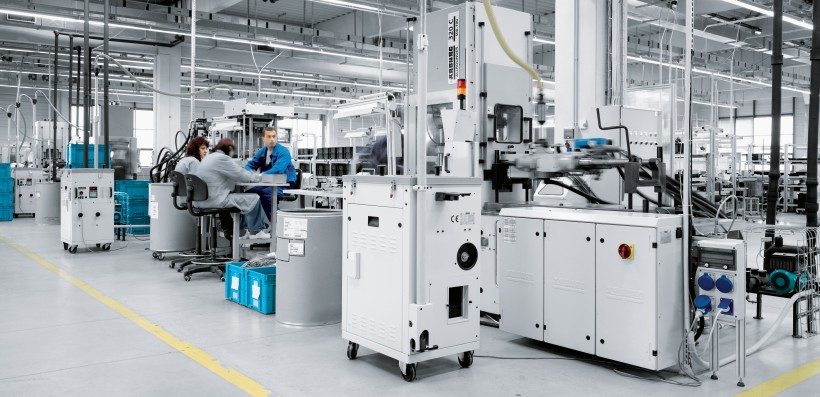
Engaging frontline employees during this phase can provide valuable insights. Workers often have firsthand knowledge of recurring issues or inefficiencies that may not be visible in reports. Encourage open communication and feedback to ensure all perspectives are considered.
2. Set Clear, Measurable Goals
Once you have a baseline understanding, define specific objectives for your improvement plan. Goals should be measurable, achievable, and aligned with overall business priorities. For example, you might aim to reduce machine downtime by 15% within six months or increase output per shift by 10%. Setting clear targets helps maintain focus and provides a benchmark for evaluating success.
3. Identify and Prioritize Improvement Opportunities
Not all inefficiencies are equally impactful. Use the data gathered to prioritize areas that offer the greatest potential for improvement. Consider factors such as cost savings, customer impact, and ease of implementation. Techniques like Pareto analysis (the 80/20 rule) can help highlight the most significant contributors to inefficiency.
For organizations exploring advanced manufacturing solutions, reviewing vision transformers for industrial use may reveal opportunities for automation and enhanced inspection accuracy.
4. Develop and Implement Targeted Solutions
With priorities set, design specific interventions to address root causes of inefficiency. These solutions might include:
- Introducing automation or robotics to reduce manual handling
- Standardizing work procedures and documentation
- Upgrading equipment or performing preventive maintenance
- Providing additional training for staff
- Reorganizing workstations for better flow
Pilot new processes on a small scale before full implementation. This allows you to test effectiveness, gather feedback, and make adjustments as needed.

5. Monitor Progress and Measure Results
Continuous monitoring is essential to ensure that changes deliver the intended benefits. Track key performance indicators (KPIs) such as throughput, defect rates, and equipment uptime. Use dashboards or regular reports to keep stakeholders informed and engaged.
If results fall short of expectations, revisit your plan and adjust strategies as needed. Ongoing measurement creates a culture of accountability and supports sustained improvement.
6. Foster a Culture of Continuous Improvement
Sustainable gains in productivity require more than one-time changes. Encourage a mindset of ongoing improvement by involving employees at all levels, recognizing achievements, and providing opportunities for skill development. Implementing regular review cycles and feedback mechanisms helps maintain momentum and adapt to evolving business needs.
Best Practices for Sustaining Efficiency Gains
To ensure long-term success, organizations should embed improvement activities into their daily operations. Consider these best practices:
- Standardize successful processes and document best practices for easy replication.
- Invest in employee training to keep skills current and encourage innovation.
- Leverage digital tools for real-time data collection and analysis.
- Maintain open communication channels to surface new ideas and concerns quickly.
- Regularly review and update the improvement plan to reflect changing conditions.
For manufacturers facing challenges with limited data, exploring small dataset training for AI inspection can help optimize quality control even in data-scarce environments.
Leveraging Technology and Data Analytics
Modern production environments benefit greatly from technology-driven solutions. Implementing sensors, IoT devices, and advanced analytics can provide real-time insights into machine performance and process variability. These tools enable proactive maintenance, faster problem-solving, and more informed decision-making.
For a deeper dive into how digital solutions can transform manufacturing, see this comprehensive guide on improving production efficiency with ERP and automation.
Common Challenges and How to Overcome Them
While a production efficiency improvement plan offers a clear path forward, organizations may encounter obstacles such as resistance to change, lack of resources, or insufficient data. Address these challenges by:
- Communicating the benefits of proposed changes to all stakeholders
- Securing leadership support and allocating necessary resources
- Starting with small, manageable projects to build momentum
- Utilizing external expertise or benchmarking against industry peers
Emphasizing transparency and involving employees in decision-making can help reduce resistance and foster a sense of ownership over the improvement process.
Frequently Asked Questions
What are the main components of a production efficiency improvement plan?
The essential elements include assessing current operations, setting measurable goals, identifying improvement opportunities, implementing targeted solutions, monitoring progress, and fostering a culture of continuous improvement.
How can technology help increase production efficiency?
Technology such as automation, IoT sensors, and data analytics enables real-time monitoring, predictive maintenance, and process optimization. These tools help reduce downtime, improve quality, and support data-driven decision-making.
What is the best way to sustain improvements over time?
Sustaining gains requires embedding improvement activities into daily routines, standardizing successful processes, investing in ongoing training, and regularly reviewing performance data to identify new opportunities.
Conclusion
Implementing a step-by-step approach to boosting production efficiency delivers measurable results and supports long-term competitiveness. By assessing current operations, setting clear goals, prioritizing impactful changes, and leveraging technology, organizations can achieve significant gains in productivity and quality. Regular review and a commitment to continuous improvement ensure that these benefits are sustained in a rapidly evolving industrial landscape.