
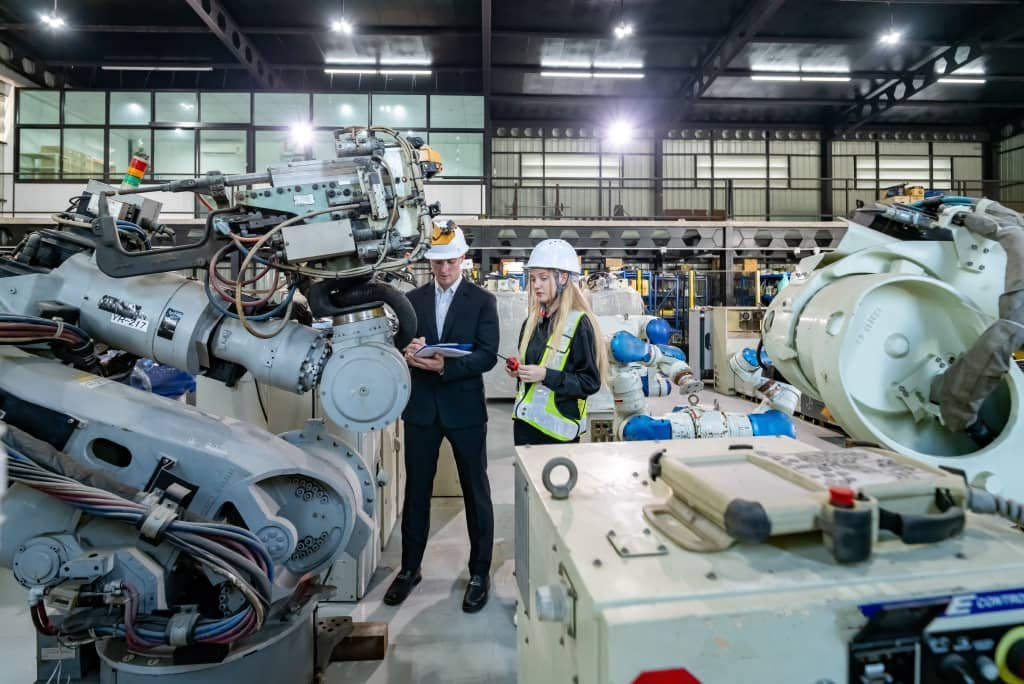
In today’s fast-paced manufacturing and industrial environments, maintaining consistent product quality is more critical than ever. Quality deviation detection systems play a central role in ensuring that products meet stringent standards, helping organizations identify and address errors as soon as they occur. These advanced solutions use a combination of sensors, data analytics, and automation to monitor processes in real time, reducing the risk of defects and costly recalls.
As production lines become more complex, manual inspection methods often fall short. Automated detection systems offer a proactive approach, instantly flagging deviations from expected parameters and allowing teams to take corrective action before issues escalate. For manufacturers seeking to optimize efficiency and minimize waste, investing in robust monitoring technology is no longer optional—it’s essential.
For those interested in a broader perspective on plant performance, understanding manufacturing performance indicators can provide valuable context for how quality monitoring fits into overall operational excellence.
How Automated Quality Detection Works
Modern quality deviation detection systems rely on a blend of hardware and software to continuously monitor production lines. Sensors collect data on key parameters such as dimensions, weight, color, temperature, and more. This information is then analyzed in real time by sophisticated algorithms that compare current values to predefined standards or historical baselines.
When a deviation is detected—whether it’s a minor inconsistency or a significant error—the system triggers alerts. These notifications can be sent to operators, supervisors, or even integrated with automated machinery to halt production or reroute items for further inspection. By catching anomalies early, companies can prevent defective products from reaching customers and avoid downstream disruptions.
Key Benefits of Real-Time Deviation Monitoring
Implementing automated detection brings a range of advantages to manufacturing operations:
- Instant error identification: Issues are spotted the moment they arise, enabling rapid response and minimizing the spread of defects.
- Reduced waste: By catching problems early, fewer materials are wasted on faulty products.
- Improved compliance: Consistent monitoring helps ensure products meet regulatory and customer requirements.
- Enhanced productivity: Automated systems free up human inspectors for higher-value tasks and reduce the risk of human error.
- Data-driven insights: Continuous data collection supports long-term process improvement and root cause analysis.
Core Components of Deviation Detection Solutions
A typical system designed to spot quality deviations includes several integrated elements:
- Sensors and measurement devices: These capture real-time data on product characteristics and environmental conditions.
- Data acquisition hardware: Interfaces that collect, digitize, and transmit sensor data to processing units.
- Analytical software: Algorithms and machine learning models that analyze incoming data for anomalies or out-of-spec readings.
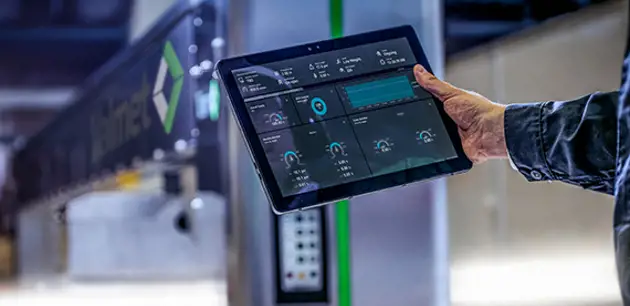
- Alerting and reporting tools: Dashboards, alarms, and notifications that inform staff of detected issues.
- Integration with process controls: Automated feedback loops that can adjust equipment settings or halt production when necessary.
These components work together to deliver a seamless, end-to-end monitoring solution that can be tailored to the unique needs of different industries and product types.
Applications Across Manufacturing Sectors
Quality deviation detection systems are used in a wide variety of industries, from automotive and electronics to food processing and pharmaceuticals. In each case, the goal is to ensure that every item leaving the production line meets strict quality criteria.
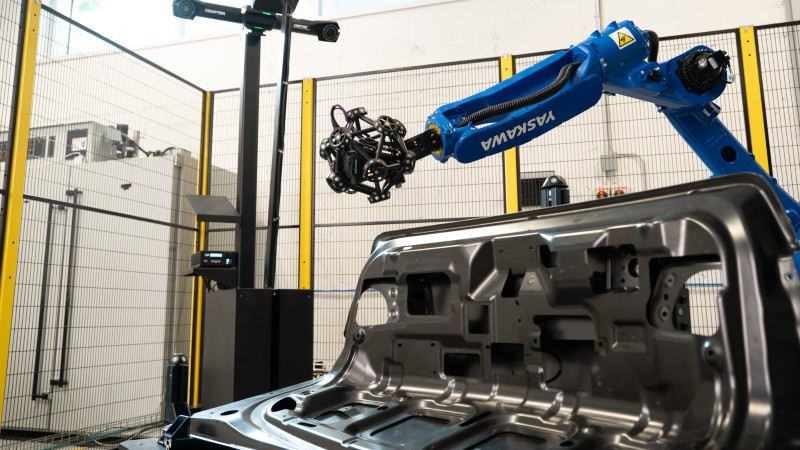
For example, in sheet metal fabrication, automated inspection tools can measure thickness, flatness, and surface finish at high speed, identifying even subtle defects that might escape manual checks. In packaging, vision systems verify label placement, seal integrity, and barcode readability to prevent shipping errors and recalls. For more on how quality monitoring can prevent costly mistakes, see this guide to packaging line quality monitoring.
Integrating Deviation Detection with Broader Quality Initiatives
While automated detection is powerful on its own, its value increases when integrated with other quality management tools. For instance, linking real-time monitoring with quality KPI tracking systems enables organizations to measure the impact of deviations on overall performance. Similarly, combining detection with OEE monitoring and quality control helps identify bottlenecks and optimize plant efficiency.
A holistic approach that includes downtime reduction through quality monitoring can further enhance productivity and profitability. By leveraging data from multiple sources, manufacturers gain a comprehensive view of their operations and can make more informed decisions about process improvements.
Continuous Monitoring and Future Trends
The evolution of quality deviation detection systems is closely tied to advances in automation, artificial intelligence, and Industrial Internet of Things (IIoT) technologies. Modern solutions are increasingly capable of self-learning, adapting to new products or process changes with minimal human intervention.
Continuous monitoring is now considered a best practice in many industries, as outlined in resources like this comprehensive overview of continuous monitoring. As data analytics and connectivity improve, detection systems will become even more accurate, predictive, and integrated with broader digital transformation initiatives.
Best Practices for Implementing Detection Technology
To maximize the benefits of automated error detection, organizations should consider the following best practices:
- Define clear quality standards: Establish measurable criteria for what constitutes a deviation or defect.
- Choose scalable solutions: Select systems that can grow with your production needs and adapt to new products.
- Invest in training: Ensure staff understand how to interpret alerts and use monitoring dashboards effectively.
- Integrate with existing systems: Connect detection tools with ERP, MES, and other enterprise platforms for seamless data flow.
- Regularly review and update thresholds: Fine-tune detection parameters based on historical data and process changes.
By following these guidelines, manufacturers can reduce the risk of undetected errors, improve customer satisfaction, and maintain a competitive edge.
Frequently Asked Questions
What types of errors can automated detection systems identify?
These solutions can spot a wide range of issues, including dimensional inaccuracies, surface defects, missing components, incorrect labeling, and process deviations such as temperature or pressure anomalies. The specific types of errors depend on the sensors and analytics used in the system.
How do quality deviation detection systems differ from traditional inspection methods?
Unlike manual inspections, which rely on human observation and are often performed at intervals, automated systems provide continuous, real-time monitoring. This allows for instant identification of problems and reduces the risk of human error or oversight.
Are these systems suitable for small and medium-sized manufacturers?
Yes, modern solutions are increasingly accessible and scalable, making them suitable for organizations of all sizes. Many vendors offer modular options that can be tailored to specific production needs and budgets.