
The rapid growth of solar energy has made efficient maintenance and quality assurance more important than ever. As solar farms expand, manual inspections become increasingly impractical, time-consuming, and prone to human error. Solar panel defect detection via drones and artificial intelligence (AI) vision systems is transforming how the industry identifies and addresses faults, ensuring higher energy yields and reducing operational costs.
Combining drone technology with advanced machine vision allows for fast, accurate, and scalable inspection of vast solar arrays. This approach not only detects defects such as microcracks, hotspots, and delamination but also provides actionable data for predictive maintenance. In this article, we’ll explore how these technologies work together, their benefits, and best practices for implementation.
For those interested in optimizing AI inspection systems, understanding retraining strategies for ai inspection can further enhance the accuracy and reliability of defect detection models.
How Drone-Based Inspections Are Changing Solar Panel Maintenance
Traditional methods for inspecting solar panels typically involve manual visual checks or handheld thermal cameras. These methods are labor-intensive, slow, and often miss subtle defects. By contrast, drone-based solar panel inspections leverage aerial platforms equipped with high-resolution and thermal imaging cameras, enabling rapid coverage of large installations.
Drones can fly pre-programmed routes, capturing thousands of images in a single flight. These images are then analyzed by AI vision systems to detect anomalies that indicate defects. The result is a comprehensive, data-driven overview of the solar farm’s health, delivered in a fraction of the time required for manual inspections.
Key Technologies Behind Automated Solar Panel Defect Detection
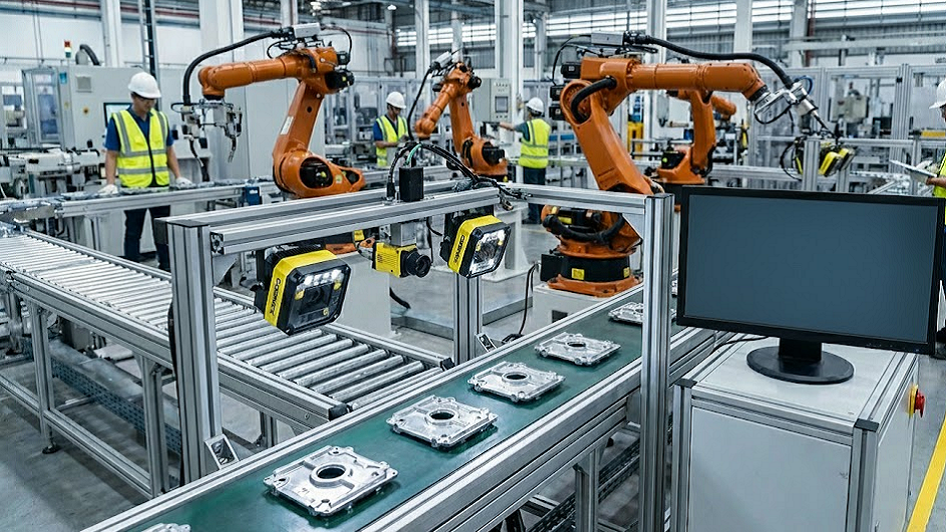
The effectiveness of solar panel defect detection via drones relies on the synergy between several advanced technologies:
- High-Resolution Imaging: Drones are equipped with visual and infrared cameras to capture detailed images of each panel, revealing both visible and hidden defects.
- AI Vision Algorithms: Machine learning models, including convolutional neural networks (CNNs) and vision transformers, process the captured images to identify patterns and anomalies associated with common faults.
- Data Integration: Inspection data is integrated with asset management systems, enabling predictive maintenance and trend analysis.
Recent advancements in vision transformers for industrial use are pushing the boundaries of accuracy and speed in automated defect detection, making these systems even more effective for solar applications.
Types of Defects Detected by Drones and AI Vision
Aerial inspections powered by AI can identify a wide range of defects, including:
- Hotspots: Areas of elevated temperature that indicate electrical or physical issues.
- Microcracks: Small fractures in cells that may not be visible to the naked eye but can reduce efficiency.
- Delamination: Separation of panel layers, often leading to reduced performance.
- Soiling: Accumulation of dirt or debris, which can be mapped for targeted cleaning.
- Bypass Diode Failures: Detected through thermal imaging as abnormal heating patterns.
AI vision systems are trained on large datasets to recognize these and other defects, continuously improving as more inspection data is collected. For organizations facing challenges with limited labeled data, strategies for overcoming data scarcity in inspection can help maintain high model performance.
Benefits of Using Drones and AI for Solar Panel Inspection
The adoption of drone and AI-based inspection methods offers several compelling advantages:
- Speed and Efficiency: Large solar farms can be inspected in hours rather than days, minimizing downtime.
- Accuracy: AI vision reduces human error and consistently identifies subtle or hidden defects.
- Cost Savings: Automated inspections lower labor costs and help prevent costly energy losses due to undetected faults.
- Safety: Drones eliminate the need for technicians to physically access hazardous or hard-to-reach areas.
- Data-Driven Maintenance: Detailed inspection reports enable targeted repairs and predictive maintenance, extending asset lifespan.
For a deeper look at how AI is transforming quality control and reducing operational costs, see this resource on reducing rework costs with ai vision.
Additionally, the key benefits of AI in quality control extend beyond solar, offering insights into broader industrial applications.
Best Practices for Implementing Drone and AI Vision Inspections
To maximize the value of automated inspections, solar operators should consider the following best practices:
- Choose the Right Hardware: Select drones with suitable payload capacity and imaging capabilities for your specific site and panel types.
- Train AI Models on Relevant Data: Use diverse datasets that reflect the range of defects and environmental conditions present in your installations.
- Integrate with Maintenance Workflows: Ensure inspection results are seamlessly connected to maintenance scheduling and asset management systems.
- Regularly Update and Retrain Models: As new defect types emerge or panel technologies evolve, keep AI models current to maintain high detection accuracy.
- Monitor Performance Metrics: Track false positives, missed detections, and inspection times to continuously improve the process.
Understanding pattern recognition for quality assurance can also help teams interpret AI-generated results and make informed maintenance decisions.
Challenges and Considerations in Automated Solar Panel Inspection
While the benefits are significant, there are challenges to address:
- Data Quality: Poor image quality due to weather or lighting can impact detection accuracy.
- Model Generalization: AI models must be robust to variations in panel types, installation angles, and environmental factors.
- Regulatory Compliance: Drone operations must comply with local aviation regulations and privacy laws.
- Initial Investment: Upfront costs for drones and AI systems can be substantial, though they are often offset by long-term savings.
Continuous improvement through feedback loops, retraining, and validation is essential for maintaining reliable performance in real-world conditions.
FAQ
How accurate are drone and AI-based solar panel inspections?
When properly implemented, drone and AI vision systems can achieve detection rates exceeding 90% for common defects such as hotspots and microcracks. Accuracy depends on image quality, model training, and the diversity of the inspection dataset.
What types of solar panel defects can drones and AI detect?
These systems can identify a wide range of issues, including hotspots, microcracks, delamination, soiling, and bypass diode failures. Thermal and visual imaging, combined with AI algorithms, enable comprehensive fault detection.
Is it necessary to retrain AI models for different solar farms?
Yes, retraining is recommended when deploying to new sites with different panel types, layouts, or environmental conditions. This ensures the AI system adapts to local variations and maintains high detection accuracy.