
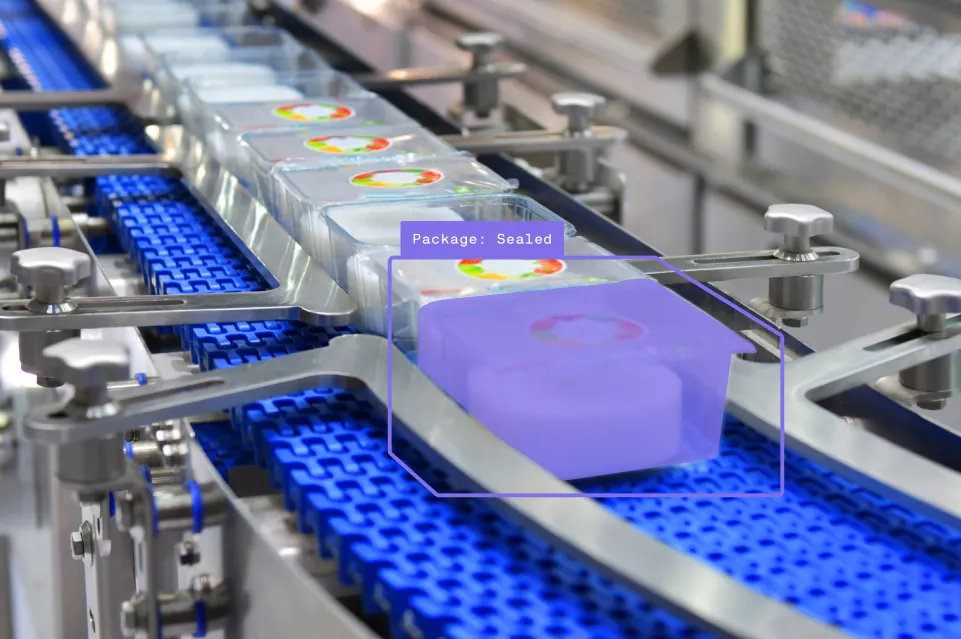
Ensuring the safety and reliability of critical infrastructure is a top priority across industries such as construction, manufacturing, transportation, and energy. As structures age and demands on them increase, traditional inspection methods are often challenged by subjectivity, time constraints, and the sheer scale of assets requiring evaluation. Structural integrity assessment using AI is rapidly transforming how organizations approach safety, offering new levels of accuracy, efficiency, and predictive insight.
By leveraging advanced algorithms, computer vision, and machine learning, AI-driven solutions can detect subtle defects, analyze vast datasets, and provide actionable recommendations. This approach not only reduces human error but also enables more proactive maintenance, helping prevent catastrophic failures and costly downtime.
For organizations seeking to keep their AI models effective over time, exploring retraining strategies for ai inspection is essential to maintain high detection accuracy as conditions and data evolve.
How AI Is Revolutionizing Structural Health Monitoring
The integration of artificial intelligence into structural health monitoring (SHM) represents a significant leap forward. Traditional SHM relies on periodic manual inspections, sensor readings, and expert judgment. While effective, these methods can be labor-intensive and may miss early-stage defects. In contrast, AI-powered assessment tools can process data from a wide range of sources—such as images, vibration sensors, and environmental monitors—at scale and in real time.
Key advantages of using AI in this context include:
- Automated defect detection: Computer vision algorithms can identify cracks, corrosion, or deformation in structural components with high precision.
- Predictive analytics: Machine learning models analyze historical and real-time data to forecast potential failures before they occur.
- Continuous monitoring: AI systems can operate 24/7, providing ongoing insights and reducing the risk of undetected issues.
- Data-driven decision-making: Engineers and asset managers receive objective, quantifiable information to guide maintenance and repair priorities.
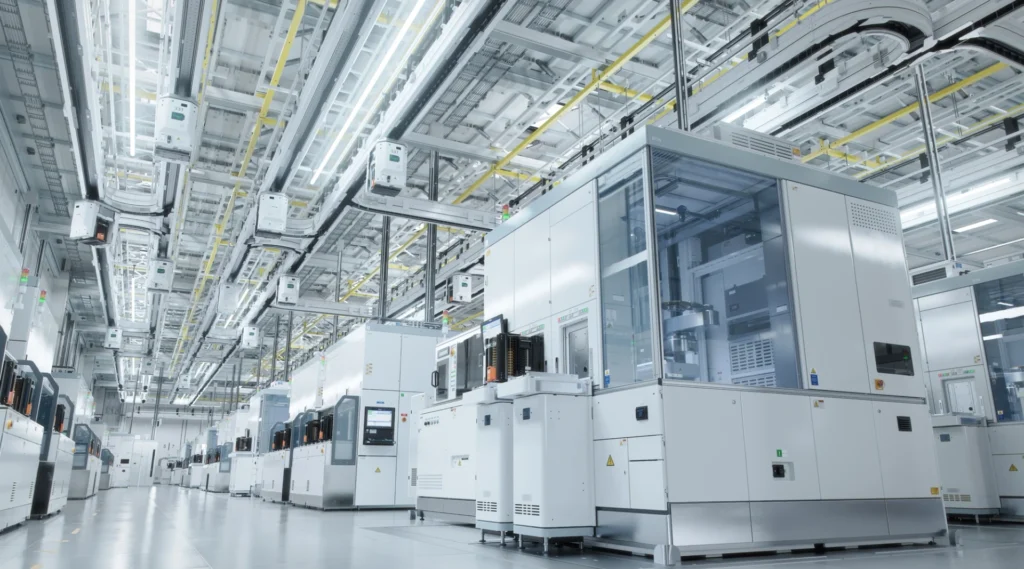
Key Technologies Behind AI-Driven Inspections
Several technological advancements have enabled the rise of structural integrity assessment using AI. Among the most impactful are:
- Deep learning: Neural networks trained on vast image datasets can recognize patterns and anomalies that may indicate structural issues. For a deeper dive into the impact of deep learning on inspection, see this overview of deep learning’s role in advancing visual inspection.
- Vision transformers: These next-generation AI models excel at processing complex visual data, making them ideal for analyzing images from drones, cameras, or robots. Learn more about their industrial applications in vision transformers for industrial use.
- Sensor fusion: AI systems can combine data from multiple sensors—such as accelerometers, strain gauges, and thermal cameras—to provide a holistic view of structural health.
- Anomaly detection algorithms: These algorithms automatically flag unusual patterns or deviations from baseline conditions, enabling early intervention.
Applications Across Industries
The benefits of AI-based structural assessment extend to a wide range of sectors:
- Construction: AI helps monitor the integrity of buildings, bridges, and tunnels, identifying risks before they escalate.
- Manufacturing: Factories use AI to inspect equipment, pipelines, and support structures, minimizing unplanned downtime.
- Energy: Power plants and wind farms leverage AI to track the condition of towers, turbines, and transmission lines.
- Transportation: Railways and airports deploy AI for regular inspection of tracks, runways, and supporting infrastructure.
In all these cases, the ability to process large volumes of data quickly and accurately is a game-changer for safety and operational efficiency.
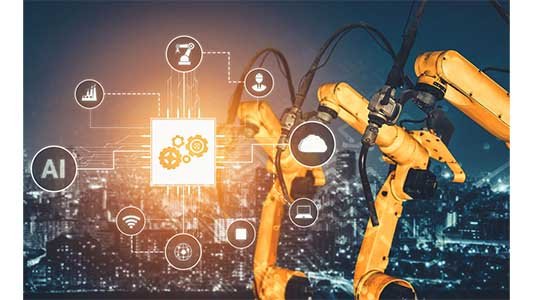
Challenges and Considerations in AI-Based Structural Evaluations
While the promise of AI-driven integrity assessments is significant, several challenges must be addressed to ensure reliable results:
- Data quality and availability: AI models require large, diverse, and accurately labeled datasets for training. In many cases, data scarcity can limit performance. For strategies to address this, see overcoming data scarcity in inspection.
- Model retraining: As structures age or environmental conditions change, AI models may need regular updates. Implementing robust retraining strategies for ai inspection helps maintain accuracy over time.
- Interpretability: Engineers must be able to understand and trust AI-generated results. Transparent algorithms and clear reporting are essential.
- Integration with existing workflows: Successful adoption requires seamless integration with current inspection and maintenance processes.
- Regulatory compliance: Meeting industry standards and safety regulations is critical, especially in sectors like transportation and energy.
Best Practices for Implementing AI in Structural Safety
To maximize the benefits of AI-based structural integrity assessment, organizations should consider the following best practices:
- Start with pilot projects: Test AI solutions on a small scale to validate performance and identify potential issues.
- Invest in high-quality data: Collect comprehensive datasets, including images, sensor readings, and historical inspection records.
- Collaborate with domain experts: Combine AI expertise with the knowledge of engineers and inspectors for effective model development and validation.
- Prioritize explainability: Choose AI tools that provide clear, interpretable results to support decision-making.
- Plan for ongoing improvement: Regularly update and retrain models as new data becomes available or as structures evolve.
Additionally, organizations can benefit from exploring small dataset training for ai inspection to improve efficiency when data is limited.
Future Trends in AI-Enabled Structural Monitoring
The field of structural integrity assessment using AI continues to evolve rapidly. Some emerging trends to watch include:
- Autonomous drones and robots: These platforms, equipped with AI-powered cameras and sensors, can access hard-to-reach areas and perform inspections with minimal human intervention.
- Edge computing: Processing data locally on devices enables real-time analysis and faster response times, even in remote locations.
- Integration with digital twins: AI-driven assessments can feed into digital twin models, providing a dynamic, real-time representation of structural health.
- Enhanced traceability: Combining AI with advanced tracking systems improves transparency and accountability throughout the asset lifecycle. For more on this, see traceability in ai-driven manufacturing.
These innovations promise to further improve safety, reduce costs, and extend the lifespan of critical infrastructure.
FAQ
How does AI improve the accuracy of structural inspections?
AI systems can analyze large volumes of data from various sources, such as images and sensors, to detect subtle defects that might be missed by human inspectors. By learning from historical data and continuously updating their models, AI tools provide more consistent and objective assessments, reducing the risk of oversight and human error.
What types of structures can benefit from AI-based integrity assessment?
AI-driven evaluation methods are applicable to a wide range of structures, including buildings, bridges, tunnels, pipelines, wind turbines, and industrial equipment. Any asset that requires regular safety inspections can benefit from the enhanced detection and predictive capabilities of AI.
Is it difficult to integrate AI inspection tools with existing maintenance workflows?
While integration requires planning and collaboration, many modern AI solutions are designed to work alongside traditional inspection processes. By providing clear, actionable insights and supporting data-driven decision-making, AI tools can enhance existing workflows without causing major disruptions.