

In today’s competitive manufacturing landscape, optimizing production speed and quality is more critical than ever. Companies are constantly searching for ways to improve assembly line efficiency to reduce costs, minimize waste, and deliver products faster. Whether you operate a small facility or a large-scale plant, even incremental improvements can have a significant impact on your bottom line.
This article explores practical strategies to streamline workflows, leverage technology, and empower your workforce for rapid gains in productivity. We’ll also highlight how data-driven approaches and continuous improvement can create lasting results.
For manufacturers looking to stay ahead, adopting new technologies and refining processes is essential. If your facility is exploring advanced inspection methods, you may find value in learning about retraining strategies for AI inspection to keep automated systems performing at their best.
Assessing Current Bottlenecks and Waste
The first step toward boosting productivity is to analyze your existing operations. Identify where slowdowns occur, whether due to equipment downtime, material shortages, or inefficient workflows. Use data from production logs, employee feedback, and direct observation to pinpoint recurring issues.
- Map the workflow: Visualize every step from raw material intake to finished product. Look for unnecessary movements, excessive handling, or redundant checks.
- Track downtime: Record the frequency and duration of machine stoppages. Determine if maintenance, supply chain delays, or operator errors are the root causes.
- Measure waste: Quantify scrap, rework, and defects. High rates may indicate problems with training, equipment calibration, or process design.
By systematically evaluating these areas, you can prioritize which changes will deliver the fastest returns.
Implementing Lean Manufacturing Principles
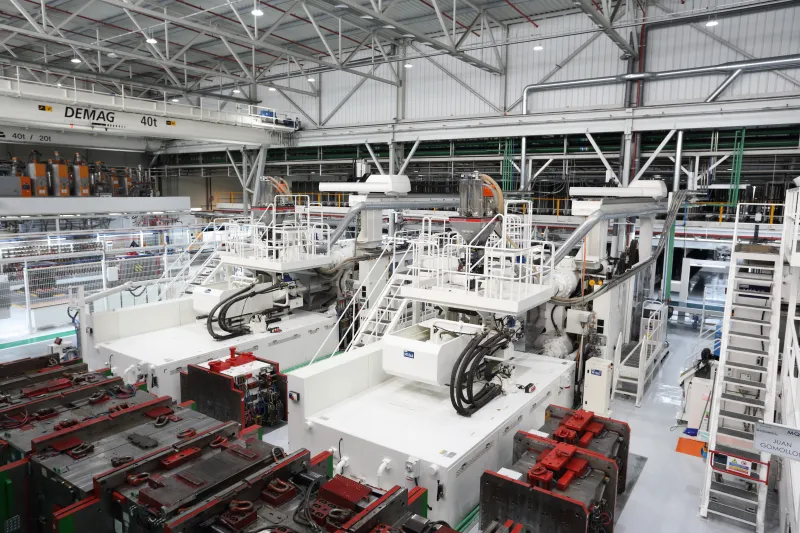
Lean manufacturing is a proven approach to eliminating waste and maximizing value. By applying its core principles, you can quickly streamline your assembly line:
- Standardize work processes: Develop clear, repeatable procedures for each task. Standardization reduces errors and makes it easier to train new employees.
- Adopt 5S methodology: Sort, Set in order, Shine, Standardize, and Sustain. Keeping workstations organized improves safety and reduces time spent searching for tools or materials.
- Continuous improvement (Kaizen): Encourage employees to suggest small, daily improvements. Even minor tweaks can add up to significant efficiency gains over time.
- Just-in-time inventory: Reduce excess stock by aligning material deliveries with production schedules. This minimizes storage needs and lowers the risk of obsolescence.
These methods help create a culture of efficiency and accountability throughout your organization.
Leveraging Technology for Faster Results
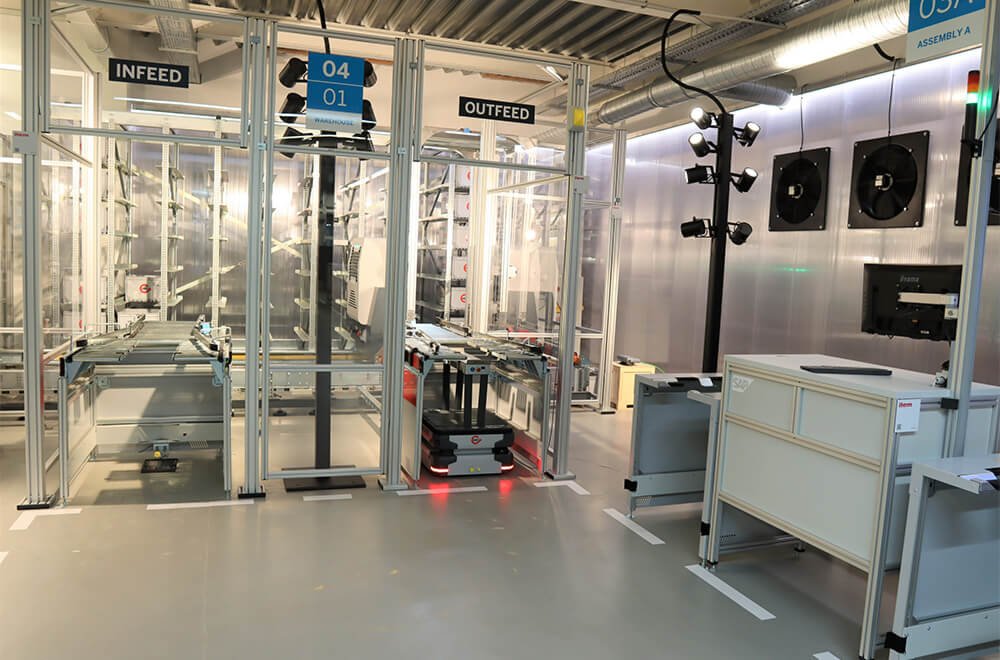
Modern manufacturing technologies offer powerful tools for increasing output and reducing errors. Here are some options to consider:
- Automated inspection systems: Machine vision and AI-powered quality control can catch defects earlier and more accurately than manual checks. For advanced solutions, explore resources on vision transformers for industrial use.
- Real-time data monitoring: Use sensors and software to track production metrics as they happen. Immediate feedback allows for quick adjustments and prevents small issues from escalating.
- Collaborative robots (cobots): These flexible machines can work alongside humans to handle repetitive or ergonomically challenging tasks, freeing up staff for higher-value activities.
- Digital work instructions: Tablets or smart displays at each station ensure operators always have the latest procedures, reducing confusion and mistakes.
Empowering and Training Your Workforce
Even the best equipment and processes require skilled, motivated people to operate them. Investing in your team can yield rapid improvements:
- Cross-training: Equip employees to handle multiple roles. This increases flexibility and reduces downtime when someone is absent.
- Clear communication: Hold regular briefings to share goals, progress, and challenges. Open dialogue helps surface issues before they become major problems.
- Recognition and incentives: Celebrate achievements in productivity, quality, or safety. Positive reinforcement encourages ongoing engagement.
- Upskilling for new technologies: As automation and AI become more prevalent, provide training so staff can work confidently with new systems. For facilities working with limited data, consider best practices in small dataset training for AI inspection.
Data-Driven Decision Making
Making informed choices is easier when you have accurate, timely data. By collecting and analyzing key performance indicators (KPIs), you can spot trends, measure the impact of changes, and set realistic targets.
- Track cycle times: Monitor how long each step takes and identify outliers.
- Analyze defect rates: Determine if certain shifts, machines, or materials are linked to higher error rates.
- Monitor equipment utilization: Ensure machines are running at optimal capacity without unnecessary idling.
For more insights on using data to optimize production, see this step-by-step guide to improving manufacturing efficiency.
Maintaining Quality While Increasing Speed
It’s vital to balance faster output with consistent product quality. Rushing processes without proper controls can lead to costly rework or customer complaints. To maintain standards:
- Implement robust inspection routines: Use a mix of automated and manual checks at critical points.
- Document and trace defects: Quickly identify root causes and prevent recurrence. For those interested in tracking materials and components, learn more about traceability in AI-driven manufacturing.
- Empower employees to halt production: Give workers the authority to stop the line if they spot a problem, preventing defective products from moving downstream.
Continuous Improvement and Future-Proofing
Efficiency is not a one-time achievement but an ongoing journey. Regularly review your processes, solicit feedback, and stay informed about new technologies and methods. Consider these steps for sustained progress:
- Schedule regular audits: Periodically assess workflows, equipment, and training needs.
- Benchmark against industry standards: Compare your performance to peers to identify areas for improvement.
- Stay agile: Be ready to adapt as market demands, regulations, or technologies evolve.
Embracing a mindset of continuous improvement ensures your facility remains competitive and resilient.
FAQ
What are the quickest ways to boost assembly line output?
Some of the fastest methods include reorganizing workstations using 5S principles, standardizing tasks, and addressing obvious bottlenecks. Introducing real-time monitoring and empowering employees to make on-the-spot improvements can also deliver rapid results.
How can technology help increase efficiency on the production floor?
Technologies such as automated inspection, collaborative robots, and digital work instructions reduce manual errors, speed up repetitive tasks, and provide instant feedback. These tools enable faster decision-making and higher consistency.
Is it possible to improve efficiency without large investments?
Yes, many improvements—like better organization, clearer communication, and employee cross-training—require little or no capital. Focusing on process optimization and leveraging existing resources can yield significant gains before investing in new equipment.