
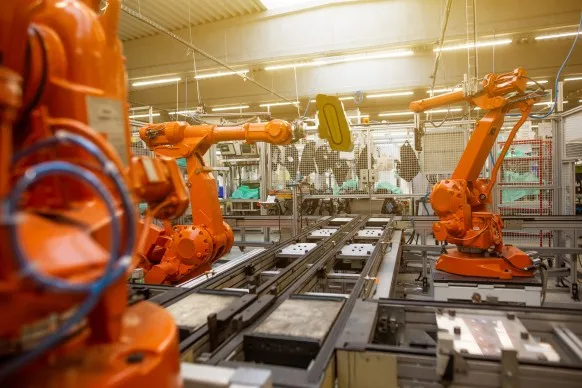
Boosting productivity and minimizing waste on the shop floor is a top priority for manufacturers aiming to stay competitive. Whether you manage a large-scale facility or a smaller operation, finding ways to improve shop floor efficiency can deliver immediate and long-term benefits. From reducing downtime to streamlining workflows, practical changes can help teams achieve more with less effort and cost.
In this article, you’ll discover proven strategies for optimizing your production environment, leveraging technology, and empowering your workforce. We’ll also highlight how modern approaches—such as data-driven decision-making and continuous improvement—can make a measurable difference. For those interested in advanced solutions, exploring retraining strategies for AI inspection can further enhance quality control and operational agility.
Identifying Bottlenecks and Eliminating Waste
The first step toward a more productive shop floor is to pinpoint where time, resources, or materials are being lost. Bottlenecks can occur at any stage of the manufacturing process, from material handling to final assembly. By mapping workflows and tracking key performance indicators, managers can quickly identify areas that need attention.
- Observe daily operations: Spend time on the floor to see where delays or repetitive tasks occur.
- Collect data: Use digital tools or simple checklists to log downtime, scrap rates, and rework.
- Apply lean principles: Techniques like 5S, value stream mapping, and Kaizen help eliminate unnecessary steps and standardize best practices.
By systematically removing obstacles and unnecessary activities, teams can focus on value-added work, leading to faster throughput and higher quality.
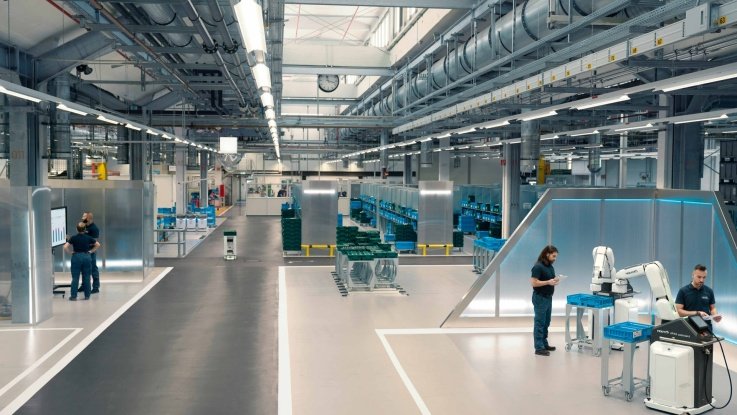
Leveraging Technology for Greater Productivity
Modern manufacturing environments benefit greatly from digital transformation. Implementing the right technology can provide real-time visibility, automate repetitive tasks, and support data-driven decisions. Here are some effective approaches:
- Manufacturing Execution Systems (MES): These platforms track production in real time, helping managers allocate resources and respond to issues quickly.
- Automated inspection and robotics: Integrating smart sensors and robotics can reduce manual errors and speed up repetitive operations. For those interested in next-generation solutions, consider learning about vision transformers for industrial use to further enhance automation and visual inspection accuracy.
- Digital dashboards: Visual management tools display key metrics, making it easier for teams to spot trends and react to changes.
By embracing these technologies, manufacturers can streamline processes, reduce downtime, and empower employees with actionable insights.
Empowering Employees and Fostering a Culture of Improvement
People are at the heart of any successful production environment. Investing in workforce training, clear communication, and employee engagement can unlock new levels of efficiency. Some practical steps include:
- Cross-training: Equip team members with multiple skills to improve flexibility and reduce the impact of absences.
- Open feedback channels: Encourage operators to share ideas for process improvements or flag recurring issues.
- Recognition and incentives: Reward teams for meeting or exceeding efficiency targets to motivate ongoing effort.
A culture that values continuous improvement not only boosts morale but also leads to sustainable gains in productivity.
Streamlining Material Flow and Inventory Management
Efficient material handling is essential for smooth operations. Poorly organized inventory or delays in material delivery can quickly disrupt schedules and increase costs. Here are some strategies to optimize material flow:
- Just-in-time (JIT) inventory: Reduce excess stock and minimize storage needs by synchronizing deliveries with production schedules.
- Kanban systems: Visual cues help signal when materials need replenishing, preventing shortages or overstock.
- Layout optimization: Arrange workstations and storage areas to minimize unnecessary movement and handling.
These approaches help maintain a steady workflow, reduce waste, and support faster order fulfillment.

Data-Driven Decision Making for Shop Floor Optimization
Making informed choices based on accurate data is a cornerstone of operational excellence. Collecting and analyzing production metrics allows managers to spot inefficiencies, predict maintenance needs, and set realistic targets. Some best practices include:
- Regular performance reviews: Analyze output, downtime, and quality data to identify trends and set improvement goals.
- Root cause analysis: When issues arise, dig deeper to uncover underlying problems rather than treating symptoms.
- Continuous monitoring: Use sensors and IoT devices to track machine health and prevent unexpected breakdowns.
For organizations dealing with limited data, exploring small dataset training for AI inspection can help maximize the value of available information and support smarter decision-making.
Quality Control and Traceability as Efficiency Drivers
Maintaining high standards of quality is closely linked to operational efficiency. Defects and rework not only waste time and materials but also disrupt schedules. Implementing robust quality control measures and traceability systems can prevent problems before they escalate.
- In-line inspection: Catch defects early by integrating inspection steps throughout the production process.
- Traceability systems: Track materials and components from raw input to finished goods. To learn more, see this resource on traceability in AI-driven manufacturing.
- Standardized procedures: Document and enforce best practices to ensure consistency and reduce errors.
These efforts not only safeguard product quality but also contribute to smoother, more predictable operations.
Learning from Industry Leaders and Best Practices
Staying informed about industry trends and proven methods can inspire new ideas for boosting shop floor performance. Many manufacturers share their experiences and insights, making it easier to benchmark your own processes. For a deeper dive into practical improvements, review this comprehensive guide to improving productivity and efficiency in manufacturing.
By adopting a mindset of continuous learning and adaptation, organizations can remain agile and responsive to changing demands.
FAQ: Shop Floor Efficiency
What are the most effective ways to reduce downtime on the shop floor?
Focus on preventive maintenance, real-time monitoring, and clear communication between shifts. Implementing digital tools that alert teams to potential issues before they cause stoppages is also highly effective.
How can technology help improve shop floor productivity?
Technology such as manufacturing execution systems, automation, and IoT sensors provides real-time data, streamlines workflows, and reduces manual errors. These tools enable faster decision-making and support continuous improvement.
Why is employee engagement important for operational efficiency?
Engaged employees are more likely to identify inefficiencies, suggest improvements, and take ownership of their work. Investing in training and fostering open communication creates a culture where everyone contributes to better results.