
As artificial intelligence becomes increasingly central to quality control and inspection processes, the need for transparency and trust in automated decisions is more important than ever. Manufacturers and quality engineers are asking: what is explainable AI in inspection, and how can it help ensure reliable, understandable results? This article explores the concept, its significance, and how it’s shaping the future of industrial inspection.
The adoption of AI-driven inspection systems is accelerating, but without clear explanations for their outputs, stakeholders may hesitate to fully trust or act on the results. By focusing on explainability, organizations can bridge the gap between advanced automation and human oversight, making it easier to validate, audit, and improve inspection outcomes.
For those interested in practical strategies to enhance AI-based quality control, our guide on how to reduce false rejects with AI offers actionable insights into minimizing errors and improving trust in automated inspection systems.
Understanding Explainable AI in Industrial Inspection
In the context of manufacturing and quality assurance, explainable AI refers to artificial intelligence models and systems that provide clear, understandable reasons for their decisions. Rather than functioning as a “black box,” these systems make it possible for users to see why a part was flagged as defective, or how a specific measurement was evaluated.
The goal is to make AI-powered inspection tools more transparent, so engineers, operators, and auditors can interpret, trust, and act on the results with confidence. This is especially crucial in regulated industries or high-stakes environments, where every decision must be justified and traceable.
Why Transparency Matters in Automated Quality Control
Trust is at the core of any inspection process. When AI is used to automate defect detection or measurement, stakeholders need to know that the system’s conclusions are reliable and can be explained. Without transparency, it’s difficult to identify the root cause of errors, improve processes, or comply with industry standards.
Explainable AI in inspection enables:
- Root cause analysis: By understanding why a part failed inspection, teams can address underlying issues more effectively.
- Regulatory compliance: Many industries require traceable, auditable records of inspection decisions.
- Continuous improvement: Clear explanations help engineers refine algorithms and inspection criteria over time.
- Human-AI collaboration: Operators can confidently intervene or override AI decisions when explanations are available.
Key Techniques for Explainability in AI-Based Inspection
There are several methods used to make AI-driven inspection systems more interpretable:
- Visual heatmaps: Highlighting areas of an image that influenced the AI’s decision, helping users see what the model “noticed.”
- Feature importance scores: Showing which measurements or characteristics were most influential in the result.
- Rule extraction: Translating complex model logic into human-readable rules or decision trees.
- Example-based explanations: Providing similar past cases to illustrate why a decision was made.
These techniques help bridge the gap between advanced algorithms and the practical needs of manufacturing teams.
Benefits of Explainable AI for Inspection Workflows
Adopting explainable AI in inspection brings several advantages:
- Increased trust: Teams are more likely to rely on automated systems when they understand how decisions are made.
- Faster troubleshooting: When issues arise, clear explanations speed up diagnosis and resolution.
- Enhanced training: New operators can learn from AI explanations, improving onboarding and skill development.
- Better stakeholder communication: Transparent results make it easier to report to management, customers, or regulators.
For a broader look at how digital transformation is impacting quality control, see our overview of smart factory quality control trends shaping the industry.
Challenges and Limitations of Explainability
While explainable AI offers many benefits, there are also challenges to consider:
- Complexity vs. clarity: Highly accurate models may be harder to interpret, while simpler models are easier to explain but may sacrifice performance.
- Data privacy: Some explanation methods require sharing sensitive production data.
- Technical expertise: Interpreting AI explanations may require additional training for operators and engineers.
- Standardization: The field is still evolving, and best practices for explainability are not yet fully established.
Real-World Applications and Industry Examples
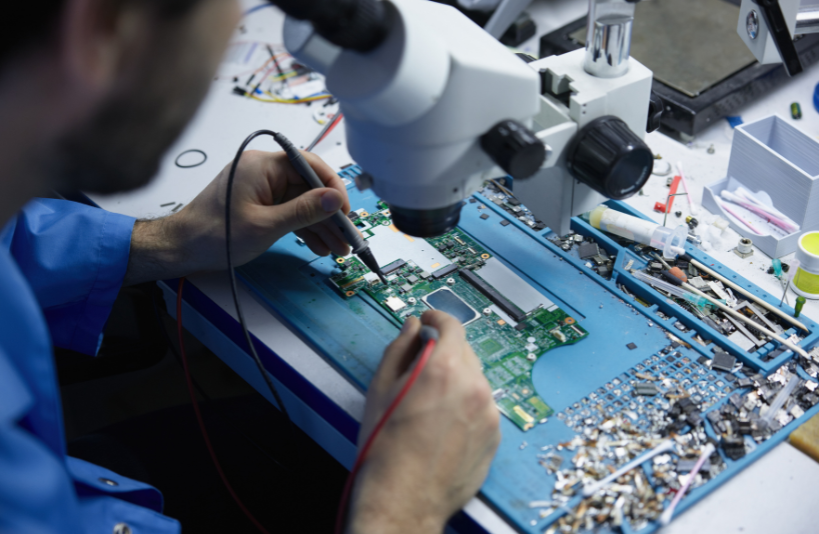
Explainable AI is already making a difference in sectors such as automotive, electronics, and pharmaceuticals. For instance, in visual inspection of circuit boards, heatmaps can show which solder joints triggered a defect flag. In pharmaceutical packaging, feature importance scores can clarify why a label was marked as misaligned.
According to industry insights on AI quality control in manufacturing, organizations that prioritize explainability see faster adoption and greater ROI from their AI investments.
Integrating Explainable AI with Smart Factory Initiatives
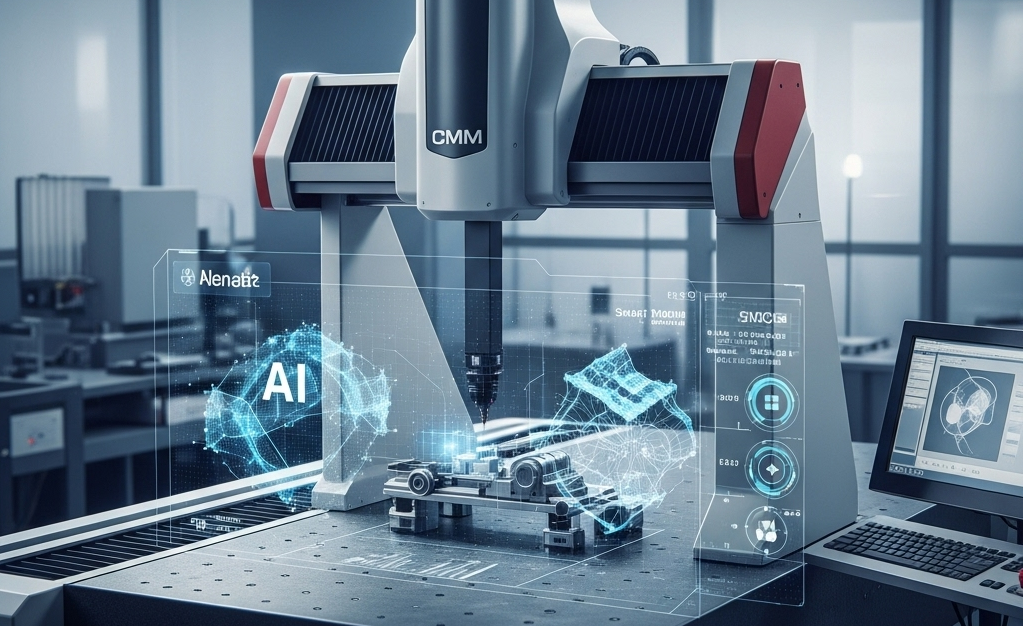
As factories become more connected and data-driven, integrating explainable AI with IoT and predictive analytics unlocks new possibilities. Transparent inspection systems can feed actionable insights into broader quality management platforms, supporting real-time decision-making and continuous improvement.
To learn more about how connected systems are transforming inspection, explore our article on IoT integration in inspection processes for smart factories.
Best Practices for Deploying Explainable AI in Inspection
- Start with clear objectives: Define what needs to be explained and who the explanations are for.
- Choose the right models: Balance accuracy with interpretability based on your use case.
- Involve stakeholders: Engage operators, engineers, and auditors early to ensure explanations are useful and actionable.
- Monitor and refine: Continuously review explanations and update models as processes evolve.
For organizations comparing different inspection strategies, our discussion of predictive maintenance vs reactive inspection highlights how explainable AI can support both proactive and reactive quality management.
FAQ
How does explainable AI differ from traditional AI in inspection?
Traditional AI systems often provide results without context, making it difficult to understand the reasoning behind decisions. Explainable AI, on the other hand, offers clear, human-readable explanations for its outputs, allowing users to see why a part was accepted or rejected and increasing trust in automated inspection.
What are some common methods for making AI inspection systems more transparent?
Common techniques include visual heatmaps, feature importance rankings, rule extraction, and example-based explanations. These methods help users understand which data points or image regions influenced the AI’s decision, making the process more transparent and auditable.
Why is explainability important for regulatory compliance in manufacturing?
Many industries require traceable, auditable records of quality control decisions. Explainable AI ensures that every automated decision can be justified and reviewed, supporting compliance with industry standards and making it easier to pass audits or resolve disputes.
Can explainable AI help reduce false rejects in automated inspection?
Yes, by providing clear reasons for each decision, explainable AI allows engineers to identify and correct sources of false rejects, improving overall accuracy and efficiency in inspection processes.
Conclusion
As AI becomes a cornerstone of modern inspection, explainability is no longer optional—it’s essential for building trust, ensuring compliance, and unlocking the full value of automation. By prioritizing transparency and interpretability, manufacturers can confidently embrace AI-powered quality control, knowing that every decision is both accurate and understandable.
For further reading on advanced quality control topics, consider our resource on what is anomaly detection in manufacturing to see how AI is detecting subtle defects and improving product quality.